




Boost testosterone naturally for better energy & focus?

The Connection Between Testosterone, Energy, and Focus
Testosterone, often associated with muscle mass and sex drive, plays a far more extensive role in overall health, particularly for men. Optimal testosterone levels are crucial for maintaining energy, cognitive function, mood stability, bone density, and cardiovascular health. When testosterone levels dip, common symptoms include fatigue, decreased mental sharpness, difficulty concentrating, low motivation, and reduced physical stamina. The good news is that many lifestyle factors can naturally influence your body’s testosterone production.
Dietary Power: Fueling Your Hormones
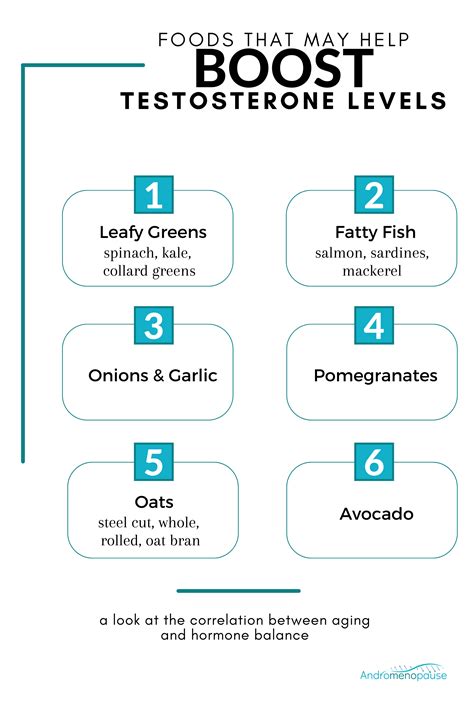
What you eat directly impacts your hormone balance. A diet rich in whole foods and essential nutrients is fundamental for natural testosterone production. Focus on:
- Healthy Fats: Monounsaturated and saturated fats (in moderation) are critical building blocks for testosterone. Think avocados, olive oil, nuts, and grass-fed dairy.
- Protein: Adequate protein intake supports muscle growth and hormone synthesis. Include lean meats, fish, eggs, and legumes.
- Micronutrients: Zinc (oysters, beef, pumpkin seeds) and Vitamin D (fatty fish, fortified foods, sunlight) are particularly important. Magnesium (leafy greens, nuts) also plays a role.
- Limit Processed Foods: Sugary drinks, refined carbs, and processed fats can lead to inflammation and insulin resistance, negatively impacting hormone levels.

Exercise Smart, Not Just Hard
Regular physical activity is one of the most effective natural testosterone boosters. However, the type of exercise matters:
- Resistance Training: Lifting weights or bodyweight exercises (squats, deadlifts, bench presses) are excellent for stimulating testosterone release. Focus on compound movements that engage multiple muscle groups.
- High-Intensity Interval Training (HIIT): Short bursts of intense exercise followed by brief recovery periods have been shown to increase testosterone.
- Avoid Overtraining: Chronic, excessive endurance training can sometimes have the opposite effect, increasing cortisol (the stress hormone) and potentially lowering testosterone. Find a balance.

Prioritize Quality Sleep
Sleep deprivation is a silent enemy of hormone health. Most of your body’s daily testosterone production occurs during sleep. Aim for 7-9 hours of high-quality, uninterrupted sleep per night. Establish a consistent sleep schedule, create a dark and cool sleep environment, and limit screen time before bed to optimize your body’s natural restorative processes.

Manage Stress Effectively
Chronic stress leads to elevated cortisol levels. Cortisol and testosterone have an inverse relationship; as cortisol rises, testosterone tends to fall. Incorporate stress-reduction techniques into your daily routine:
- Meditation or mindfulness
- Deep breathing exercises
- Yoga or Tai Chi
- Spending time in nature
- Engaging in hobbies you enjoy
Other Important Lifestyle Factors
- Maintain a Healthy Weight: Excess body fat, particularly around the midsection, can convert testosterone into estrogen, lowering overall testosterone levels.
- Limit Alcohol Consumption: Excessive alcohol intake can interfere with testosterone production and increase its conversion to estrogen.
- Avoid Endocrine Disruptors: Be mindful of chemicals found in plastics (BPA), certain pesticides, and personal care products that can mimic hormones and disrupt endocrine function.

Conclusion: A Holistic Approach for Lasting Results
Boosting testosterone naturally is not about a quick fix, but rather a holistic commitment to a healthier lifestyle. By consistently focusing on a nutrient-rich diet, effective exercise, sufficient sleep, and stress management, you can significantly enhance your body’s natural ability to produce testosterone. The reward? Not just improved energy and focus, but also better mood, increased vitality, and an overall enhanced quality of life. Consult with a healthcare professional before making significant lifestyle changes, especially if you suspect you have clinically low testosterone levels.