




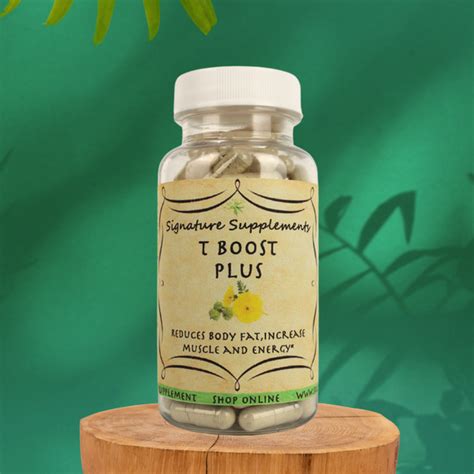
Boost T naturally for peak performance?
The Vital Role of Testosterone for Men
Testosterone, often referred to as the primary male sex hormone, plays a critical role in far more than just libido. It’s instrumental in maintaining muscle mass and strength, bone density, red blood cell production, fat distribution, energy levels, mood regulation, and cognitive function. As men age, testosterone levels naturally begin to decline, often leading to symptoms like reduced energy, decreased muscle mass, increased body fat, and a dip in mood or concentration. The good news is that many natural, lifestyle-based strategies can significantly help optimize and boost your body’s T production, paving the way for peak performance in all aspects of life.
Diet: Fueling Your Hormones Naturally
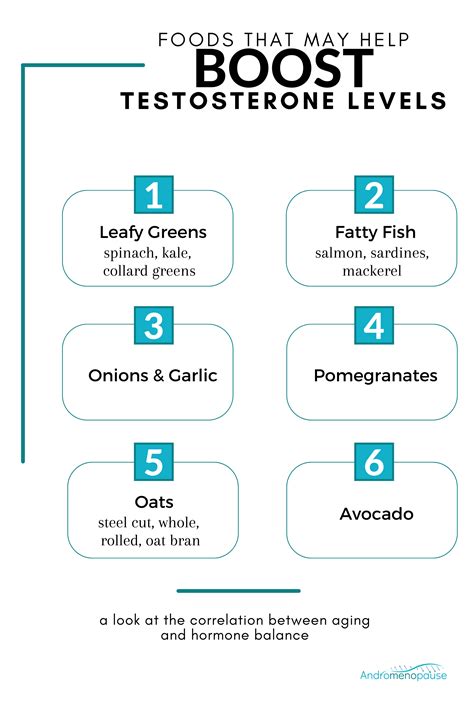
What you eat directly impacts your hormonal balance. To support healthy testosterone levels, focus on a diet rich in whole, unprocessed foods. Incorporate plenty of healthy fats found in avocados, nuts, seeds, and olive oil, as cholesterol is a precursor to testosterone. Adequate protein from lean meats, fish, eggs, and legumes is essential for muscle maintenance and overall hormone synthesis. Don’t forget micronutrients; zinc (found in oysters, beef, and pumpkin seeds) and Vitamin D (from fatty fish, fortified foods, and sunlight exposure) are particularly crucial for testosterone production. Simultaneously, minimize processed foods, excessive sugars, and trans fats, which can negatively impact hormonal health and lead to inflammation.

Exercise: The Ultimate T-Booster
Physical activity, especially certain types of exercise, is a powerful natural stimulator of testosterone. Strength training, particularly involving compound movements like squats, deadlifts, bench presses, and rows, has been shown to elicit a significant acute and chronic increase in testosterone. High-Intensity Interval Training (HIIT) can also be highly effective. The key is to challenge your muscles sufficiently. While regular exercise is beneficial, avoid excessive endurance training (marathon running, for example), which can sometimes lead to an inverse effect on T levels due to increased cortisol (stress hormone).

Sleep & Stress Management: Unsung Heroes of Hormone Health
Often overlooked, sufficient high-quality sleep is fundamental for testosterone production. Most of your body’s T is produced during deep sleep phases. Aim for 7-9 hours of uninterrupted sleep per night. Chronic stress, on the other hand, is a major enemy of testosterone. When stressed, your body releases cortisol, which directly inhibits testosterone synthesis. Implementing stress-reduction techniques such as meditation, deep breathing exercises, yoga, or simply spending time in nature can make a profound difference in balancing your hormones and boosting T naturally.

Lifestyle Factors & Environmental Considerations
Beyond diet, exercise, and sleep, several other lifestyle choices contribute to optimal testosterone levels. Maintaining a healthy body weight is crucial, as excess body fat, especially around the abdomen, can convert testosterone into estrogen. Limiting alcohol intake, avoiding smoking, and minimizing exposure to endocrine-disrupting chemicals found in certain plastics and pesticides can also protect your hormonal health. Furthermore, getting regular, safe sunlight exposure helps your body synthesize Vitamin D, which is directly linked to testosterone production.

Embrace a Holistic Approach for Sustainable Results
Boosting testosterone naturally isn’t about a single fix; it’s about adopting a holistic approach to health and well-being. By consistently integrating a nutrient-dense diet, effective exercise, restorative sleep, and mindful stress management into your daily routine, you can create an optimal environment for your body to produce and maintain healthy testosterone levels. This comprehensive strategy not only supports hormonal balance but also contributes to enhanced energy, improved strength, better mood, and overall vitality, helping you achieve peak performance in every facet of your life. If you suspect significantly low T or have underlying health concerns, consulting a healthcare professional is always recommended.