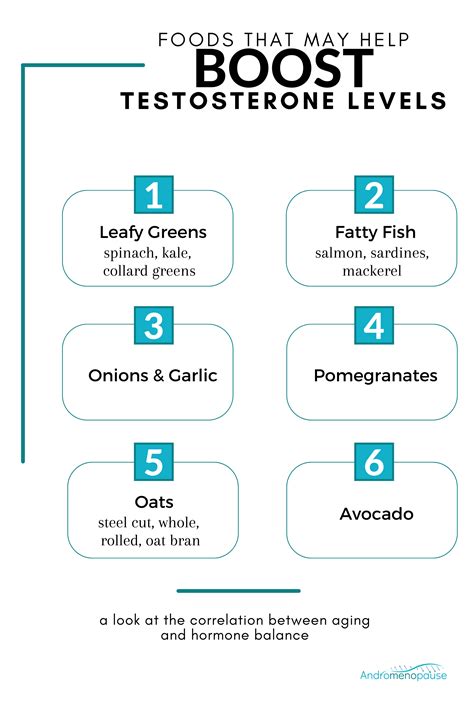





Boost natural testosterone for peak energy & athletic performance?
Unlocking Your Potential: The Vital Role of Natural Testosterone
Testosterone, often hailed as the cornerstone of male vitality, is far more than just a sex hormone. It’s a critical driver of energy levels, mood stability, bone density, and, crucially, athletic performance and muscle development. As men age, or due to various lifestyle factors, natural testosterone levels can decline, leading to a cascade of undesirable symptoms from fatigue and reduced libido to decreased strength and difficulty building muscle. The good news? You can proactively support and optimize your body’s own testosterone production through natural, sustainable strategies.

The Powerhouse Hormone: Understanding Testosterone’s Impact
Understanding testosterone’s multifaceted role is the first step towards harnessing its benefits. This powerful androgen contributes significantly to red blood cell production, fat distribution, and maintaining overall physical and mental vigor. For athletes and active individuals, optimal testosterone levels translate directly into enhanced endurance, faster recovery times, increased muscle protein synthesis, and greater strength gains. Low testosterone, conversely, can sabotage your training efforts, leaving you feeling sluggish, weak, and unmotivated.
Beyond the gym, healthy testosterone levels are intrinsically linked to a sense of well-being, mental clarity, and consistent energy throughout the day. When this hormone is balanced, you’re more likely to experience improved sleep quality, better mood regulation, and a stronger drive to tackle daily challenges.

Natural Strategies to Elevate Your Testosterone
While synthetic options exist, the most effective and sustainable path to optimizing testosterone often lies in adopting a holistic lifestyle approach. Here are key pillars:
Optimize Your Diet
Nutrition plays a foundational role. Focus on a balanced diet rich in whole foods. Healthy fats are crucial for hormone production, so include sources like avocados, nuts, seeds, and olive oil. Adequate protein intake supports muscle maintenance and growth, which in turn can positively influence testosterone. Don’t shy away from complex carbohydrates for energy. Crucially, ensure you’re getting enough micronutrients:
- Zinc: Found in red meat, shellfish, legumes, and nuts. Critical for testosterone synthesis.
- Vitamin D: Often called the “sunshine vitamin,” it acts like a steroid hormone in the body. Get regular sun exposure and consider fortified foods or supplementation, especially if you live in northern latitudes.
- Magnesium: Abundant in leafy greens, nuts, seeds, and whole grains. Involved in over 300 enzymatic reactions, including those related to hormone health.

Embrace Smart Exercise
Not all exercise is created equal when it comes to boosting testosterone. High-intensity resistance training, focusing on compound movements like squats, deadlifts, bench presses, and rows, has been shown to be particularly effective. Short, intense bursts of exercise, like High-Intensity Interval Training (HIIT), can also provide a significant boost. However, avoid chronic overtraining, which can paradoxically suppress testosterone levels due to increased cortisol (the stress hormone).

Prioritize Quality Sleep
Sleep deprivation is a major enemy of testosterone production. Most of your body’s daily testosterone is produced during sleep, particularly during deep REM cycles. Aim for 7-9 hours of high-quality, uninterrupted sleep per night. Establish a consistent sleep schedule, create a dark and cool bedroom environment, and avoid screens before bed to optimize your sleep hygiene.

Manage Stress Effectively
Chronic stress leads to elevated cortisol levels. Cortisol and testosterone have an inverse relationship; as cortisol rises, testosterone tends to fall. Incorporate stress-reducing practices into your daily routine, such as meditation, yoga, deep breathing exercises, spending time in nature, or engaging in hobbies you enjoy.
Consider Key Supplements (with caution)
While a whole-food diet is primary, certain supplements can complement your efforts if deficiencies exist: Vitamin D, Zinc, and Magnesium were already mentioned. Herbal adaptogens like Ashwagandha have also shown promise in some studies for reducing stress and supporting testosterone levels. Always consult a healthcare professional before starting any new supplement regimen.
Beyond the Boost: A Holistic Approach
Boosting natural testosterone isn’t about quick fixes; it’s about cultivating a sustainable, healthy lifestyle. Each of these pillars — diet, exercise, sleep, and stress management — works synergistically. Neglecting one can undermine the efforts you put into another. Consistency and patience are key, as hormonal changes take time.
Empowering Your Natural Vitality
By consciously adopting these natural strategies, you’re not just aiming for higher testosterone numbers; you’re investing in a more energized, resilient, and high-performing version of yourself. Experience improved athletic performance, greater mental clarity, sustained energy, and an overall enhanced quality of life. It’s time to take control of your hormonal health and unlock your full potential.