




Beyond T-boosters, how do men optimize natural testosterone for peak performance?

In the quest for enhanced vitality, strength, and overall well-being, many men turn their attention to testosterone. While the market is flooded with “T-boosters” promising quick fixes, a more sustainable and profound path lies in optimizing the body’s natural testosterone production. This approach not only supports hormonal balance but also promotes holistic health and peak performance without relying on external supplements.
The Foundation: Understanding Natural Testosterone
Testosterone, the primary male sex hormone, plays a crucial role in muscle mass, bone density, red blood cell production, libido, mood, and energy levels. Its optimal production is influenced by a complex interplay of lifestyle factors, diet, and overall health. Rather than seeking synthetic solutions, understanding how to support your body’s innate capabilities is key.

Nutrition as a Pillar: Fueling Hormonal Health
What you eat directly impacts hormone synthesis. A balanced diet rich in micronutrients is essential for testosterone production. Focus on:
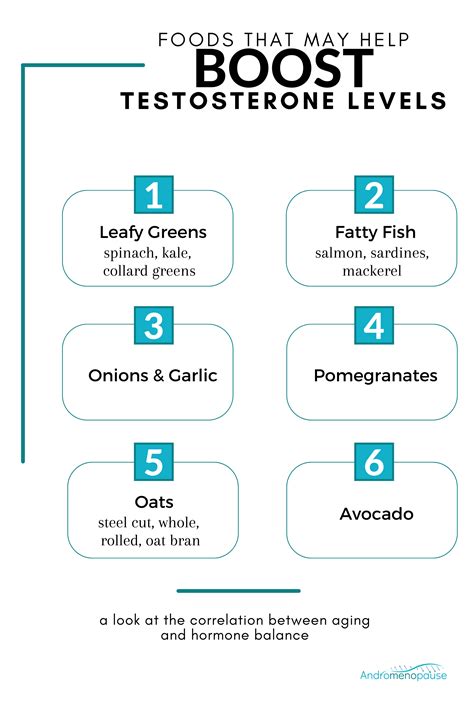
- Healthy Fats: Cholesterol is a precursor to testosterone. Incorporate monounsaturated and polyunsaturated fats from avocados, nuts, seeds, olive oil, and fatty fish. Saturated fats in moderation from quality sources can also be beneficial.
- Protein: Adequate protein intake (from lean meats, poultry, fish, eggs, legumes, and dairy) is vital for muscle maintenance and overall metabolic health, indirectly supporting hormone production.
- Carbohydrates: Don’t shun carbs entirely. Complex carbohydrates from whole grains, fruits, and vegetables provide energy for workouts and help manage cortisol levels, which can suppress testosterone.
- Micronutrients: Zinc, Vitamin D, and Magnesium are critical. Zinc is directly involved in testosterone synthesis. Vitamin D acts as a steroid hormone and is strongly correlated with T-levels. Magnesium improves free testosterone by reducing binding to sex hormone-binding globulin (SHBG).
Strategic Exercise: Beyond Lifting Weights
While resistance training is a known stimulant for testosterone, the type and intensity of exercise matter. High-intensity interval training (HIIT) and heavy compound lifts (squats, deadlifts, bench press, overhead press) have been shown to acutely boost testosterone. However, overtraining can be detrimental, leading to increased cortisol and suppressed testosterone.
Incorporate a mix of:
- Strength Training: 3-4 times per week, focusing on progressive overload.
- HIIT: 1-2 times per week, short bursts of intense effort followed by brief recovery.
- Moderate Cardio: For cardiovascular health, but avoid excessive long-duration cardio which can elevate cortisol.

The Power of Sleep: Rest and Restore
Sleep deprivation is a potent suppressor of testosterone. The majority of daily testosterone release in men occurs during sleep, particularly during REM sleep. Aim for 7-9 hours of high-quality sleep per night. Poor sleep not only reduces testosterone but also increases cortisol and impairs insulin sensitivity, further disrupting hormonal balance.
- Establish a Routine: Go to bed and wake up at consistent times.
- Optimize Your Sleep Environment: Dark, quiet, and cool bedroom.
- Limit Screens: Avoid blue light exposure before bed.
Mastering Stress: The Cortisol-Testosterone Tug-of-War
Chronic stress leads to elevated cortisol levels. Cortisol and testosterone are produced from the same precursor molecule, pregnenolone. When cortisol demand is high, the body prioritizes cortisol production, potentially “stealing” resources from testosterone synthesis. Furthermore, high cortisol can directly inhibit testosterone production and receptor sensitivity.
Effective stress management techniques include:
- Mindfulness and Meditation: Regular practice can significantly lower stress hormones.
- Deep Breathing Exercises: Simple yet powerful for activating the parasympathetic nervous system.
- Hobbies and Relaxation: Engage in activities you enjoy to unwind.
- Social Connection: Strong social ties can buffer stress.

Lifestyle Optimization: Beyond the Basics
Several other lifestyle factors contribute to optimal testosterone levels:
- Maintain a Healthy Weight: Obesity, especially abdominal fat, increases aromatase activity, an enzyme that converts testosterone into estrogen.
- Limit Alcohol Intake: Excessive alcohol consumption can impair testicular function and increase estrogen.
- Avoid Endocrine Disruptors: Minimize exposure to plastics (BPA, phthalates), pesticides, and parabens found in personal care products, which can mimic hormones and disrupt endocrine function.
- Get Sunlight Exposure: Natural sunlight helps with Vitamin D synthesis, directly impacting testosterone.

Conclusion: A Holistic Path to Peak Performance
Optimizing natural testosterone is not about a single magic pill or booster; it’s about cultivating a lifestyle that supports your body’s inherent ability to thrive. By focusing on nutrient-dense foods, smart exercise, adequate sleep, effective stress management, and mindful lifestyle choices, men can naturally elevate their testosterone levels, unlock peak physical and mental performance, and foster long-term health and vitality. This holistic approach provides sustainable results, empowering men to feel their best from within.