


Beyond lifting, what neglected mobility drills prevent injury & boost power?
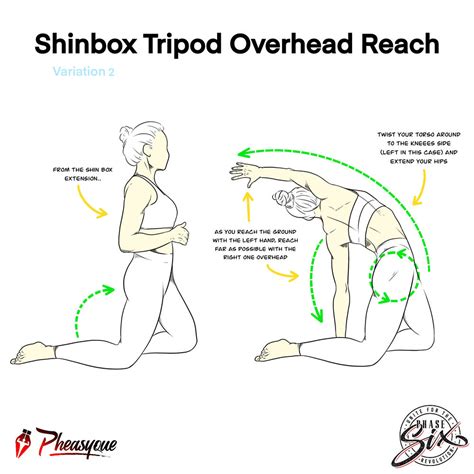
The Unsung Heroes of Performance and Longevity
In the relentless pursuit of strength and muscle, many fitness enthusiasts become laser-focused on lifting heavier, running faster, or hitting new personal bests. While foundational resistance training is undoubtedly crucial, a critical component often falls by the wayside: mobility. It’s not just about stretching; mobility is the ability to move a joint actively through its full range of motion. Neglecting this aspect can lead to plateaus, increased injury risk, and untapped power potential.
Think about it: A strong engine in a car with restricted steering or stiff suspension won’t perform optimally. Your body is no different. True strength lies in the ability to generate force across a stable, mobile joint. This article delves into those often-neglected mobility drills that go beyond the usual pre-workout stretches, offering profound benefits for injury prevention and explosive power.
Why Mobility Matters Beyond the Lift
Many lifters believe that simply getting stronger will solve all their problems. However, foundational mobility issues can undermine even the most robust strength programs. Restricted movement patterns force your body to compensate, placing undue stress on joints, ligaments, and tendons, which can lead to chronic pain and acute injuries.
Conversely, improved mobility enhances your ability to achieve optimal positions for exercises like squats, deadlifts, and overhead presses. This not only makes these movements safer but also allows for greater muscle activation and, consequently, more power generation. When you can move freely and efficiently, your body can express its strength more effectively.

Key Areas Often Neglected
While every joint matters, certain areas are more prone to restriction due to modern lifestyles (sitting, repetitive movements) and the demands of heavy lifting. Focusing on these can yield significant dividends:
- Thoracic Spine: Your upper back’s ability to rotate and extend is vital for shoulder health and overhead stability.
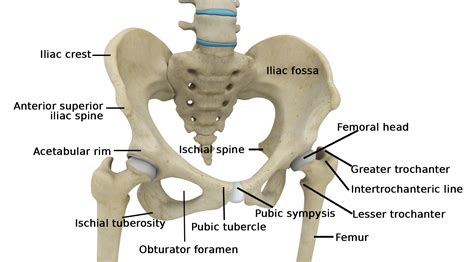
- Hips: Restricted hip mobility limits squat depth, deadlift mechanics, and explosive lower body power.
- Ankles: Poor ankle dorsiflexion can compromise squat form and jumping mechanics.
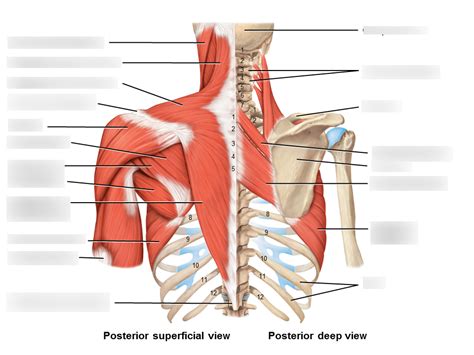
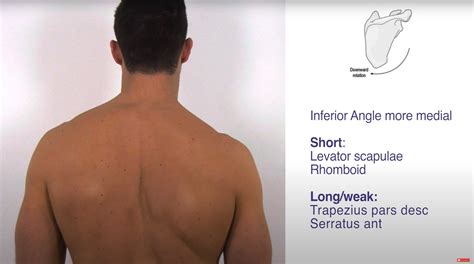
- Shoulders/Scapulae: Optimal scapular (shoulder blade) movement is crucial for pressing, pulling, and overall shoulder joint integrity.
Essential Neglected Mobility Drills
1. Thoracic Spine Mobility: Cat-Cow with Rotation & Book Openers
These drills directly address stiffness in the upper back, improving posture, overhead lifting capacity, and reducing strain on the lower back and shoulders.
- Cat-Cow with Rotation: Start on all fours. As you round your back (cat), rotate your torso, bringing one shoulder towards your hip. As you arch (cow), extend and rotate the other way.
- Book Openers: Lie on your side with knees bent and stacked, arms extended forward. Keeping your knees together, open your top arm like a book, rotating your torso until your shoulder blade touches the floor.
2. Hip Mobility & Stability: 90/90 Stretch & Spiderman Lunge with Rotation
Unlocking the hips is paramount for deep squats, powerful deadlifts, and any explosive lower-body movement. These drills target both internal and external hip rotation.
- 90/90 Stretch: Sit with one leg bent 90 degrees in front of you (shin parallel to torso) and the other leg bent 90 degrees to the side (shin perpendicular). Gently lean forward over the front leg, then switch to lean over the back leg.
- Spiderman Lunge with Rotation: Step into a deep lunge. Place both hands inside your front foot. Drop your rear knee if needed. Then, take the hand on the same side as your front leg and rotate it towards the sky, opening your chest.
3. Ankle Dorsiflexion: Wall Ankle Mobility & Banded Ankle Dorsiflexion
Limited ankle mobility can severely restrict squat depth, leading to a forward lean or heel lift. Improving this can instantly enhance lower body mechanics.
- Wall Ankle Mobility: Face a wall, place your foot about 4-6 inches away. Keep your heel on the ground and drive your knee towards the wall, aiming to touch it. Move your foot further back as mobility improves.
- Banded Ankle Dorsiflexion: Loop a resistance band around a stable object and then around your ankle, just above the foot. Step back to create tension. Drive your knee forward over your toes, allowing the band to pull your talus bone backward, creating space in the ankle joint.

4. Scapular Control: Wall Angels & Scapular CARs (Controlled Articular Rotations)
Healthy shoulders rely on the scapulae moving freely and stably on the rib cage. These drills improve shoulder girdle awareness and control, vital for pressing and pulling.
- Wall Angels: Stand with your back flat against a wall, arms bent at 90 degrees with elbows and wrists touching the wall. Slowly slide your arms up the wall as high as you can while maintaining contact, then return.
- Scapular CARs: Stand tall. Slowly and deliberately move your shoulder blade through its full range of motion: elevation, retraction, depression, protraction, and then reverse the order. Focus on isolation.
Integrating Mobility into Your Routine
These drills aren’t meant to be exhaustive workouts. Incorporate them strategically:
- Warm-up: Perform 1-2 sets of 5-10 repetitions of relevant drills for the joints you’re about to train.
- Cool-down: Dedicate 5-10 minutes to longer holds (30-60 seconds) on static versions of these stretches.
- Active Recovery: On rest days, a dedicated 15-20 minute mobility flow can significantly aid recovery and improve overall movement quality.
Conclusion
Neglecting mobility is akin to building a house on a shaky foundation. While lifting provides the walls and roof, mobility ensures the ground beneath is stable and adaptable. By integrating these often-overlooked drills into your routine, you’ll not only safeguard yourself against common lifting injuries but also unlock a new level of power and efficiency in your movements. Prioritize movement quality, and watch your overall athletic performance soar.