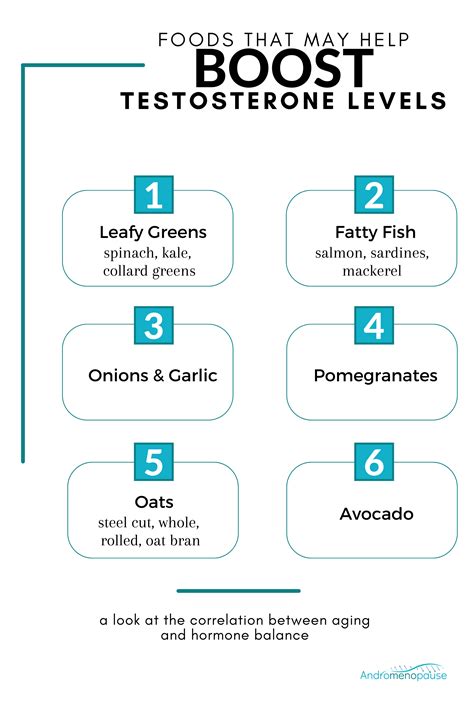





Beyond diet, how can men naturally boost testosterone levels for peak vitality?

Understanding Testosterone’s Crucial Role
Testosterone, often synonymous with masculinity, plays a pivotal role in men’s overall health and well-being. Beyond its well-known influence on muscle mass, bone density, and sex drive, optimal testosterone levels contribute significantly to mood, energy levels, cognitive function, and cardiovascular health. While diet is undoubtedly a cornerstone of hormonal balance, many other lifestyle factors can dramatically impact testosterone production. For men seeking peak vitality, looking beyond the plate is essential to truly optimize this vital hormone.

The Power of Quality Sleep
In our fast-paced world, sleep is often the first thing sacrificed, yet it’s one of the most potent natural testosterone boosters. The majority of daily testosterone production occurs during sleep, particularly during the deep REM stages. Chronic sleep deprivation, even just a few nights of inadequate rest, can significantly depress testosterone levels.
- Aim for 7-9 hours: Consistently prioritize 7 to 9 hours of high-quality sleep per night.
- Maintain a regular schedule: Go to bed and wake up around the same time each day, even on weekends, to regulate your circadian rhythm.
- Optimize your sleep environment: Ensure your bedroom is dark, quiet, and cool. Avoid screens (phones, tablets, TVs) at least an hour before bed.
Strategic Exercise: Beyond Cardio
While all forms of exercise are beneficial, certain types have a more profound impact on testosterone. High-intensity interval training (HIIT) and strength training stand out as particularly effective.

Strength Training
Lifting heavy weights, especially compound movements that engage multiple large muscle groups (squats, deadlifts, bench presses, rows), is a powerful stimulus for testosterone release. Aim for 3-4 sessions per week, focusing on progressive overload – gradually increasing the weight or repetitions over time.
High-Intensity Interval Training (HIIT)
Short bursts of intense exercise followed by brief recovery periods can also significantly elevate testosterone. Examples include sprinting, cycling, or rowing with maximum effort for 30-60 seconds, followed by 1-2 minutes of light activity, repeated for 15-20 minutes. HIIT can be done 2-3 times a week.
Mastering Stress and Cortisol
Chronic stress is a silent killer of testosterone. When you’re stressed, your body produces cortisol, a hormone that directly inhibits testosterone production. A sustained elevation of cortisol can lead to a significant drop in vitality, energy, and libido.
![100+ Man Images [HD] | Download Free Images on Unsplash](/images/aHR0cHM6Ly90czIuZXhwbGljaXQuYmluZy5uZXQvdGg/aWQ9T0lQLkxMZmNuRmhJUno1NVFWQm1ENVJKbXdIYUxIJnBpZD0xNS4x.webp)
Implementing stress-reduction techniques into your daily routine is crucial:
- Mindfulness and Meditation: Even 10-15 minutes a day can significantly lower cortisol.
- Deep Breathing Exercises: Simple techniques can calm the nervous system instantly.
- Nature Exposure: Spending time outdoors, particularly in green spaces, is proven to reduce stress.
- Hobbies and Social Connection: Engaging in enjoyable activities and nurturing relationships provides an emotional buffer against stress.
The Sunlight and Vitamin D Connection
Vitamin D, often called the ‘sunshine vitamin,’ is not just a vitamin but a pro-hormone, playing a critical role in numerous bodily functions, including testosterone production. Studies have shown a strong correlation between adequate Vitamin D levels and higher testosterone.

The best way to get Vitamin D is through safe sun exposure. Aim for 15-30 minutes of direct sunlight exposure (depending on skin type and time of year) on exposed skin several times a week. In regions with limited sunlight, or if direct exposure isn’t feasible, supplementation with Vitamin D3 may be necessary, ideally under the guidance of a healthcare professional.
Minimize Endocrine Disruptors and Toxins
Our modern environment is rife with chemicals that can mimic or interfere with hormones, known as endocrine-disrupting chemicals (EDCs). Many of these can negatively impact testosterone levels.

- BPA and Phthalates: Found in plastics, food packaging, and personal care products. Opt for glass or stainless steel containers, and choose ‘BPA-free’ products.
- Pesticides: Choose organic produce when possible to reduce exposure.
- Parabens and Triclosan: Common in cosmetics and antibacterial soaps. Read labels and choose natural alternatives.
By making conscious choices about the products you use and consume, you can significantly reduce your exposure to these harmful chemicals and support your natural hormonal balance.
Conclusion: A Holistic Approach to Peak Vitality
While a nutritious diet forms the foundation, true peak vitality and optimized testosterone levels stem from a holistic approach to lifestyle. By prioritizing quality sleep, engaging in strategic strength and high-intensity training, effectively managing stress, ensuring adequate Vitamin D, and minimizing exposure to endocrine disruptors, men can naturally boost their testosterone and unlock a renewed sense of energy, strength, and overall well-being. These aren’t just quick fixes, but sustainable practices that lay the groundwork for long-term health and vitality.