




Best shave technique to eliminate razor burn & ingrowns for peak impact?

Achieving a smooth, irritation-free shave that leaves your skin feeling as good as it looks is an art form. Razor burn, unsightly red bumps, and painful ingrown hairs can undermine even the most confident appearance. But with the right technique, tools, and aftercare, you can banish these common shaving woes for good and unlock a truly impactful grooming experience.
Understanding the Enemy: Razor Burn & Ingrown Hairs
Before we dive into solutions, it’s crucial to understand what causes these frustrating issues.
What Causes Razor Burn?
Razor burn is a type of skin irritation that occurs after shaving, often manifesting as redness, stinging, and small red bumps. It’s typically caused by dry shaving, using a dull blade, applying too much pressure, or shaving against the grain.
The Lowdown on Ingrown Hairs
Ingrown hairs happen when a shaved hair curls back into the skin and starts growing inwards, leading to inflammation, red bumps, and sometimes painful pustules. This is more common in people with curly or coarse hair, and can be exacerbated by incorrect shaving techniques that leave hair with a sharp, pointed tip that easily re-enters the follicle.

Pre-Shave Ritual: The Foundation for a Flawless Shave
The secret to a great shave begins long before the blade touches your skin. Proper preparation softens the hair and prepares the skin, minimizing irritation.
- Exfoliate Gently: A day before or right before shaving, use a mild facial scrub or a warm washcloth to gently exfoliate your skin. This removes dead skin cells and lifts any hairs that might be prone to ingrowing.
- Warm Water Rinse: Always shave after a warm shower or by applying a hot towel to your face for a few minutes. Warmth opens pores and softens hair follicles, making hairs easier to cut.
- Apply Pre-Shave Oil: A good pre-shave oil creates a protective barrier between your skin and the razor, providing extra lubrication and helping the blade glide more smoothly.

The Shaving Technique: Precision and Care
This is where the magic happens. A mindful approach to shaving technique can drastically reduce razor burn and ingrowns.
Choose Your Weapon Wisely
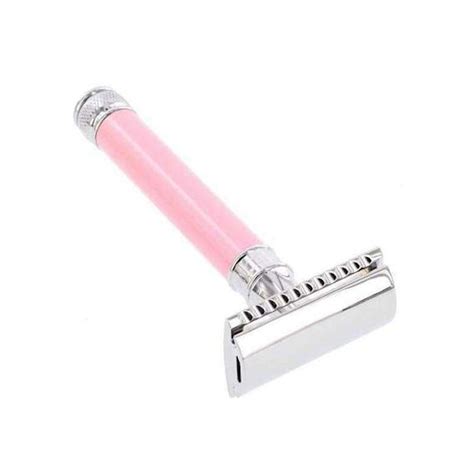
While multi-blade razors can offer convenience, they often pull the hair before cutting, increasing the risk of irritation. Consider a high-quality safety razor (single blade) or an electric shaver with a foil head, which are often gentler on sensitive skin.
Lather Up Right
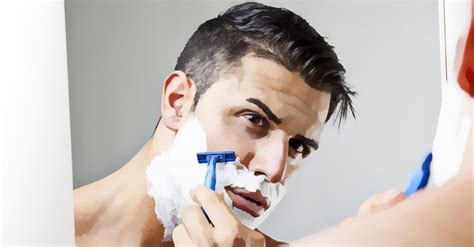
Use a rich, hydrating shaving cream or soap, applied with a brush, to create a thick lather. This further lifts hairs and provides a cushion for the blade.
The Angle and Pressure
Hold your razor at about a 30-degree angle to your skin. Use light, short strokes and let the weight of the razor do the work – no need to press hard. Always shave with the grain (in the direction your hair grows) first. If you need a closer shave, re-lather and go across the grain, but avoid going against the grain, especially if you’re prone to ingrowns.
Rinse Your Blade Often
After every 1-2 strokes, rinse your razor under hot running water. This removes trapped hair and shaving cream, ensuring a clean, efficient cut.

Post-Shave Care: Soothe and Protect
Your shaving routine isn’t complete until you’ve properly treated your skin post-shave.
- Cold Water Rinse: Splash your face with cold water to close pores and soothe the skin.
- Apply Aftershave Balm: Skip alcohol-based aftershaves, which can dry out and irritate skin. Opt for a soothing, hydrating aftershave balm containing ingredients like aloe vera, witch hazel, or chamomile to calm irritation and reduce redness.
- Moisturize: Even if you use a balm, follow up with a non-comedogenic facial moisturizer to keep your skin hydrated and protected throughout the day.

Advanced Tips for Stubborn Issues
If razor burn and ingrowns persist, consider these extra steps:
- Consider a Single-Blade Razor: For very sensitive skin or coarse, curly hair, a single-blade safety razor or a straight razor can be a game-changer as it cuts hair at the surface without pulling.
- Shave Less Often: Allowing your hair to grow a little longer between shaves can reduce irritation.
- Regular Exfoliation: Incorporate gentle exfoliation 2-3 times a week (even on non-shave days) to keep follicles clear.
- Spot Treatment: For existing ingrowns, use a targeted treatment product with salicylic acid or glycolic acid to help free the hair.
Eliminating razor burn and ingrown hairs is entirely achievable with a consistent, thoughtful approach to your shaving routine. By prioritizing preparation, mastering your technique, and committing to proper aftercare, you’ll not only achieve a closer, more comfortable shave but also maintain healthier, more resilient skin ready to make its peak impact.