




Best routine to eliminate razor burn and achieve peak skin smoothness?
Understanding Razor Burn and the Quest for Smoothness
Razor burn and irritation are common foes in the pursuit of perfectly smooth skin. Characterized by redness, stinging, bumps, and even ingrown hairs, razor burn can turn a routine shave into a painful ordeal. But achieving a flawlessly smooth, irritation-free complexion isn’t just a dream; it’s an attainable reality with the right approach. This comprehensive guide will walk you through a step-by-step routine, blending expert advice with practical tips to transform your shaving experience.
The key lies in understanding that shaving isn’t just about removing hair; it’s a delicate interaction with your skin. By focusing on proper preparation, precise technique, and attentive aftercare, you can minimize friction, prevent inflammation, and nurture your skin to its silkiest potential. Let’s embark on the journey to banish razor burn forever and unlock peak skin smoothness.

Step 1: The Crucial Pre-Shave Preparation
The foundation of a great shave begins long before the razor touches your skin. Proper preparation softens the hair, opens pores, and creates a protective barrier, making the hair easier to cut and reducing drag and irritation.
Exfoliate Gently
Start by gently exfoliating your skin. This removes dead skin cells, unclogs pores, and helps release any trapped hairs that could lead to ingrowns. Use a mild facial scrub or an exfoliating brush a day before or just before shaving. Be gentle; aggressive scrubbing can irritate the skin further.
Warm Water Rinse or Shower
Take a warm shower or apply a warm, damp towel to the area you intend to shave for a few minutes. Warmth softens the hair follicles, making them more pliable and easier for the razor to glide through. It also helps to open up your pores, allowing for a closer shave with less effort.
Apply a Pre-Shave Oil or Cream
A good quality pre-shave oil or cream adds an extra layer of lubrication and protection between your skin and the razor. It helps the blade glide smoothly without tugging, further reducing the risk of nicks and irritation. Apply a small amount and massage it into the skin.
Step 2: Mastering the Shaving Technique
Your shaving technique is paramount to preventing razor burn and achieving a close, smooth finish. Sloppy technique is a primary culprit for irritation.
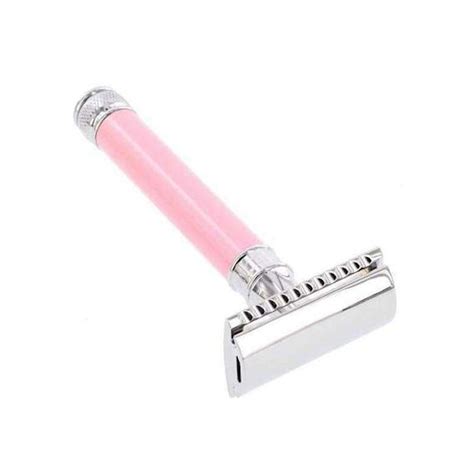
Use a Sharp, Clean Razor
This is non-negotiable. A dull blade tugs at hair, causing irritation and an uneven shave. Replace your razor blade every 5-7 shaves, or at the first sign of dullness or discomfort. Always rinse your razor thoroughly after each use to remove hair and product build-up.
Lather Up with Quality Shaving Cream or Gel
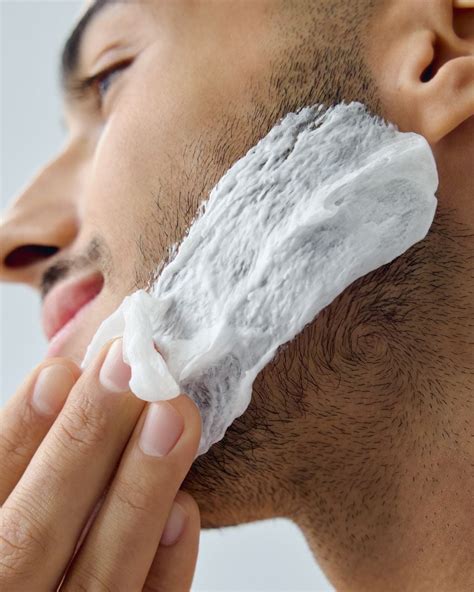
Invest in a rich, moisturizing shaving cream or gel. Lather it generously over the pre-shaved area, ensuring complete coverage. The lather lifts the hairs, provides lubrication, and helps the blade glide effortlessly. Avoid harsh soaps that can strip your skin’s natural oils.

Shave With the Grain (First Pass)
For your first pass, always shave in the direction of hair growth (with the grain). This minimizes tugging and reduces the chance of irritation and ingrown hairs. While it might not feel as close, it’s the kindest approach to your skin. For an even closer shave, you can re-lather and go across the grain on a second pass, but avoid going against the grain if you’re prone to razor burn.
Use Light, Short Strokes and Minimal Pressure
Let the razor do the work. Applying too much pressure forces the blade too deep, leading to skin irritation and nicks. Use light, controlled strokes, and rinse your razor frequently under warm water to clear away hair and cream, ensuring optimal performance.
Step 3: Essential Post-Shave Care
The steps you take immediately after shaving are critical for calming the skin, closing pores, and preventing inflammation.
Rinse with Cool Water
Once you’ve finished shaving, rinse your face thoroughly with cool water. This helps to remove any remaining shaving cream and, crucially, closes your pores, which can reduce redness and irritation.
Apply an Alcohol-Free Aftershave Balm or Lotion
Skip alcohol-based aftershaves, which can dry out and irritate sensitive skin. Instead, opt for a soothing, alcohol-free aftershave balm or lotion. Look for ingredients like aloe vera, witch hazel, chamomile, or tea tree oil, which have anti-inflammatory and antiseptic properties to calm the skin and prevent bumps.
Moisturize Your Skin
Even after applying an aftershave balm, follow up with a good quality, non-comedogenic moisturizer. Shaving can strip your skin of its natural moisture, so replenishing it is vital for maintaining skin health and preventing dryness, which can exacerbate irritation. A well-hydrated skin barrier is a strong defense against external irritants.
Step 4: Long-Term Maintenance for Lasting Smoothness
Consistency and good habits are key to keeping razor burn at bay and enjoying consistently smooth skin.
Shave Less Frequently (If Possible)
If you’re prone to severe razor burn, try to extend the time between shaves. Giving your skin a day or two to recover can make a significant difference. Daily shaving can be too abrasive for some skin types.
Regular Razor Hygiene
Always store your razor in a dry place to prevent bacterial growth and rusting, which can dull the blade and cause skin issues. Consider replacing your razor head or disposable razor regularly, even if it hasn’t reached the 5-7 shave mark, if you notice any discomfort.
Maintain Regular Exfoliation
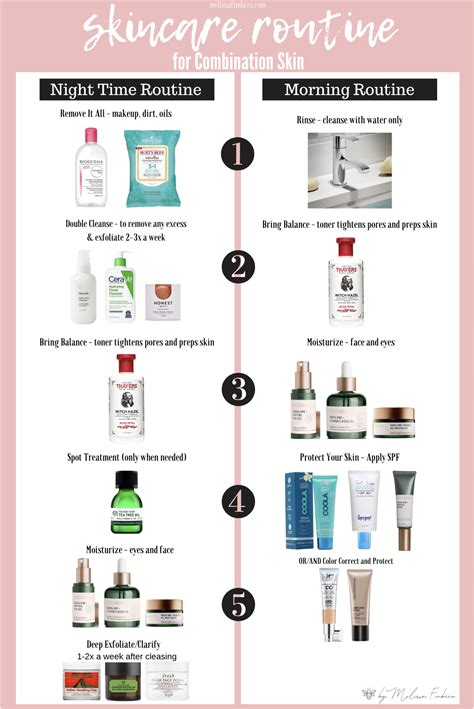
Incorporate regular, gentle exfoliation (2-3 times a week, not just before shaving) into your skincare routine. This helps to prevent ingrown hairs and keeps your skin texture smooth and even, making future shaves easier and more comfortable.
Key Takeaways for a Superior Shave
Eliminating razor burn and achieving peak skin smoothness is a journey that involves a holistic approach to your grooming routine. Remember these pillars:
- Preparation is paramount: Soften hair and protect skin.
- Technique matters: Use sharp blades, light pressure, and shave with the grain.
- Aftercare is essential: Soothe, hydrate, and protect your freshly shaved skin.
- Consistency is key: Maintain good habits for lasting results.
By diligently following these steps, you will not only eliminate the discomfort and unsightly appearance of razor burn but also cultivate healthier, smoother, and more radiant skin. Embrace this routine, and look forward to a shave that’s not just a necessity, but a truly enjoyable part of your grooming regimen.