




Best natural ways to optimize testosterone for male vitality?

Testosterone, often hailed as the cornerstone of male vitality, plays a crucial role far beyond just sex drive. It influences muscle mass, bone density, mood, energy levels, cognitive function, and even red blood cell production. While testosterone levels naturally decline with age, modern lifestyles can accelerate this process, leading to symptoms like fatigue, reduced libido, mood swings, and decreased physical performance. Fortunately, many natural strategies can help optimize your testosterone levels and restore that lost vitality.
Understanding Testosterone’s Vital Role
Before diving into optimization, it’s essential to understand why healthy testosterone levels are so important. Adequate testosterone supports metabolic health, maintains a healthy body composition, and contributes to overall mental well-being. Low testosterone (Low T) can diminish quality of life, making it a critical area for men to address proactively.
Dietary Foundations for Healthy Testosterone
Your diet is a powerful tool for hormone regulation. What you eat directly impacts your body’s ability to produce testosterone.
Embrace Nutrient-Dense Foods
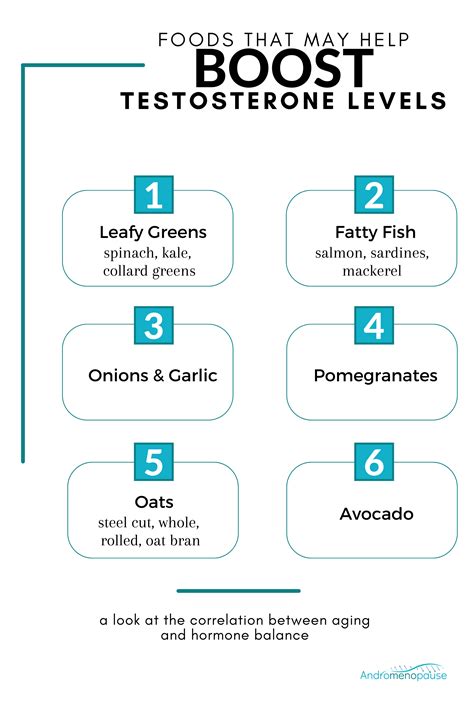
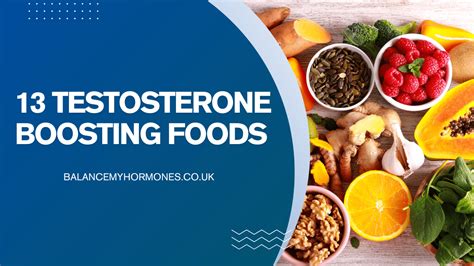
Focus on a balanced diet rich in whole, unprocessed foods. Healthy fats are crucial for hormone production; include sources like avocados, nuts, olive oil, and fatty fish (salmon, mackerel). Protein, from lean meats, poultry, eggs, and legumes, provides the building blocks for hormones and muscle. Complex carbohydrates from whole grains, fruits, and vegetables offer sustained energy and essential vitamins and minerals.
Specific micronutrients are particularly important: Zinc, found in oysters, red meat, and pumpkin seeds, is vital for testosterone synthesis. Vitamin D, which acts more like a hormone, is directly linked to testosterone levels.
Foods to Limit or Avoid
Conversely, certain foods can negatively impact testosterone. Minimize processed foods, excessive sugars, and unhealthy trans fats found in many fried and packaged items. Excessive alcohol consumption has also been shown to lower testosterone levels.
The Power of Exercise
Physical activity, especially certain types, is a potent natural testosterone booster.
Strength Training
Lifting weights or engaging in resistance training is one of the most effective ways to stimulate testosterone production. Focus on compound exercises that work multiple muscle groups, such as squats, deadlifts, bench presses, and rows. Aim for 3-4 sessions per week, with adequate rest between workouts.
High-Intensity Interval Training (HIIT)
Short bursts of intense exercise followed by brief recovery periods can also significantly increase testosterone. HIIT sessions are time-efficient and highly effective for metabolic and hormonal health.

Prioritize Quality Sleep
Sleep is when your body repairs and regenerates, including hormone production. Chronic sleep deprivation can significantly reduce testosterone levels. Studies have shown that even a week of restricted sleep can lead to a substantial drop in T levels.
Aim for 7-9 hours of high-quality sleep per night. Establish a consistent sleep schedule, create a dark and cool sleep environment, and avoid screens before bedtime to optimize your sleep hygiene.

Manage Stress Effectively
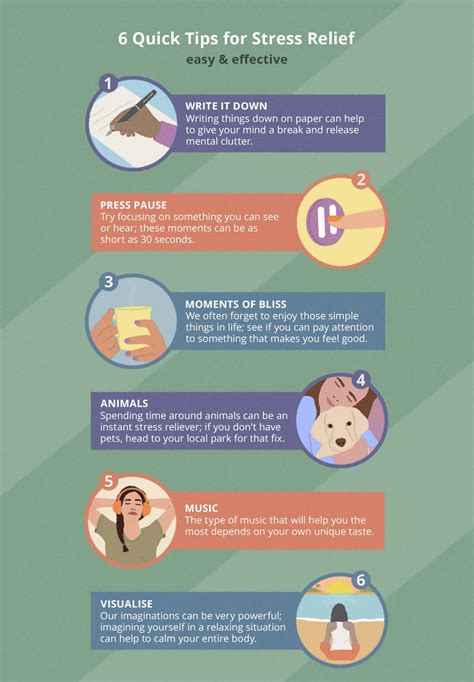
Chronic stress elevates cortisol levels, the body’s primary stress hormone. High cortisol can suppress testosterone production, creating an unfavorable hormonal environment. Finding healthy ways to manage stress is crucial for maintaining optimal testosterone levels.
Incorporate stress-reducing practices into your daily routine, such as meditation, yoga, deep breathing exercises, spending time in nature, or pursuing hobbies you enjoy. These activities can help lower cortisol and support hormone balance.
Sunlight and Vitamin D
Vitamin D is more than just a vitamin; it’s a steroid hormone precursor closely linked to testosterone synthesis. Adequate sun exposure is the most natural way to boost your Vitamin D levels. Aim for 10-30 minutes of midday sun exposure several times a week, depending on your skin type and location. If sun exposure is limited, consider a high-quality Vitamin D3 supplement, preferably after consulting with a healthcare professional.
Consider Targeted Natural Supplements (With Caution)
While a whole-food diet and healthy lifestyle are paramount, certain natural supplements can support testosterone optimization when needed. Zinc, Magnesium, and Vitamin D3 are common deficiencies that, when corrected, can positively impact testosterone. Herbs like Ashwagandha have also shown promise in reducing stress (and thus cortisol) and improving testosterone levels. Always consult your doctor before starting any new supplement regimen to ensure it’s appropriate for your health needs.
Conclusion: A Holistic Path to Vitality
Optimizing testosterone naturally is not about a quick fix but a holistic lifestyle approach. By consistently focusing on a nutrient-rich diet, regular strength training and HIIT, prioritizing quality sleep, effectively managing stress, and ensuring adequate Vitamin D, men can significantly improve their testosterone levels and reclaim their vitality. This comprehensive strategy not only boosts testosterone but also enhances overall health, energy, and well-being, leading to a more vibrant and fulfilling life. Remember to consult a healthcare professional for personalized advice, especially if you suspect you have clinically low testosterone levels.