




Best natural ways to increase testosterone & combat fatigue?

Understanding Testosterone and Fatigue
Testosterone is a vital hormone, predominantly in men but also present in women, playing a crucial role in muscle mass, bone density, red blood cell production, and overall mood and energy. Low testosterone (often called ‘low T’) can manifest as persistent fatigue, decreased libido, reduced muscle mass, difficulty concentrating, and mood disturbances. While there are medical treatments, many natural approaches can significantly help in both boosting testosterone and combating the accompanying fatigue, offering a holistic path to improved well-being.

Dietary Strategies for Hormone Health
What you eat directly impacts your hormone production and energy levels. Prioritizing a nutrient-dense diet is fundamental:
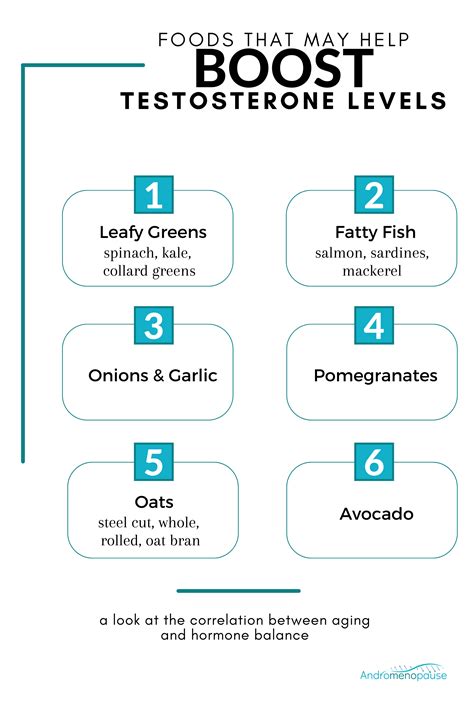
- Healthy Fats: Include sources like avocados, nuts, seeds, and olive oil. Cholesterol is a precursor to testosterone, so healthy fats are essential.
- Protein Rich Foods: Lean meats, poultry, fish, eggs, and legumes support muscle growth and overall hormone synthesis.
- Zinc-Rich Foods: Oysters, red meat, poultry, beans, and nuts are excellent sources of zinc, a mineral critical for testosterone production.
- Vitamin D: Often called the ‘sunshine vitamin,’ Vitamin D acts as a steroid hormone in the body and is directly linked to testosterone levels. Fatty fish, fortified foods, and controlled sun exposure are key.
- Limit Sugar and Processed Foods: These can lead to inflammation and insulin resistance, both detrimental to hormone balance and energy.
Exercise for Hormonal Balance and Energy
Physical activity, especially certain types, is a powerful tool for boosting testosterone and fighting fatigue:
- Strength Training: Lifting weights, resistance band exercises, and bodyweight routines are highly effective at stimulating testosterone release. Focus on compound movements that engage multiple muscle groups.
- High-Intensity Interval Training (HIIT): Short bursts of intense exercise followed by brief recovery periods can significantly impact hormone levels and improve cardiovascular health, leading to sustained energy.
- Avoid Overtraining: While exercise is good, excessive or prolonged intense exercise without adequate recovery can increase cortisol (a stress hormone) and potentially lower testosterone.

Prioritize Quality Sleep
Sleep is a non-negotiable component of hormone regulation and energy restoration. Most of your daily testosterone is produced during sleep, particularly during deep REM cycles. Chronic sleep deprivation can drastically lower testosterone levels and lead to profound fatigue. Aim for 7-9 hours of high-quality sleep per night. Establish a consistent sleep schedule, create a dark and cool sleep environment, and avoid screens before bed.
Manage Stress Effectively
Chronic stress elevates cortisol levels. High cortisol suppresses testosterone production, making stress management vital for both hormone health and combating fatigue. Incorporate stress-reducing techniques into your daily routine:
- Mindfulness and Meditation: Regular practice can lower cortisol and improve overall mental well-being.
- Yoga and Deep Breathing: These practices promote relaxation and can significantly reduce stress responses.
- Spend Time in Nature: Connecting with the outdoors has proven benefits for stress reduction.
- Hobbies and Social Connection: Engage in activities you enjoy and maintain strong social bonds to foster positive emotions.

Consider Natural Supplements (Wisely)
While diet and lifestyle are primary, certain natural supplements can offer support:
- Vitamin D3: If deficient, supplementation is often necessary, especially in regions with limited sun exposure.
- Zinc: If dietary intake is insufficient, a zinc supplement may be beneficial.
- Ashwagandha: An adaptogenic herb shown to reduce cortisol and may modestly boost testosterone.
- Fenugreek: Some studies suggest it can increase free and total testosterone levels.
- Magnesium: Important for hundreds of bodily functions, including energy production and sleep quality.
Always consult with a healthcare professional before starting any new supplement regimen.

Other Lifestyle Factors
- Maintain a Healthy Weight: Excess body fat, especially around the abdomen, can convert testosterone into estrogen, reducing free testosterone.
- Limit Alcohol Consumption: Excessive alcohol intake can interfere with testosterone production and disrupt sleep.
- Avoid Endocrine Disruptors: Be mindful of exposure to chemicals in plastics (BPA, phthalates), pesticides, and personal care products that can interfere with hormone function.
Conclusion
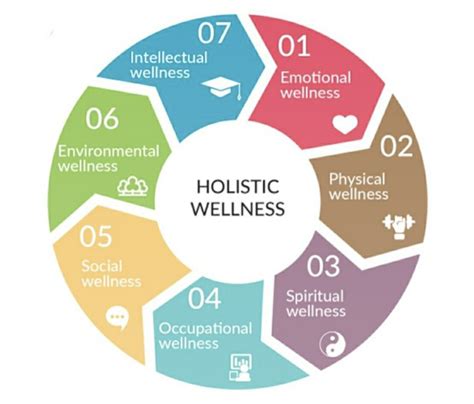
Increasing testosterone naturally and combating fatigue is a multifaceted journey that requires a commitment to a healthy lifestyle. By optimizing your diet, engaging in appropriate exercise, prioritizing quality sleep, effectively managing stress, and being mindful of environmental factors, you can significantly improve your hormonal health and reclaim your energy. Consistency and a holistic approach are key to achieving lasting results and enhancing your overall vitality.