




Best diet strategy to shred fat, boost testosterone, and maintain muscle mass?

The Triple Threat: Shredding Fat, Boosting Testosterone, and Maintaining Muscle
Achieving the trifecta of significant fat loss, elevated testosterone, and robust muscle maintenance is a common goal for many fitness enthusiasts. While these objectives might seem at odds – fat loss typically requiring a calorie deficit and muscle growth benefiting from a surplus – a strategically designed diet can indeed facilitate all three. This article outlines a holistic nutritional approach to optimize your body composition and hormonal health.
The Foundational Principles: Calorie Management and Macronutrient Prioritization
1. Strategic Calorie Deficit for Fat Loss
To shred fat, a calorie deficit is non-negotiable. However, this deficit should be moderate, typically 10-20% below your total daily energy expenditure (TDEE). A severe deficit can compromise muscle mass and suppress testosterone production. Focus on creating this deficit primarily through diet, supplemented by smart exercise choices.
2. High Protein Intake for Muscle Preservation and Satiety
Protein is paramount. A high protein intake is critical for preserving muscle mass during a calorie deficit, enhancing satiety to prevent overeating, and requiring more energy for digestion (thermogenic effect). Aim for 1.6-2.2 grams of protein per kilogram of body weight per day (0.7-1 gram per pound).
3. Healthy Fats for Hormonal Health
Dietary fats, especially healthy ones, are crucial for hormone production, including testosterone. Do not drastically cut fats in an effort to lose weight; this can backfire on your hormonal balance. Aim for 20-30% of your total daily calories from healthy fats. Prioritize monounsaturated and polyunsaturated fats.
4. Strategic Carbohydrate Cycling or Moderate Intake
Carbohydrates provide energy for intense workouts and help maintain thyroid function and leptin levels, both of which are important for metabolism and testosterone. Instead of eliminating carbs, consume them strategically. On training days, allocate more carbs around your workouts. On rest days, you might opt for a slightly lower carb intake. Aim for 25-45% of your total daily calories from complex carbohydrates.
Food Choices for Optimal Results
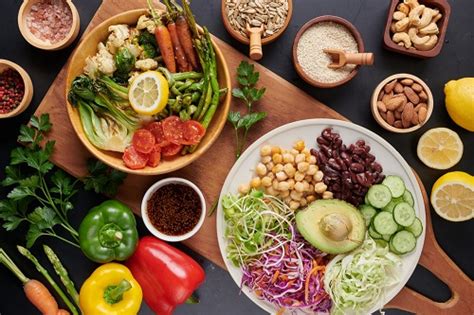
- Lean Protein Sources: Chicken breast, turkey, lean beef, salmon, cod, eggs, Greek yogurt, cottage cheese, whey protein, lentils, beans, tofu.
- Healthy Fats: Avocados, olive oil, nuts (almonds, walnuts), seeds (chia, flax, pumpkin), fatty fish (salmon, mackerel), egg yolks.
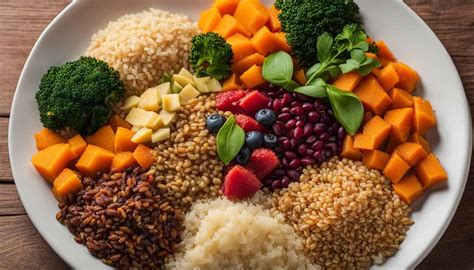
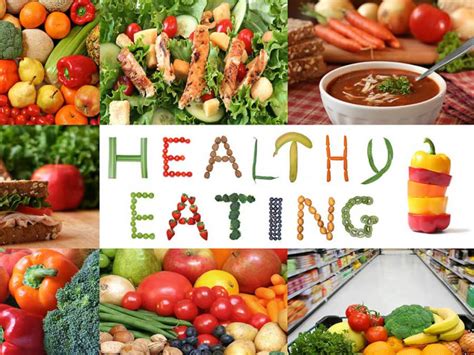
- Complex Carbohydrates: Oats, quinoa, brown rice, sweet potatoes, whole-grain bread, fruits (berries, apples, bananas), plenty of non-starchy vegetables (broccoli, spinach, bell peppers).
Micronutrients and Hydration
Don’t overlook the power of micronutrients. Vitamins and minerals play a vital role in metabolism, energy production, and hormonal health. Ensure a diverse intake of fruits and vegetables. Key micronutrients for testosterone include Zinc, Vitamin D, Magnesium, and Vitamin K2. Consider a multivitamin if your diet is lacking, but whole foods should be the primary source.
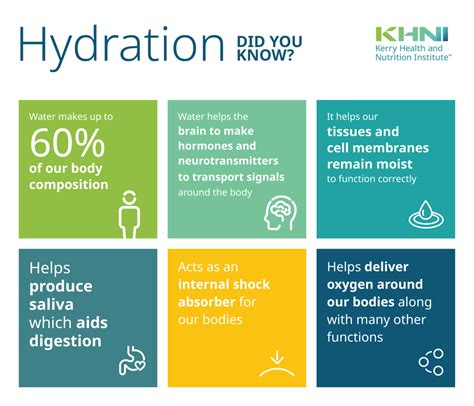
Hydration is equally critical. Water is involved in every bodily process, including metabolism and nutrient transport. Aim for at least 3-4 liters of water per day, more if you are highly active.
Meal Timing and Frequency
While total daily intake is more important than strict timing, distributing your protein intake throughout the day (e.g., 4-6 meals/snacks) can optimize muscle protein synthesis. Consuming carbs around your workouts can fuel performance and aid recovery. Intermittent fasting can be a viable strategy for some, but ensure it allows for adequate nutrient intake within the eating window without compromising your goals.
Beyond Diet: Lifestyle Factors
While the focus is on diet, remember that sleep and stress management profoundly impact testosterone levels and fat loss. Aim for 7-9 hours of quality sleep per night and incorporate stress-reduction techniques into your routine.
Conclusion: Consistency is Key
The best diet strategy is one you can consistently adhere to. This integrated approach, balancing a moderate calorie deficit with optimal macronutrient ratios – particularly high protein and adequate healthy fats – alongside smart carbohydrate timing and a focus on micronutrients and hydration, provides a powerful framework. Combine this with intelligent training and healthy lifestyle habits, and you’ll be well on your way to shredding fat, boosting testosterone, and maintaining your hard-earned muscle mass.