


How much protein do I need daily to optimize muscle recovery & growth for peak performance?

The Crucial Role of Protein in Athletic Performance
For anyone serious about building muscle, recovering efficiently, and achieving peak physical performance, protein isn’t just a nutrient; it’s the foundational building block. Muscles are primarily made of protein, and intense physical activity causes microscopic damage to muscle fibers. Protein provides the amino acids necessary to repair this damage, facilitating recovery and leading to stronger, larger muscles over time. But how much do you truly need to unlock these benefits?
Understanding Your Optimal Protein Intake
While general dietary guidelines often suggest a modest protein intake, the requirements for active individuals and athletes are significantly higher. The sedentary person might do well with 0.8 grams of protein per kilogram of body weight, but this amount is insufficient for muscle repair and growth in someone regularly engaging in resistance training or intense cardio.
For optimizing muscle recovery and growth, scientific literature generally points towards a range of 1.6 to 2.2 grams of protein per kilogram of body weight per day (g/kg/day). Some athletes, particularly those in caloric deficits aiming to preserve lean muscle mass, may even benefit from slightly higher intakes, up to 2.4-2.7 g/kg/day, but for most, staying within the 1.6-2.2 g/kg/day range is effective.

Factors Influencing Your Specific Protein Needs
Your individual protein requirements aren’t static; several factors can influence where you fall within the optimal range:
- Activity Level and Type: Resistance training demands more protein for muscle repair and synthesis than purely endurance training, though both increase needs.
- Body Composition Goals: If you’re in a caloric surplus aiming to build muscle, your protein needs might be at the lower end of the optimal range. If you’re in a caloric deficit trying to lose fat while preserving muscle, a higher intake (closer to 2.0-2.2 g/kg/day or more) is often recommended.
- Age: Older adults (50+) may require slightly higher protein intakes (e.g., 1.2-2.0 g/kg/day) to combat age-related muscle loss (sarcopenia) and support muscle protein synthesis.
- Training Status: Beginners often experience rapid muscle growth and might see benefits from adequate protein intake more quickly, while advanced lifters might need to be more precise.
The Importance of Protein Timing and Quality
It’s not just about the total daily amount; how you distribute your protein intake throughout the day also matters. Aim to consume protein every 3-4 hours, with each meal containing 20-40 grams, depending on your total daily target and body weight. This consistent supply of amino acids helps maintain a positive nitrogen balance, which is crucial for ongoing muscle protein synthesis.
A post-workout protein meal or shake is particularly important, ideally consumed within a few hours after training, to kickstart the recovery process. Additionally, consuming a slow-digesting protein (like casein) before bed can provide a sustained release of amino acids overnight, aiding recovery while you sleep.
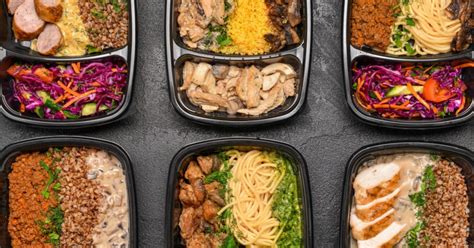
Equally important is the quality of your protein sources. Prioritize whole, unprocessed foods rich in essential amino acids. Excellent sources include lean meats, poultry, fish, eggs, dairy products (milk, yogurt, cottage cheese), legumes, and soy products. While supplements like whey or casein protein can be convenient, they should complement, not replace, a diet rich in whole food proteins.
Practical Tips for Meeting Your Protein Goals
Achieving a high daily protein intake might seem daunting, but with a strategic approach, it’s very manageable:
- Plan Your Meals: Include a protein source at every main meal and snack.
- Smart Snacking: Opt for protein-rich snacks like Greek yogurt, cottage cheese, hard-boiled eggs, nuts, or a protein shake.
- Lean Meat Portions: Aim for palm-sized portions of lean meat, fish, or poultry with lunch and dinner.
- Dairy Power: Incorporate milk, cheese, or yogurt into your diet.
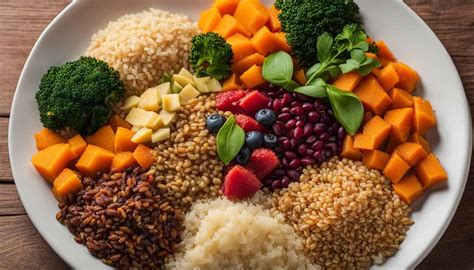
- Legumes and Grains: Combine plant-based proteins like beans, lentils, and quinoa to create complete protein profiles.

Conclusion
To truly optimize muscle recovery, growth, and overall athletic performance, consistently consuming adequate protein is non-negotiable. Aim for a daily intake of 1.6 to 2.2 grams of protein per kilogram of body weight, distributed strategically throughout the day, and prioritize high-quality protein sources. By tailoring your protein intake to your unique needs and goals, you’ll provide your body with the essential tools it needs to adapt, grow, and perform at its peak.