



Smart wearable: Best tech for optimizing peak performance & recovery?

The Revolution of Wearable Technology in Fitness
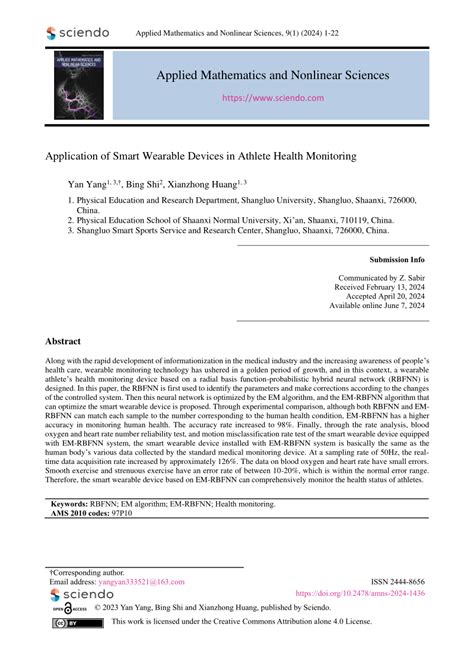
In an era driven by data, smart wearables have revolutionized how we approach fitness, health, and athletic performance. No longer just fancy step counters, these sophisticated devices are powerful tools, providing an unprecedented look into our body’s most intricate functions. From elite athletes striving for marginal gains to everyday fitness enthusiasts aiming for better health, smart wearables offer a personalized roadmap to optimizing both output and recuperation.
Decoding Performance: Metrics That Matter
Optimizing peak performance isn’t just about training harder; it’s about training smarter. Smart wearables provide crucial data points that go far beyond traditional metrics. Heart rate variability (HRV), for instance, offers a window into the state of your autonomic nervous system, indicating your body’s readiness for stress and recovery. Continuous heart rate monitoring, GPS tracking, and advanced accelerometers combine to paint a comprehensive picture of your activity levels, training intensity, and caloric expenditure.
Devices can track specific workout types, measure power output for cyclists, analyze running dynamics for runners, and even estimate VO2 Max – a key indicator of cardiovascular fitness. This granular data allows users to fine-tune their training regimens, identify plateaus, and make informed decisions to push their boundaries safely and effectively.
The Critical Role of Recovery in Peak Performance
While performance metrics are vital, the true game-changer for many users is the deep insight into recovery. Recovery is not merely a passive state; it’s an active process essential for muscle repair, energy replenishment, and preventing overtraining. Smart wearables excel in this domain by tracking sleep quality, a cornerstone of effective recovery.
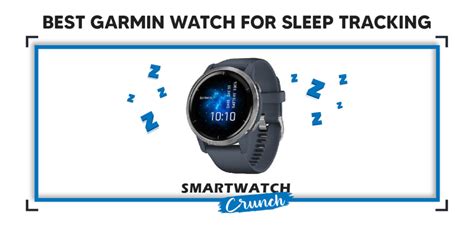
Through sensors that monitor sleep stages (REM, light, deep), duration, and disturbances, these devices provide actionable advice to improve sleep hygiene. Beyond sleep, many wearables now incorporate stress tracking, often derived from heart rate data, to help users understand their daily physiological load. A ‘readiness score’ – a common feature in many high-end wearables – synthesizes various data points like sleep, HRV, and recent activity to give a single, easy-to-understand metric indicating whether your body is ready for another intense workout or if it needs more rest.
Key Features to Look For in a Performance & Recovery Wearable
When selecting a smart wearable, consider features that align with your specific goals:
- Advanced Biometric Sensors: Look for accurate heart rate, HRV, skin temperature, and potentially blood oxygen (SpO2) tracking.
- GPS & Activity Tracking: Essential for outdoor sports and accurate distance/pace measurements.
- Sleep Analysis: Detailed sleep stage tracking and actionable insights.
- Recovery & Readiness Scores: Consolidated metrics to guide training decisions.
- Robust App Ecosystem: An intuitive app with clear data visualization and integration with other fitness platforms.
- Battery Life: Crucial for continuous monitoring without constant recharging.
- Durability & Comfort: Suitable for your activities and comfortable for 24/7 wear.
Beyond Data: Personalized Coaching and Predictive Analytics
The latest generation of smart wearables is moving beyond simply presenting data; they’re offering personalized coaching and predictive analytics. Algorithms are becoming more sophisticated, learning individual baselines and patterns to provide tailored recommendations. This might include suggestions for optimal training zones, alerts for potential overtraining, or advice on when to prioritize rest based on an accumulating fatigue load.
Some devices even integrate with AI-driven platforms that can adapt workout plans in real-time, making these wearables not just trackers but intelligent training partners. This move towards personalized, dynamic guidance truly elevates them as essential tools for anyone serious about performance and recovery.
Is a Smart Wearable the Best Tech for You?
For individuals committed to understanding their bodies better, optimizing their physical output, and ensuring effective recovery, smart wearables are undeniably a powerful asset. They provide objective data that removes guesswork, enabling more intelligent training, better rest, and ultimately, a more sustainable path to reaching fitness and performance goals.
While they are not a magic bullet, the continuous, actionable insights offered by these devices make them an indispensable piece of gear for anyone looking to truly unlock their body’s potential. As technology advances, we can only expect these intelligent companions to become even more sophisticated, further blurring the lines between personal health and cutting-edge technology.