



Maximize male hormone health via fitness for peak energy & strength?

Unlocking Peak Male Vitality Through Strategic Fitness
For men seeking to reclaim peak energy, strength, and an overall sense of well-being, the intricate connection between fitness and hormone health is a game-changer. Beyond just building muscle or shedding fat, a well-rounded fitness regimen can profoundly influence the production and balance of crucial male hormones, most notably testosterone. Understanding this relationship and applying targeted strategies can unlock a renewed vitality that permeates every aspect of life.
The Hormonal Orchestra: Why It Matters
At the heart of male health lies testosterone, the primary male sex hormone. It plays a critical role in muscle mass, bone density, fat distribution, red blood cell production, libido, mood, and energy levels. As men age, testosterone levels naturally begin to decline, often leading to symptoms like fatigue, decreased strength, reduced sex drive, and mood disturbances. While this decline is inevitable, its rate and severity can be significantly influenced by lifestyle choices, with fitness being a leading factor.

Other hormones, such as Growth Hormone (GH) and Insulin-like Growth Factor 1 (IGF-1), also contribute to muscle growth, recovery, and overall vitality, and are likewise responsive to exercise.
Strength Training: The Cornerstone of Testosterone Production
If there’s one fitness modality that stands out for its direct impact on male hormone health, it’s resistance training. Lifting weights, using bodyweight exercises, or working with resistance bands signals to the body a need for more muscle, which in turn stimulates testosterone production. The key lies in:
- Compound Movements: Exercises that engage multiple muscle groups simultaneously, like squats, deadlifts, bench presses, overhead presses, and rows, are highly effective. They stimulate a larger hormonal response due to the significant stress placed on the body.
- Intensity and Volume: Training with challenging weights that allow for 6-12 repetitions per set, and accumulating sufficient training volume, has been shown to optimize acute and chronic testosterone levels.
- Progressive Overload: Consistently challenging your muscles by gradually increasing weight, reps, or reducing rest times is crucial for continued adaptation and hormonal stimulation.
Cardiovascular Health and Hormone Balance
While strength training takes center stage, cardiovascular fitness also plays a vital supporting role. Moderate intensity cardio can improve overall health, reduce body fat (excess body fat can convert testosterone into estrogen), and enhance circulation, all of which indirectly support hormone balance. However, the caveat is moderation. Excessive, prolonged endurance training without adequate recovery can actually increase cortisol (a stress hormone) and potentially suppress testosterone. Aim for a balanced approach, incorporating 2-3 sessions of moderate-intensity cardio per week, or short bursts of High-Intensity Interval Training (HIIT).

The Underrated Power of Recovery and Sleep
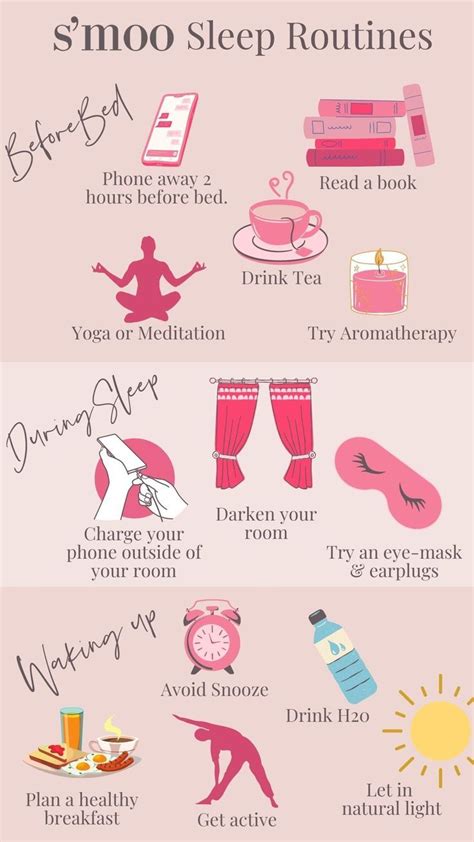
Exercise is a stimulus, but hormones are produced and muscles are repaired during rest. Inadequate sleep is a powerful suppressor of testosterone. Studies show that even a week of sleep restriction can significantly lower testosterone levels in healthy young men. Aim for 7-9 hours of quality sleep per night. Furthermore, incorporating active recovery days, stretching, and mindfulness practices can reduce overall stress and help maintain optimal hormonal profiles.
Nutrition: Fueling Your Hormones
Your diet is inseparable from your hormone health. To support robust testosterone production and overall well-being:
- Healthy Fats: Ensure adequate intake of healthy fats (avocado, nuts, seeds, olive oil, fatty fish) as cholesterol is a precursor to testosterone.
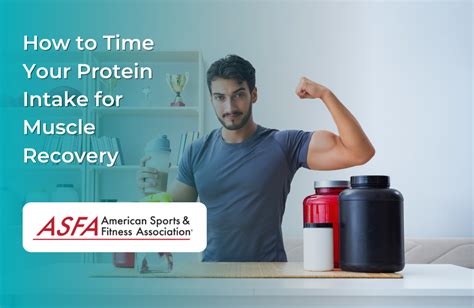
- Protein: Sufficient protein intake supports muscle repair and growth, which is intrinsically linked to testosterone’s anabolic effects.
- Micronutrients: Zinc, Vitamin D, and Magnesium are particularly important for testosterone synthesis. Ensure a diet rich in fruits, vegetables, and whole grains, or consider targeted supplementation if deficient.
- Limit Processed Foods and Sugar: These can contribute to inflammation and insulin resistance, both of which negatively impact hormone health.

Beyond the Gym: A Holistic Approach
While fitness is a powerful tool, it’s part of a larger lifestyle mosaic. Managing stress effectively, limiting alcohol consumption, and avoiding environmental toxins known as endocrine disruptors are also critical for maintaining hormonal equilibrium. View your fitness journey not just as a means to build a physique, but as a comprehensive strategy for optimizing your internal chemistry.

Embrace the Journey to Peak Vitality
Maximizing male hormone health through fitness is not about quick fixes; it’s about consistent, intelligent effort coupled with a holistic lifestyle. By prioritizing strength training, balancing cardio, ensuring ample recovery, and nourishing your body with nutrient-dense foods, you create an environment where your hormones can thrive. The reward? Not just increased muscle and strength, but enhanced energy, improved mood, greater resilience, and a profound sense of peak vitality that empowers you to live life to the fullest.