




Natural ways to boost male testosterone & drive for peak performance?
Understanding Testosterone’s Role in Male Health
Testosterone is a pivotal hormone in men, influencing much more than just sex drive. It plays a crucial role in maintaining muscle mass, bone density, fat distribution, red blood cell production, mood, and energy levels. As men age, testosterone levels naturally decline, often leading to symptoms like decreased libido, fatigue, difficulty building muscle, and mood changes. While various medical interventions exist, many men seek natural approaches to support their body’s inherent testosterone production and restore their drive for peak performance.
The good news is that numerous lifestyle adjustments, dietary changes, and natural remedies can significantly impact your testosterone levels. By focusing on holistic well-being, you can empower your body to optimize its hormonal balance and enhance your overall vitality.

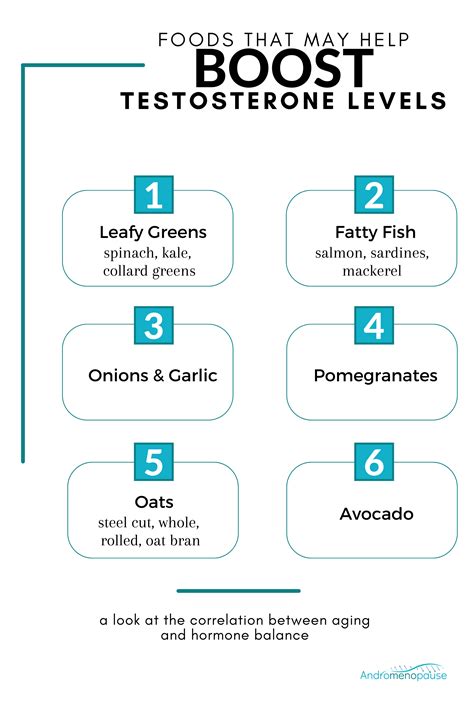
Dietary Powerhouses for Testosterone Production
What you eat directly impacts your hormone health. Certain nutrients are vital for testosterone synthesis and regulation.
- Zinc: This mineral is critical for testosterone production. Oysters are famously rich in zinc, but you can also find it in red meat, poultry, beans, nuts, and dairy products.
- Vitamin D: Often called the ‘sunshine vitamin,’ Vitamin D acts like a steroid hormone in the body and has been strongly linked to testosterone levels. Spend time in the sun, consume fatty fish (salmon, mackerel), or consider a high-quality supplement.
- Healthy Fats: Cholesterol is a precursor to testosterone, so consuming healthy fats is essential. Include avocados, nuts, seeds, olive oil, and fatty fish in your diet. Avoid excessive saturated and trans fats.
- Magnesium: Found in leafy greens, nuts, seeds, and whole grains, magnesium can increase free and total testosterone levels.
- Cruciferous Vegetables: Broccoli, cauliflower, and Brussels sprouts contain compounds that help the body metabolize excess estrogen, which can indirectly support higher testosterone levels.
Exercise Smart, Not Just Hard
Physical activity is a powerful testosterone booster, but the type of exercise matters.
- Strength Training: Lifting weights or performing resistance exercises stimulates testosterone release. Focus on compound movements like squats, deadlifts, bench presses, and rows, which engage multiple muscle groups.
- High-Intensity Interval Training (HIIT): Short bursts of intense exercise followed by brief recovery periods can also effectively raise testosterone and growth hormone levels.
- Avoid Overtraining: While exercise is beneficial, excessive or chronic endurance training without adequate recovery can actually suppress testosterone. Listen to your body and prioritize recovery.

Prioritize Quality Sleep
Sleep is when your body repairs and regenerates, including hormone production. Chronic sleep deprivation can significantly reduce testosterone levels.
- Aim for 7-9 hours of quality sleep per night.
- Establish a consistent sleep schedule.
- Create a relaxing bedtime routine and optimize your sleep environment (dark, quiet, cool).
- Avoid screens and stimulants before bed.

Manage Stress Effectively
Chronic stress elevates cortisol, the stress hormone, which has an inverse relationship with testosterone. When cortisol levels are high, testosterone tends to be low.
- Practice stress-reduction techniques like meditation, deep breathing exercises, yoga, or spending time in nature.
- Engage in hobbies and activities that you enjoy to de-stress.
- Consider mindfulness practices to improve your response to daily stressors.

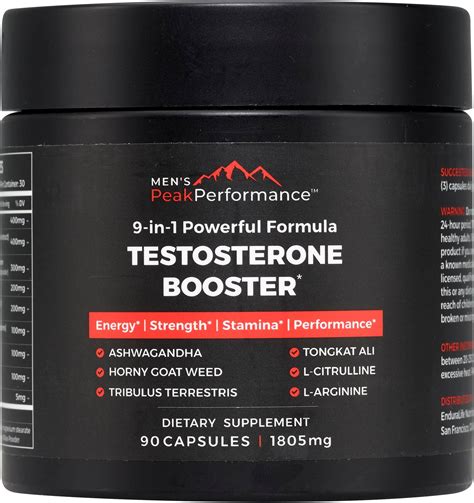
Consider Targeted Supplements (Wisely)
While diet and lifestyle are primary, certain natural supplements can offer additional support. Always consult a healthcare professional before starting any new supplement regimen.
- Ashwagandha: An adaptogenic herb, studies suggest it can reduce stress and improve testosterone levels, especially in men experiencing stress or fertility issues.
- Fenugreek: This herb has shown promise in boosting free and total testosterone levels, as well as improving libido.
- D-Aspartic Acid (DAA): An amino acid that may play a role in regulating testosterone synthesis and release.
- Ginger: Some research indicates ginger may improve reproductive hormone levels in men.

Lifestyle Tweaks for Optimal Hormone Health
- Limit Alcohol Consumption: Excessive alcohol intake can negatively impact testosterone production.
- Maintain a Healthy Weight: Obesity is strongly linked to lower testosterone levels. Losing excess weight can significantly improve your hormonal profile.
- Avoid Endocrine Disruptors: Be mindful of exposure to chemicals like BPA (found in plastics) and phthalates, which can mimic hormones and interfere with your body’s natural balance.
Conclusion
Boosting male testosterone and drive naturally involves a multi-faceted approach centered on a healthy lifestyle. By optimizing your diet, incorporating effective exercise, prioritizing sleep, managing stress, and considering targeted supplements, you can significantly enhance your body’s natural ability to produce testosterone. These strategies not only aim to elevate your hormone levels but also contribute to a greater sense of well-being, improved energy, and a sustained drive for peak performance in all aspects of life.