


Optimizing male testosterone & vitality: Actionable lifestyle changes?
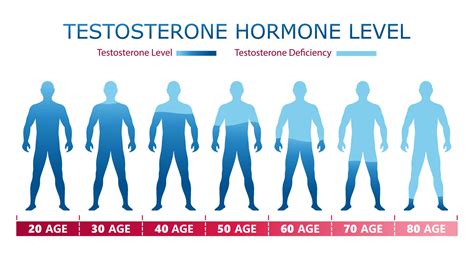
For many men, maintaining optimal testosterone levels is crucial not just for muscle mass and libido, but for overall energy, mood, cognitive function, and metabolic health. As men age, testosterone levels can naturally decline, but modern lifestyles often accelerate this process. The good news is that significant improvements can often be achieved through actionable, sustainable lifestyle changes rather than relying solely on external interventions.
The Foundation: Nutrient-Dense Nutrition
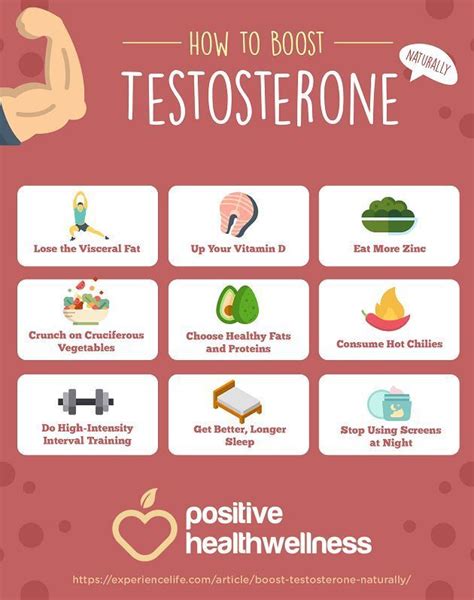
Your diet plays a pivotal role in hormone production. Focusing on whole, unprocessed foods is paramount. Ensure a balanced intake of macronutrients: healthy fats (avocado, nuts, olive oil), quality proteins (lean meats, fish, eggs), and complex carbohydrates (whole grains, vegetables, fruits).
- Healthy Fats: Cholesterol, a precursor to testosterone, comes from fats. Include monounsaturated and polyunsaturated fats.
- Protein: Essential for muscle maintenance and overall health, aiding in hormone synthesis indirectly.
- Micronutrients: Zinc (oysters, beef, pumpkin seeds) and Vitamin D (fatty fish, fortified foods, sunlight exposure) are critical for testosterone production. Magnesium also plays a key role.
- Limit Processed Foods: High sugar intake and ultra-processed foods can lead to insulin resistance and inflammation, negatively impacting hormone balance.

The Power of Movement: Strategic Exercise
Not all exercise is created equal when it comes to testosterone. While regular physical activity is always beneficial, certain types have a more pronounced impact on hormone levels.
- Strength Training: Lifting heavy weights, especially compound movements (squats, deadlifts, bench press), has been consistently shown to boost testosterone. Aim for 3-4 sessions per week.
- High-Intensity Interval Training (HIIT): Short bursts of intense activity followed by brief recovery periods can also stimulate testosterone release.
- Avoid Overtraining: Chronic, exhaustive cardio without adequate recovery can increase cortisol (stress hormone) and potentially lower testosterone. Listen to your body and prioritize recovery.
Rest & Recovery: The Sleep Imperative
Sleep deprivation is a silent killer of testosterone. The majority of your daily testosterone production occurs during sleep, particularly during REM sleep. Chronic lack of sleep can significantly reduce levels.
- Aim for 7-9 Hours: Consistency is key. Go to bed and wake up around the same time each day, even on weekends.
- Optimize Sleep Environment: Ensure your bedroom is dark, quiet, and cool. Avoid screens (phones, tablets, computers) for at least an hour before bed.
- Mindful Evening Routine: Incorporate relaxing activities like reading, stretching, or a warm bath to signal your body it’s time to wind down.

Mastering the Mind: Stress Management
Chronic stress elevates cortisol, the body’s primary stress hormone. High cortisol levels can directly suppress testosterone production, as the body prioritizes survival (fight or flight) over reproductive functions.
- Practice Mindfulness: Meditation, deep breathing exercises, and yoga can help reduce stress and lower cortisol levels.
- Time Management: Prioritize tasks and learn to say no to avoid feeling overwhelmed.
- Hobbies & Social Connection: Engage in activities you enjoy and spend time with loved ones to foster a sense of well-being and reduce stress.

Beyond the Basics: Other Lifestyle Hacks
- Limit Alcohol: Excessive alcohol consumption can interfere with testosterone production and metabolism.
- Avoid Endocrine Disruptors: Be mindful of plastics (BPA, phthalates) and certain chemicals in personal care products and pesticides, which can mimic or block hormones.
- Maintain a Healthy Weight: Obesity, particularly abdominal fat, increases aromatase activity, an enzyme that converts testosterone into estrogen. Losing excess weight can significantly improve testosterone levels.

Optimizing male testosterone and vitality is a holistic endeavor. There’s no single magic bullet, but rather a synergistic approach integrating smart nutrition, strategic exercise, quality sleep, and effective stress management. By consistently implementing these actionable lifestyle changes, men can naturally support their hormonal health, leading to enhanced energy, mood, strength, and overall quality of life.