


How to boost low T naturally for peak male performance & vitality?
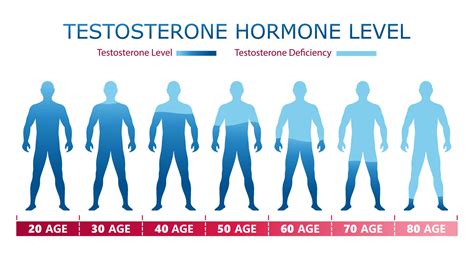
Low testosterone (low T) can significantly impact a man’s overall well-being, affecting energy levels, muscle mass, mood, and sexual health. While medical interventions exist, many men are keen to explore natural pathways to optimize their hormone levels and reclaim peak performance and vitality. Boosting T naturally involves a holistic approach that targets key areas of health and lifestyle.
Understanding Low T and Its Impact
Testosterone, the primary male sex hormone, plays a crucial role in numerous bodily functions. A decline in its levels can manifest as fatigue, decreased libido, erectile dysfunction, reduced muscle mass and strength, increased body fat, and even mood disturbances like irritability and depression. Identifying these symptoms is the first step towards addressing the issue, and thankfully, there are several powerful natural strategies you can implement.

Diet: Fueling Your Testosterone Production
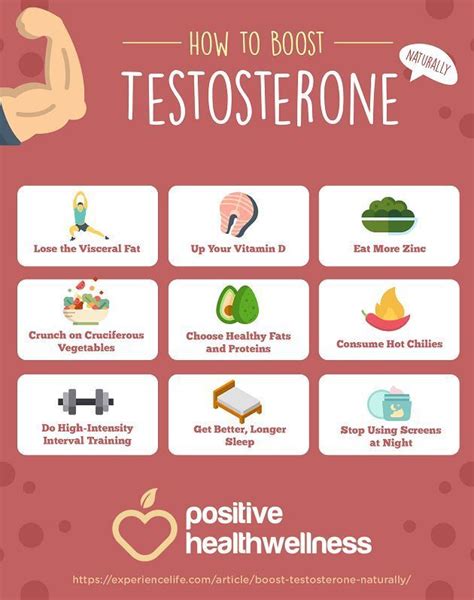
What you eat directly impacts your hormonal balance. To naturally support testosterone production, focus on a nutrient-dense diet rich in whole foods:
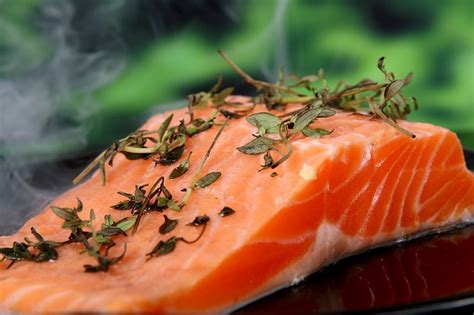
- Healthy Fats: Don’t shy away from healthy fats found in avocados, nuts, seeds, olive oil, and fatty fish (salmon, mackerel). These are crucial for hormone synthesis.
- Lean Protein: Adequate protein intake from sources like chicken, turkey, lean beef, eggs, and legumes supports muscle maintenance and overall health, indirectly benefiting T levels.
- Micronutrients: Zinc and Vitamin D are paramount. Foods rich in zinc include oysters, red meat, and pumpkin seeds. Sunlight is the best source of Vitamin D, but you can also find it in fortified foods and fatty fish. Magnesium, found in leafy greens and nuts, also plays a role.
- Avoid Processed Foods: Limit refined sugars, unhealthy trans fats, and highly processed foods, which can contribute to inflammation and negatively impact hormone levels.
Exercise: The T-Boosting Workout Regimen
Regular physical activity, especially certain types, is a potent natural testosterone booster:
- Strength Training: Lifting weights or performing resistance exercises (bodyweight, bands) stimulates testosterone production. Focus on compound movements like squats, deadlifts, bench presses, and rows, which engage multiple muscle groups. Aim for 3-4 sessions per week.
- High-Intensity Interval Training (HIIT): Short bursts of intense exercise followed by brief recovery periods can also be highly effective in elevating T levels. Incorporate HIIT into your routine 1-2 times a week.
- Avoid Overtraining: While exercise is vital, excessive or prolonged endurance training without adequate recovery can sometimes depress testosterone. Listen to your body and ensure proper rest.
Lifestyle: Optimize for Hormonal Harmony
Beyond diet and exercise, several lifestyle factors profoundly influence your testosterone levels:
- Prioritize Sleep: Quality sleep is non-negotiable for hormone regulation. Aim for 7-9 hours of uninterrupted sleep per night. Sleep deprivation can drastically reduce T levels.
- Manage Stress: Chronic stress elevates cortisol, the stress hormone, which can suppress testosterone production. Incorporate stress-reduction techniques like meditation, deep breathing, yoga, or spending time in nature.
- Maintain a Healthy Weight: Obesity, particularly excess belly fat, is strongly linked to lower testosterone. Losing weight, especially through diet and exercise, can significantly improve T levels.
- Limit Alcohol: Excessive alcohol consumption can interfere with T production and metabolism. Moderate your intake.

Strategic Supplementation (With Caution)
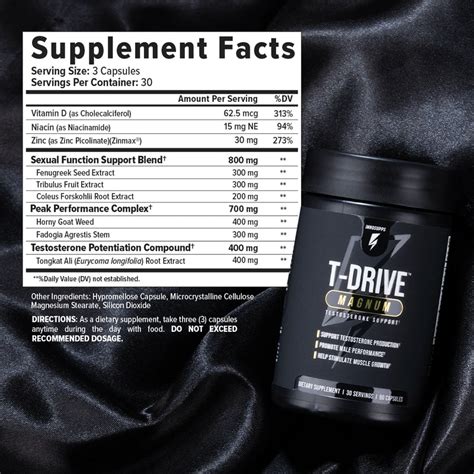
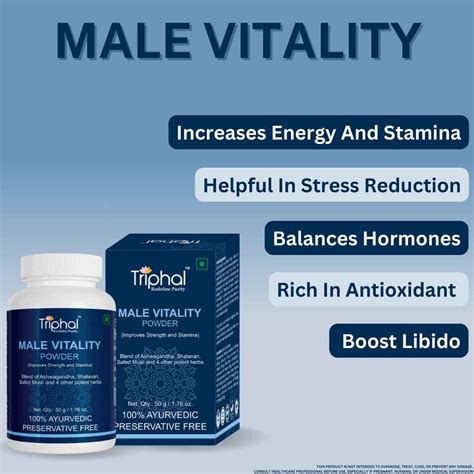
While a foundational diet and lifestyle are primary, certain supplements can offer additional support. Always consult a healthcare professional before starting any new supplement regimen:
- Vitamin D: If your levels are low, supplementation can be highly beneficial.
- Zinc & Magnesium: Deficiencies in these minerals are common and can impact T.
- Ashwagandha: An adaptogenic herb shown in some studies to reduce stress and improve testosterone levels.
- Fenugreek: Some research suggests it may help improve libido and T levels.
- Shilajit: An ancient Ayurvedic substance that may support energy and testosterone.
Remember that supplements are intended to complement, not replace, a healthy lifestyle.
Conclusion: Your Path to Peak Vitality
Boosting low testosterone naturally is an achievable goal that requires commitment to a comprehensive lifestyle approach. By optimizing your diet, engaging in targeted exercise, prioritizing sleep, managing stress, and considering strategic supplementation under professional guidance, you can significantly improve your hormonal health. Embrace these natural strategies to unlock enhanced energy, improved mood, and renewed male performance and vitality, paving the way for a more robust and fulfilling life.