


How to break workout plateaus and keep gaining strength for peak performance?

Understanding Workout Plateaus: Why They Happen
Every dedicated lifter eventually encounters a workout plateau – that frustrating point where progress grinds to a halt. You’re putting in the work, but your lifts aren’t increasing, and your physique seems stagnant. Plateaus are a natural part of the strength-building journey, signifying that your body has adapted to the current stimulus. To continue making gains, you need to introduce new challenges that force your body to adapt further. Ignoring a plateau can lead to demotivation and even overtraining. Recognizing the signs and understanding the underlying causes – which can range from insufficient progressive overload to poor recovery – is the first step towards smashing through them.

Strategic Training Adjustments: Re-evaluating Your Routine
The most common reason for a plateau is a lack of progressive overload. Your muscles need increasing resistance, volume, or intensity to continue growing stronger. If you’ve been doing the same exercises with the same weights and reps for weeks, it’s time for a change. Here are several effective strategies:
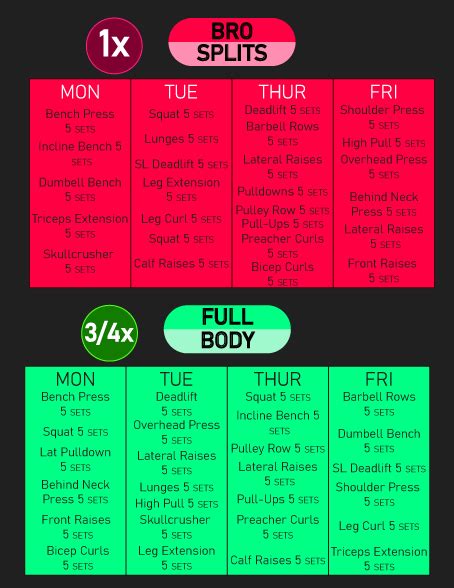
- Vary Rep Ranges and Sets: Don’t stick to just 3 sets of 10 reps. Incorporate powerlifting-style heavy sets (e.g., 5×5) for strength, and higher rep schemes (e.g., 3×12-15) for hypertrophy and endurance.
- Introduce New Exercises: Swap out a staple exercise for a similar but different movement. For instance, if your barbell bench press is stalled, try dumbbell bench press, incline press, or dips for a few weeks.
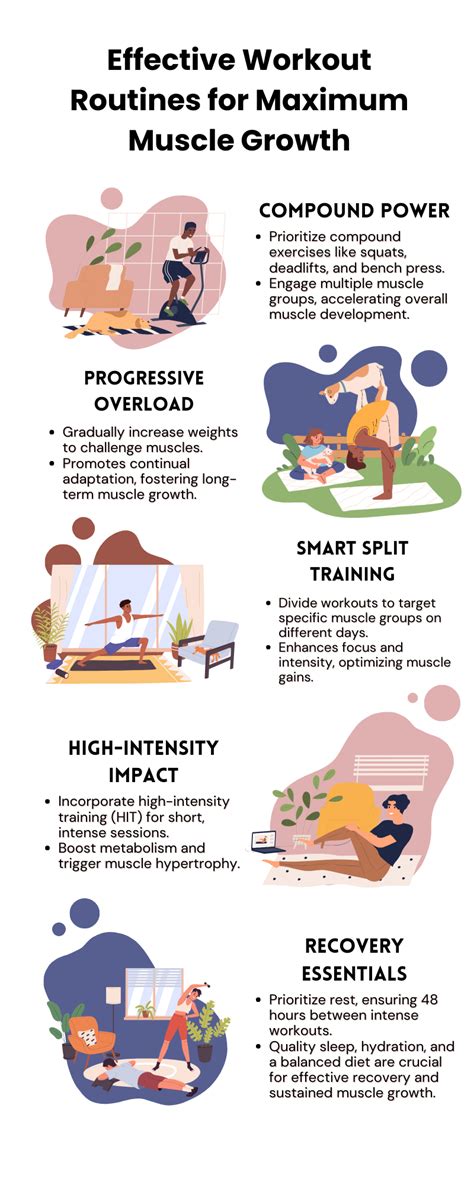
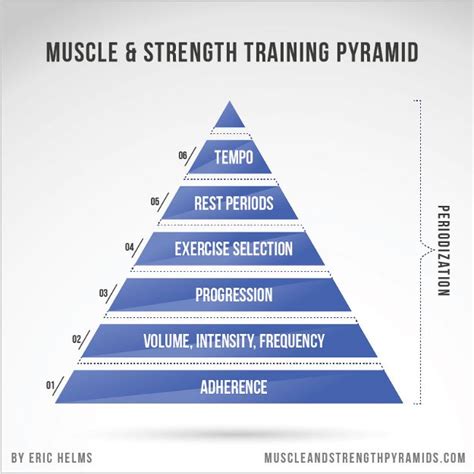
- Implement Periodization: Structured cycling of training intensity and volume. This could involve deload weeks (reduced intensity/volume) to allow for recovery, or rotating through strength, hypertrophy, and endurance phases.
- Focus on Tempo and Time Under Tension: Slowing down the eccentric (lowering) phase of a lift can create more muscle damage and stimulate growth.
- Advanced Techniques: Consider incorporating dropsets, supersets, rest-pause sets, or forced reps (with a spotter) to push past failure and shock your muscles.
Optimize Nutrition and Recovery for Consistent Gains
Your performance in the gym is only as good as your recovery outside of it. Many plateaus are rooted in inadequate nutrition or insufficient rest. To break through, prioritize these elements:

- Caloric Intake: Ensure you’re in a slight caloric surplus if your goal is strength and muscle gain. You can’t build something from nothing.
- Protein Intake: Aim for 1.6-2.2 grams of protein per kilogram of body weight to support muscle repair and growth. Distribute this intake evenly throughout the day.
- Micronutrients: Don’t neglect fruits, vegetables, and whole grains for essential vitamins, minerals, and fiber, which are crucial for overall health and performance.
- Hydration: Dehydration can severely impact strength and endurance. Drink plenty of water throughout the day.
- Sleep: Aim for 7-9 hours of quality sleep per night. This is when your body repairs itself, releases growth hormones, and consolidates adaptations from your training.
- Stress Management: Chronic stress can elevate cortisol levels, hindering recovery and muscle growth. Incorporate relaxation techniques like meditation or light stretching.

Form, Mindset, and Tracking Your Progress
Sometimes, the solution isn’t about doing more, but doing it better. Poor form not only increases injury risk but also limits your ability to lift heavier safely and effectively target the intended muscles. Dedicate time to perfecting your technique, even if it means temporarily reducing the weight. Additionally, your mental approach plays a significant role.
- Perfect Your Form: Record yourself, use mirrors, and don’t be afraid to deload to master the movement pattern. Proper form ensures you’re working the right muscles and maximizing efficiency.
- Set New Goals: If your current goals feel distant or repetitive, set smaller, more achievable milestones. This can re-energize your motivation.
- Track Everything: Keep a detailed workout journal. Log sets, reps, weights, rest times, and even how you felt during the session. This data is invaluable for identifying patterns and making informed adjustments.

The Power of Deloads and Active Recovery
Often overlooked, planned deload weeks can be the secret weapon against persistent plateaus. A deload involves significantly reducing your training volume and/or intensity for a week, typically every 4-8 weeks depending on your training intensity. This allows your central nervous system to recover, repairs accumulated micro-trauma, and prevents burnout. After a proper deload, many lifters find they come back stronger and ready to hit new personal bests.
Active recovery, such as light cardio, stretching, foam rolling, or yoga, also plays a vital role. It helps improve blood flow to tired muscles, reduces soreness, and enhances flexibility without adding significant stress. Incorporate active recovery on your rest days to accelerate your body’s repair processes and prepare for your next intense session.

Conclusion: Consistency and Adaptability are Key
Breaking workout plateaus is less about finding a magic bullet and more about consistent application of intelligent training, nutrition, and recovery principles. View plateaus not as failures, but as signals that your body is ready for a new challenge. By continually evaluating your program, optimizing your lifestyle factors, and being patient yet persistent, you can consistently break through barriers, gain strength, and achieve peak performance in your fitness journey. Remember, progress isn’t linear, but with smart strategies, it’s always possible.