


Optimize shave: Prevent ingrowns & razor burn for peak sharpness?

The Quest for the Perfect Shave
For many, shaving is a daily ritual, yet for others, it’s a constant battle against irritation, redness, and discomfort. The pursuit of a perfectly smooth, irritation-free shave, often referred to as ‘peak sharpness,’ is a shared goal. Achieving this involves more than just a sharp razor; it requires a strategic approach to preparation, technique, and aftercare. This guide will equip you with the knowledge to banish ingrown hairs and razor burn, transforming your shaving routine into a truly refined grooming experience.
Understanding the Enemies: Ingrown Hairs and Razor Burn
Before we can prevent them, it’s crucial to understand what causes these common shaving woes. Ingrown hairs occur when a shaved hair curls back and grows into the skin, leading to red, itchy bumps that can sometimes become infected. They are particularly common for individuals with curly or coarse hair.
Razor burn, on the other hand, is acute skin irritation caused by a variety of factors including dull blades, dry shaving, excessive pressure, or shaving against the grain. It manifests as redness, stinging, tenderness, and sometimes small, fluid-filled bumps, often appearing immediately after shaving.
The Foundation: Pre-Shave Preparation
A successful shave begins long before the blade touches your skin. Proper preparation is the most critical step in preventing irritation.
- Exfoliate: Gently exfoliate your skin 1-2 times a week to remove dead skin cells that can trap hairs, contributing to ingrowns.
- Warm Water: Wash your face with warm water or apply a warm towel for a few minutes. This softens your beard hair and opens up pores, making the hairs easier to cut.
- Pre-Shave Oil: Apply a few drops of pre-shave oil. This creates a protective barrier between your skin and the blade, enhancing glide and reducing friction.

Mastering the Blade: Shaving Technique
Your technique is paramount. Even with the best preparation, poor shaving habits can lead to irritation.
- Sharp Blade is Key: Always use a sharp, clean razor blade. A dull blade tugs at hairs rather than cutting them cleanly, increasing the risk of ingrowns and razor burn. Replace cartridge blades after 5-7 uses, and safety razor blades every 2-3 shaves.
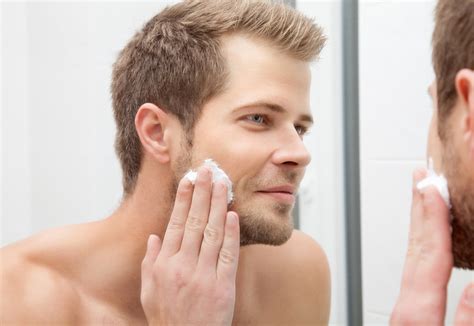
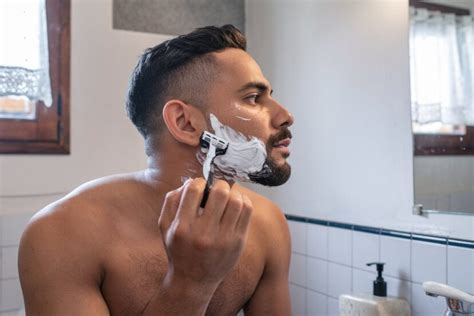
- Quality Shaving Cream/Gel: Use a rich, lubricating shaving cream or gel. Apply it generously to create a thick lather that lifts the hairs and provides a cushion for the blade. Let it sit for a minute or two before shaving.
- Shave with the Grain: For most people, shaving with the grain (in the direction your hair grows) is the best way to prevent irritation. While shaving against the grain can give a closer shave, it significantly increases the risk of ingrowns and razor burn.
- Light Pressure, Short Strokes: Let the razor do the work. Apply minimal pressure and use short, controlled strokes. Rinsing your blade frequently under hot water prevents clogging and keeps it performing optimally.
Soothing and Protecting: Post-Shave Rituals
The job isn’t done once the last hair is cut. Post-shave care is crucial for calming the skin and preventing issues.
- Rinse with Cold Water: After shaving, rinse your face thoroughly with cold water. This helps to close pores and soothe the skin.
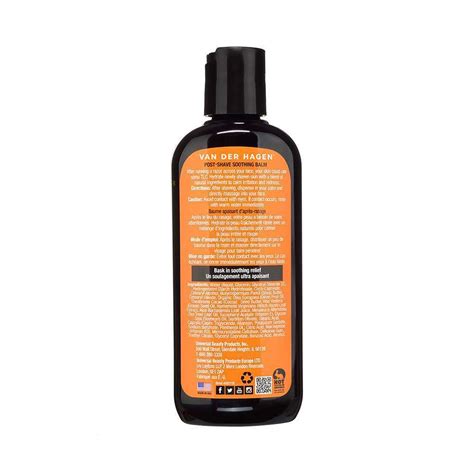
- Aftershave Balm (Alcohol-Free): Apply an alcohol-free aftershave balm. Alcohol-based aftershaves can dry out and irritate freshly shaved skin. Balms provide hydration and contain ingredients that reduce redness and inflammation.
- Moisturize: Follow up with a good quality facial moisturizer to keep your skin hydrated and supple throughout the day.
Beyond the Basics: Advanced Tips for a Superior Shave
For those seeking to elevate their shaving game even further, consider these advanced practices:
- Invest in a Shaving Brush: A good quality badger or synthetic brush helps to lift hairs, create a richer lather, and gently exfoliate the skin.
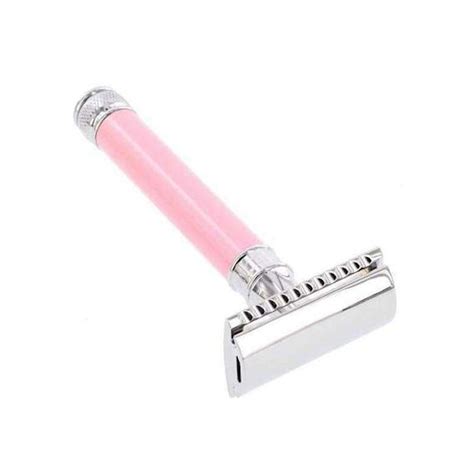
- Consider a Safety Razor: Double-edge safety razors often provide a closer shave with less irritation, as they typically feature a single, sharp blade that cuts hair cleanly without multiple passes. They also tend to be more economical in the long run.
- Blade Maintenance: Store your razor in a dry place to prevent rust and bacterial growth. If using a straight razor or shavette, ensure it’s properly stropped and sterilized.

When Things Go Wrong: Dealing with Existing Issues
Even with the best practices, occasional ingrowns or razor burn can occur. Here’s how to address them:
- Warm Compress: For ingrown hairs, apply a warm compress to the affected area to help open the pore and encourage the hair to surface.
- Spot Treatments: Use products containing salicylic acid or glycolic acid to gently exfoliate and treat ingrowns. For razor burn, soothing creams with aloe vera or hydrocortisone can provide relief.
- Don’t Pick: Avoid picking or squeezing ingrown hairs, as this can lead to infection and scarring.
- Take a Break: If irritation is severe, consider taking a break from shaving for a few days to allow your skin to heal.
Conclusion
Achieving a smooth, sharp, and irritation-free shave is an attainable goal. By integrating these pre-shave, shaving, and post-shave techniques into your routine, you can significantly reduce the occurrence of ingrown hairs and razor burn. Embrace the process, be patient with your skin, and enjoy the confidence that comes with a perfectly optimized shave. Your skin will thank you for it.