


Optimize strength & recovery for peak male performance?

Unlocking Your Full Potential: The Synergy of Strength and Recovery
In the relentless pursuit of peak male performance, the modern man faces a unique set of challenges. It’s not just about lifting heavy or pushing limits; it’s about intelligently designing a lifestyle that supports sustained physical prowess, mental acuity, and robust health. This guide delves into the crucial interplay between optimized strength training and meticulous recovery strategies, the twin pillars upon which true peak performance is built.
Forget fleeting fads and quick fixes. We’re talking about a sustainable, science-backed approach that empowers you to build formidable strength, enhance your resilience, and unlock a level of performance you might not have thought possible.

Mastering Strength Training for Superior Gains
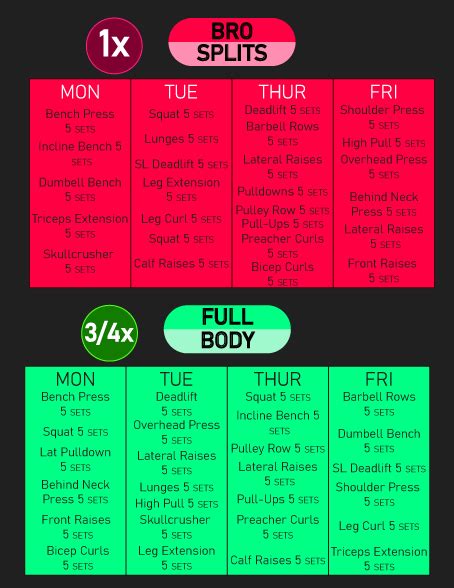
Strength training is the cornerstone of male performance, but it’s the type of training that truly matters. To optimize strength, focus on compound movements that engage multiple muscle groups simultaneously. Exercises like squats, deadlifts, bench presses, overhead presses, and rows should form the bedrock of your routine.
- Progressive Overload: Consistently challenge your muscles by gradually increasing weight, reps, sets, or decreasing rest times. This fundamental principle forces adaptation and growth.
- Proper Form: Prioritize impeccable technique over ego lifting. Poor form not only increases injury risk but also reduces the effectiveness of the exercise. Invest time in learning and perfecting each movement.
- Periodization: Vary your training intensity and volume over cycles to prevent plateaus and allow for planned recovery. This could involve alternating between high-intensity weeks and deload weeks.
- Volume and Intensity: Find the sweet spot. For strength, focus on lower reps (1-6) with higher intensity, while for hypertrophy (muscle growth), moderate reps (6-12) with moderate intensity are often optimal.
Remember, consistency trumps intensity. A well-planned, consistent training regimen will always yield better long-term results than sporadic, intense bursts.

Fueling the Machine: Nutrition for Performance and Recovery
What you put into your body directly impacts your strength, energy levels, and ability to recover. Optimal nutrition is non-negotiable for peak performance.
- Protein: The building block of muscle. Aim for 1.6-2.2 grams of protein per kilogram of body weight daily, spread throughout your meals to support muscle protein synthesis.
- Complex Carbohydrates: Your primary energy source. Whole grains, fruits, and vegetables provide sustained energy for workouts and replenish glycogen stores post-exercise.
- Healthy Fats: Crucial for hormone production, nutrient absorption, and overall health. Incorporate sources like avocados, nuts, seeds, and olive oil.
- Hydration: Often overlooked, proper hydration is vital for performance, nutrient transport, and joint health. Drink plenty of water throughout the day, especially around workouts.
- Micronutrients: Don’t forget vitamins and minerals from a diverse range of fruits and vegetables. These play countless roles in energy metabolism and recovery.
Consider pre- and post-workout nutrition carefully. A balanced meal or snack before training provides energy, while a combination of protein and carbs post-training kickstarts the recovery process.

The Underrated Pillar: Strategic Recovery Techniques
You don’t get stronger in the gym; you get stronger recovering from the gym. Recovery is where muscle repair and adaptation truly happen. Neglecting it is a sure path to burnout, injury, and stalled progress.
Sleep: The Ultimate Performance Enhancer
Prioritize 7-9 hours of quality sleep per night. During deep sleep, growth hormone is released, and muscle repair is maximized. Tips for better sleep:
- Maintain a consistent sleep schedule.
- Create a cool, dark, and quiet sleep environment.
- Avoid screens and stimulants before bed.
- Practice relaxation techniques.
Active Recovery and Mobility
Don’t just rest; actively recover. Light activity can promote blood flow and reduce muscle soreness.
- Stretching and Foam Rolling: Improve flexibility, reduce muscle tightness, and enhance range of motion.
- Light Cardio: Gentle walks or cycles can aid in flushing metabolic byproducts.
- Massage/Therapy: Professional treatments can address specific knots and aid deeper recovery.
Stress Management
Chronic stress elevates cortisol levels, which can hinder muscle growth and recovery. Incorporate stress-reducing activities like meditation, hobbies, or spending time in nature.

Integrating for Sustainable Peak Performance
Achieving peak male performance isn’t about isolating strength or recovery; it’s about their harmonious integration. View your fitness journey as a holistic system where each component supports the others.
- Listen to Your Body: Pay attention to signals of overtraining or fatigue. Don’t be afraid to take an extra rest day or adjust your workout intensity.
- Consistency and Patience: Building lasting strength and optimizing recovery is a marathon, not a sprint. Celebrate small victories and stay committed to the long-term process.
- Seek Professional Guidance: Consider working with a qualified coach or nutritionist to tailor a plan specifically to your needs and goals.
By diligently applying these principles, you’ll not only enhance your physical capabilities but also cultivate a robust foundation for overall health, vitality, and sustained peak performance in all aspects of life.