
Best wearable tech for peak recovery & sleep optimization?

Unlock Your Peak Potential with Smart Wearables
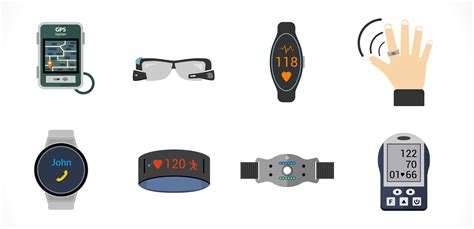
In today’s fast-paced world, optimizing recovery and sleep is no longer a luxury but a necessity for peak performance, whether in athletics or daily life. Wearable technology has emerged as a game-changer, offering unprecedented insights into our bodies’ restorative processes. These compact devices track a myriad of biometrics, translating complex data into actionable advice to help you sleep better and recover faster.
The Science of Sleep and Recovery: Why it Matters
Sleep is when our bodies repair muscle tissue, consolidate memories, and regulate hormones. Recovery, encompassing both physical and mental restoration, is crucial for preventing burnout and injury. Wearables tap into key physiological markers that indicate the quality of your sleep and your body’s readiness for the next challenge. Understanding these metrics is the first step towards personalized health optimization.
Key Metrics Tracked by Recovery Wearables
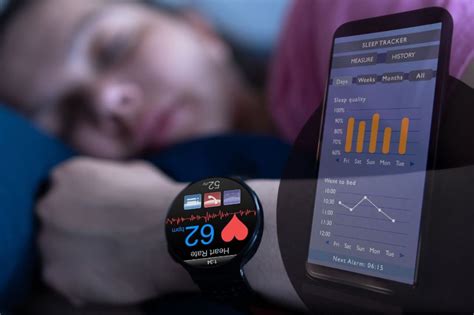
Modern wearables go beyond simple step counting. They provide a wealth of data critical for recovery and sleep analysis:
- Heart Rate Variability (HRV): A key indicator of nervous system balance and recovery status. Higher HRV often suggests better recovery.
- Sleep Stages: Tracking REM, deep (slow-wave), and light sleep helps you understand the quality and architecture of your sleep cycle.
- Resting Heart Rate (RHR): A consistently elevated RHR can signal stress, overtraining, or illness, impacting recovery.
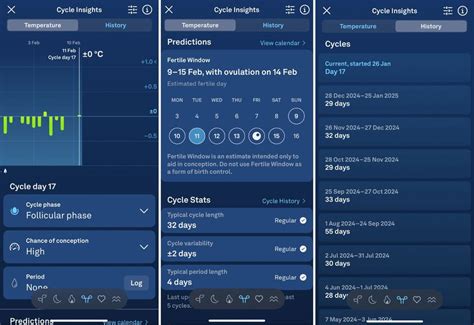
- Skin Temperature: Changes can indicate illness, menstrual cycles, or environmental sleep disturbances.
- Activity Levels: While not directly recovery, understanding daily activity helps balance strain with rest.
Top Wearable Tech for Sleep and Recovery Optimization
Choosing the right device depends on your specific needs, budget, and desired level of data granularity. Here are some of the best contenders in the market:
1. Oura Ring: The Discreet Sleep Scientist
The Oura Ring stands out for its elegant, minimalist design and advanced sleep tracking capabilities. Worn on the finger, it accurately measures sleep stages, RHR, HRV, and body temperature. Its ‘Readiness Score’ provides a daily summary of your body’s recovery status, offering personalized recommendations for activity and rest. It’s particularly praised for its comfortable wear and long battery life, making it ideal for continuous, unobtrusive monitoring.
2. WHOOP: The Performance Coach
WHOOP is specifically designed for athletes and fitness enthusiasts serious about optimizing performance and recovery. It focuses on three core pillars: Strain, Recovery, and Sleep. The device measures strain from daily activities and workouts, then provides a daily ‘Recovery Score’ based on HRV, RHR, and sleep performance. Its sleep coach feature helps users achieve optimal sleep duration and consistency based on their daily strain. WHOOP’s strength lies in its comprehensive analytics and actionable insights for training adjustments.
3. Garmin & Apple Watch: Feature-Rich All-Rounders
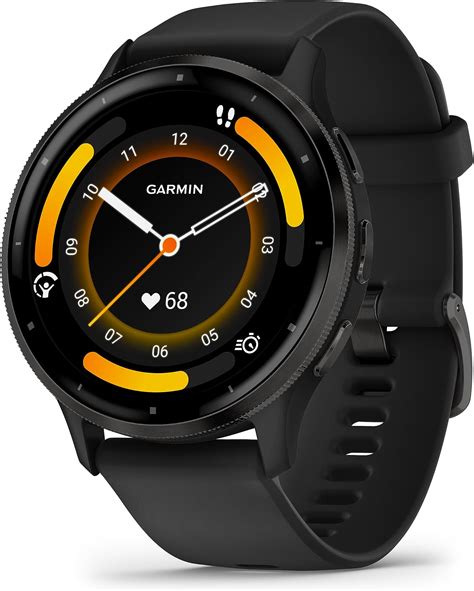
While known for their broader smartwatch functionalities, top-tier smartwatches from Garmin (e.g., Fenix, Forerunner series) and Apple (Apple Watch Series) offer robust sleep and recovery tracking. Garmin devices provide ‘Body Battery’ energy monitoring, advanced sleep insights, and HRV status. The Apple Watch integrates with various third-party apps for detailed sleep analysis and offers health metrics like blood oxygen and ECG, which indirectly contribute to understanding overall well-being and recovery. These are excellent choices for users who want comprehensive health tracking alongside smartwatch features.
4. Eight Sleep Pod: The Smart Bed System
For those seeking a more integrated sleep solution, the Eight Sleep Pod is a smart mattress cover that not only tracks your sleep but actively optimizes your sleep environment. It adjusts bed temperature dynamically throughout the night based on your sleep stages and personal preferences, providing cooling or warming as needed. It also tracks HRV, RHR, and sleep quality, offering a holistic approach to sleep optimization by both monitoring and influencing your rest.
Maximizing Your Data: From Insight to Action
Owning a wearable is just the first step. The true power lies in understanding and acting upon the data it provides:
- Identify Patterns: Look for trends in your sleep and recovery metrics over time. Does late-night eating impact your deep sleep? Does a high-intensity workout affect your HRV?
- Adjust Lifestyle: Use the insights to make informed decisions about your bedtime, workout intensity, stress management techniques, and diet.
- Consistency is Key: Wear your device consistently to build a comprehensive data profile, allowing for more accurate and personalized recommendations.
- Listen to Your Body: While data is invaluable, always cross-reference it with how you feel. Wearables are tools to guide you, not replace your intuition.
The Future of Personalized Recovery
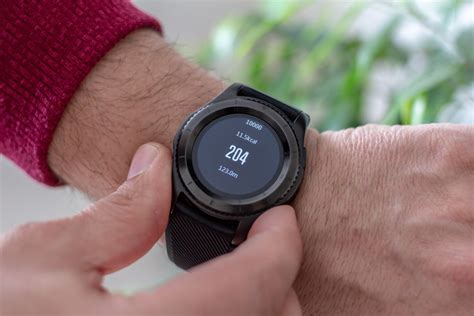
Wearable technology continues to evolve rapidly, promising even more sophisticated and personalized insights. From advanced biofeedback mechanisms to AI-driven coaching, these devices are empowering individuals to take control of their health like never before. By investing in the right wearable tech, you’re not just buying a gadget; you’re investing in a smarter, healthier, and more recovered you, ready to tackle any challenge.