


What’s the optimal time-efficient workout for peak strength and muscle growth?

In today’s fast-paced world, finding adequate time for comprehensive workouts can be a significant challenge. Many aspire to build peak strength and substantial muscle, but time constraints often lead to frustration or burnout. The good news is that you don’t need to spend hours in the gym every day to achieve impressive results. The key lies in strategic planning, intelligent exercise selection, and maximizing every minute of your training session.
The Cornerstone: Compound Movements and Progressive Overload
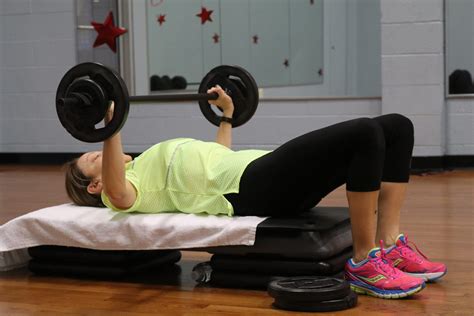
The foundation of any time-efficient workout aimed at both strength and muscle growth is a heavy reliance on compound exercises. These movements engage multiple joints and muscle groups simultaneously, making them incredibly efficient. Think squats, deadlifts, bench presses, overhead presses, and rows. They allow you to lift heavier loads, stimulating more muscle fibers and eliciting a greater systemic response compared to isolation exercises.
Coupled with compound movements is the principle of progressive overload. This means continually challenging your muscles by gradually increasing the weight, reps, sets, or decreasing rest times over time. Without progressive overload, your muscles have no reason to adapt, grow, or get stronger. It’s the non-negotiable driver for consistent progress.
Optimal Frequency: Full-Body or Upper/Lower Splits
For individuals with limited time, a high-frequency training approach using full-body workouts or an upper/lower split proves highly effective. Training each muscle group 2-3 times per week, even with fewer sets per session, has been shown to be superior for muscle growth and strength compared to traditional body-part splits where each muscle is hit only once a week.
- Full-Body Workouts (2-3 times/week): Excellent for beginners and those with extremely tight schedules. Each session targets major muscle groups with 1-2 compound exercises.
- Upper/Lower Splits (4 times/week): A fantastic option for intermediate lifters. You dedicate two days to upper body and two days to lower body, allowing for more volume per session while still hitting muscle groups twice weekly.
The beauty of these splits is their flexibility. Miss a day? No problem. You’ll still hit your muscles again within the week, minimizing lost progress.
Structuring Your Time-Efficient Workout
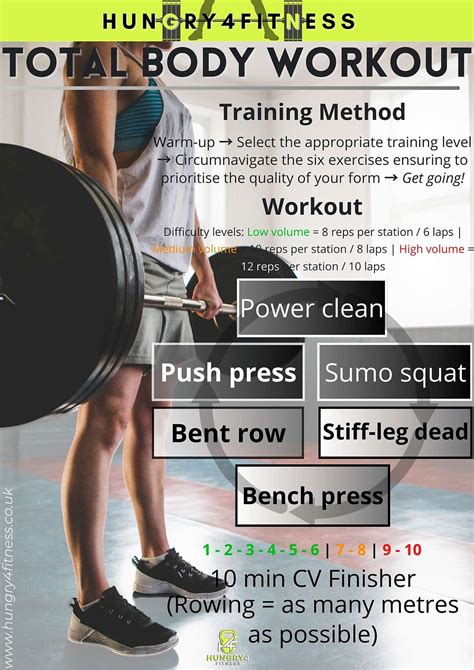
A typical session should last between 45-60 minutes, including a warm-up and cool-down. Here’s a template for a highly effective, time-efficient workout:
- Dynamic Warm-up (5-10 minutes): Light cardio, joint rotations, dynamic stretches relevant to your main lifts.
- Compound Lifts (30-40 minutes): Focus on 3-5 key compound exercises.
- Accessory/Isolation (10-15 minutes): Select 1-2 isolation exercises to target specific muscle groups or address weaknesses, performed with higher reps.
- Cool-down & Stretching (5 minutes): Static stretches to improve flexibility and aid recovery.
For your compound lifts, aim for 3-4 sets of 4-8 repetitions for strength, and 8-12 repetitions for hypertrophy, utilizing a weight that allows you to maintain good form while reaching near failure (1-2 reps in reserve).

Sample Time-Efficient Routine (Full-Body – 3x/week)
This routine emphasizes heavy compound movements. Adjust weights to ensure progressive overload.
Workout A (e.g., Monday)
- Barbell Squats: 3-4 sets x 5-8 reps
- Barbell Bench Press: 3-4 sets x 5-8 reps
- Barbell Rows: 3-4 sets x 6-10 reps
- Overhead Press (Dumbbell or Barbell): 2-3 sets x 8-12 reps
- Plank: 3 sets x max hold
Workout B (e.g., Wednesday)
- Deadlifts (Conventional or Sumo): 3 sets x 3-6 reps
- Incline Dumbbell Press: 3-4 sets x 8-12 reps
- Pull-ups/Lat Pulldowns: 3-4 sets x 6-12 reps
- Lunges (Dumbbell or Barbell): 3 sets x 8-12 reps per leg
- Face Pulls: 3 sets x 12-15 reps
Workout C (e.g., Friday)
- Front Squats or Leg Press: 3-4 sets x 8-12 reps
- Dumbbell Shoulder Press: 3-4 sets x 8-12 reps
- Close-Grip Bench Press or Dips: 3 sets x 8-12 reps
- Barbell Bicep Curls: 3 sets x 8-12 reps
- Calf Raises: 3 sets x 15-20 reps
Beyond the Lifts: Recovery and Nutrition
No matter how perfect your workout is, results will be subpar without adequate recovery and proper nutrition. Prioritize 7-9 hours of quality sleep per night. Ensure a high protein intake (1.6-2.2 grams per kg of body weight) to support muscle repair and growth, along with sufficient carbohydrates for energy and healthy fats for hormonal balance. Staying hydrated is also crucial for performance and recovery.

Conclusion
Achieving peak strength and muscle growth efficiently is entirely possible, even with a demanding schedule. By focusing on compound movements, adhering to progressive overload, opting for higher frequency training like full-body or upper/lower splits, and meticulously managing your recovery and nutrition, you can build a formidable physique without sacrificing your entire day. Consistency and intensity are your greatest allies on this journey, proving that smart training trumps long training every time.