
Maximize strength & lean muscle: What’s the optimal training frequency?
The Perennial Question: How Often Should You Train?
For anyone serious about building strength and developing lean muscle, the question of training frequency is paramount. It’s not just about how hard you train, but also how often you stimulate your muscles for growth and adaptation. While the internet abounds with conflicting advice, understanding the science behind muscle growth and recovery is key to finding your personal optimal frequency.
The Science Behind Muscle Protein Synthesis and Recovery
Muscle growth, or hypertrophy, is largely driven by muscle protein synthesis (MPS) exceeding muscle protein breakdown. Resistance training provides the stimulus that elevates MPS for 24-48 hours post-workout, especially in trained individuals. This window suggests that hitting a muscle group multiple times a week could be more effective than a single, high-volume session, as it allows for more frequent peaks in MPS.
However, simply increasing frequency without considering recovery is a recipe for overtraining. Recovery involves not just muscle repair, but also central nervous system (CNS) recuperation, replenishment of energy stores, and adaptation to stress. Finding the sweet spot means balancing adequate stimulus with sufficient time for your body to rebuild stronger.
Traditional vs. Higher Frequency Training Approaches
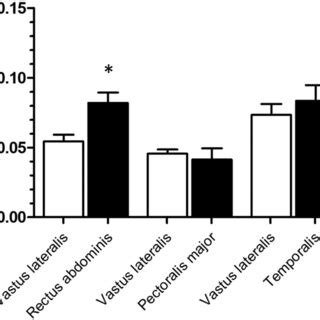
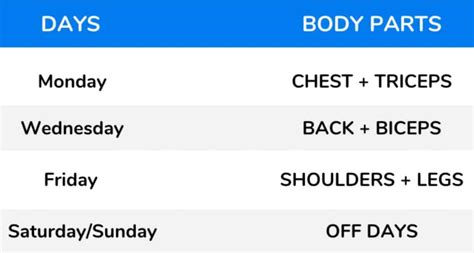
For decades, the standard approach for many bodybuilders was the ‘bro split,’ where each muscle group was trained intensely once a week. While this method can work for highly advanced lifters or those using performance-enhancing drugs, natural lifters often find better results with higher frequencies.
Emerging research and practical experience suggest that stimulating a muscle group 2-3 times per week, or even more, can be superior for maximizing hypertrophy and strength. This allows for more frequent activation of MPS and opportunities to practice specific lifts, leading to better motor unit recruitment and skill development.
Key Factors Influencing Your Optimal Frequency
There isn’t a one-size-fits-all answer to optimal training frequency. Several individual factors come into play:
Training Experience Level
- Beginners: Often respond well to full-body training 2-3 times a week. Their recovery capacity is generally high, and they can make rapid progress with less volume per session.
- Intermediate/Advanced: Can handle higher volumes and intensities, potentially requiring more recovery time between specific muscle group sessions. However, splitting the workload into more frequent, slightly lower-volume sessions per muscle group often proves effective.
Total Weekly Volume
Frequency and volume are intertwined. If you train a muscle group more frequently, the volume per session for that muscle group usually needs to be lower to allow for adequate recovery. Conversely, if you train a muscle group less frequently, the volume per session needs to be higher to provide a sufficient stimulus.
Recovery Capacity
Your ability to recover is heavily influenced by sleep quality, nutrition, stress levels, and genetics. Someone getting 8+ hours of sleep, eating a nutrient-dense diet, and managing stress effectively will likely tolerate higher training frequencies than someone with poor lifestyle habits.

Common Training Splits and Their Frequencies
Let’s look at how different workout splits accommodate varying frequencies:
Full Body Training (2-4x/week)
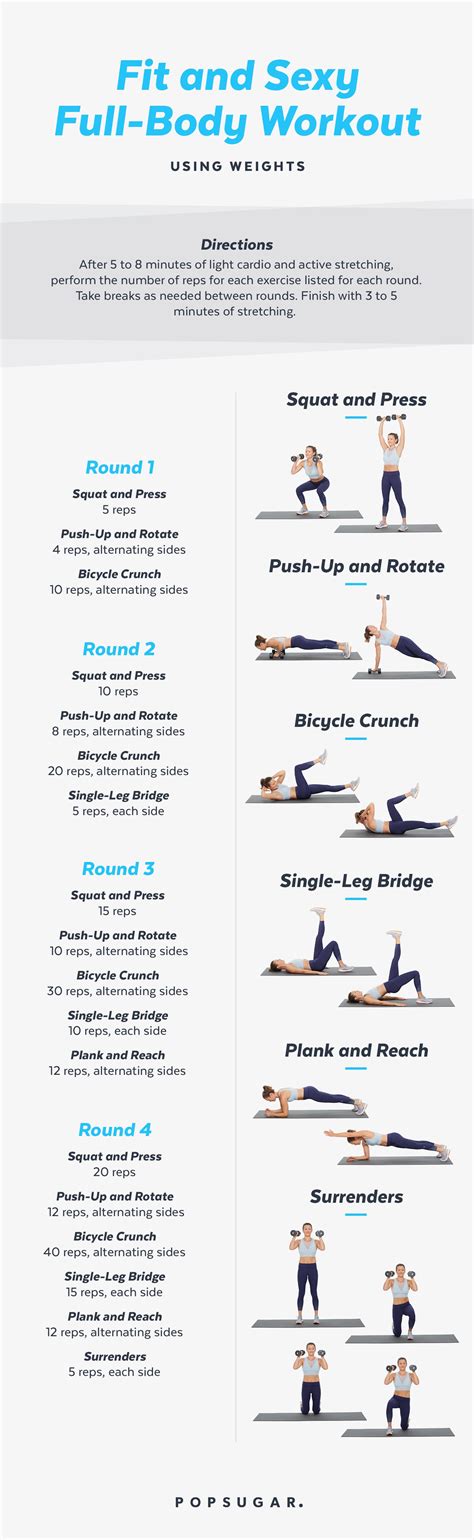
Each session targets all major muscle groups. This offers high frequency for each muscle and is excellent for beginners and those looking for efficient workouts. It’s challenging to accumulate very high volume for each muscle group in a single session without overdoing it.
Upper/Lower Split (4x/week)
Typically structured as Upper, Lower, Rest, Upper, Lower, Rest, Rest. This allows you to hit each major muscle group twice a week with good volume per session, making it a popular choice for intermediates.
Push/Pull/Legs (PPL) (3-6x/week)
A PPL split separates exercises into pushing movements (chest, shoulders, triceps), pulling movements (back, biceps), and leg exercises. You can do PPL 3 times a week (hitting each group once) or 6 times a week (hitting each group twice), with the latter being highly effective for advanced lifters seeking high frequency and specialization.
Body Part Split (1x/week per muscle)
While still popular, this approach often provides too infrequent a stimulus for optimal natural muscle growth and strength gains, as the MPS window typically closes before the next stimulus.
Finding Your Personal Sweet Spot
The optimal training frequency is a dynamic target. Start with a moderate frequency – perhaps 2-3 times per week per muscle group – and meticulously track your progress, recovery, and energy levels. If you’re recovering well and making progress, you might consider increasing frequency or volume. If you’re constantly fatigued, experiencing persistent soreness, or plateauing, a reduction in frequency or volume, or an increase in recovery efforts, might be necessary.
The Importance of Progressive Overload
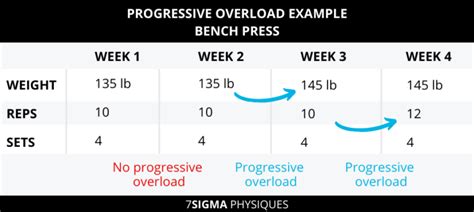
Regardless of your chosen frequency, remember that progressive overload is the fundamental driver of muscle and strength gains. This means continually challenging your muscles by increasing weight, reps, sets, reducing rest times, or improving technique over time. Frequency is merely a tool to facilitate consistent opportunities for progressive overload.
Conclusion: Balance and Individualization are Key
Maximizing strength and lean muscle involves a thoughtful balance of training frequency, volume, intensity, and crucially, adequate recovery. For most natural lifters, stimulating each muscle group 2-3 times per week appears to be a highly effective range. However, the ultimate ‘optimal’ frequency is highly individual, influenced by your experience, lifestyle, and recovery capacity. Experiment, listen to your body, and prioritize consistency and progressive overload to unlock your full potential.