



How can I optimize my workout recovery to sustain peak performance and gains?
Intense workouts are only one part of the equation when it comes to achieving peak performance and making consistent gains. The magic truly happens during recovery, a critical phase where your muscles repair, adapt, and grow stronger. Neglecting recovery can lead to plateaus, increased risk of injury, burnout, and diminished results. By strategically optimizing your recovery protocols, you can unlock your full potential and sustain high-level performance over the long term.
The Foundation: Prioritize Quality Sleep
Sleep is arguably the most powerful recovery tool at your disposal. During deep sleep stages, your body releases growth hormone, which is vital for muscle repair and growth, fat metabolism, and bone density. Furthermore, sleep helps to regulate cortisol levels (the stress hormone) and restore your central nervous system, preparing you for your next training session.
- Aim for 7-9 hours: Most adults need this range, but athletes might benefit from even more.
- Establish a routine: Go to bed and wake up at consistent times, even on weekends.
- Optimize your sleep environment: Ensure your bedroom is dark, quiet, and cool. Avoid screens an hour before bed.

Fuel Your Recovery: Nutrition & Hydration
What you put into your body directly impacts its ability to recover and rebuild. Post-workout nutrition is critical for replenishing energy stores and providing the building blocks for muscle repair.
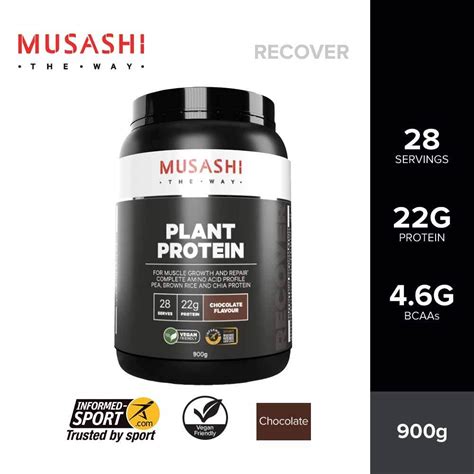
- Protein: Essential for muscle protein synthesis. Aim for 0.8-1 gram of protein per pound of body weight daily, spread throughout your meals, with a significant dose post-workout.
- Carbohydrates: Replenish glycogen stores, which are depleted during intense exercise. Complex carbohydrates like whole grains, fruits, and vegetables are ideal.
- Healthy Fats: Support hormone production and reduce inflammation. Include sources like avocados, nuts, seeds, and olive oil.
- Hydration: Water is crucial for almost every bodily function, including nutrient transport, temperature regulation, and joint lubrication. Drink plenty of water throughout the day, and even more around your workouts. Electrolytes can also be beneficial, especially after heavy sweating.

Active Recovery & Mobility
While rest is important, complete inactivity isn’t always the best approach. Active recovery involves low-intensity exercise that helps increase blood flow, reduce muscle soreness, and flush out metabolic waste products without adding further stress to your muscles.
- Light Cardio: Activities like walking, light cycling, or swimming for 20-30 minutes can be very effective.
- Stretching & Foam Rolling: Improve flexibility, range of motion, and can help alleviate muscle tightness and knots. Incorporate static stretches, dynamic stretches, and self-myofascial release (foam rolling) into your routine.
- Yoga/Pilates: These practices combine mobility, strength, and breathwork, promoting both physical and mental recovery.

Stress Management & Mental Well-being
Physical stress from training isn’t the only stress your body encounters. Everyday life stressors can significantly impact your recovery. Chronic stress elevates cortisol levels, which can hinder muscle repair, promote muscle breakdown, and interfere with sleep.
- Mindfulness & Meditation: Practice deep breathing exercises, meditation, or mindfulness to calm your nervous system.
- Hobbies & Relaxation: Engage in activities you enjoy outside of the gym to de-stress and take your mind off training.
- Social Connection: Spending quality time with loved ones can also be a powerful stress reducer.

Listen to Your Body & Periodize Training
Understanding and responding to your body’s signals is paramount. Recovery is not a one-size-fits-all approach; what works for one person might not work for another, and your needs will change over time.
- Pay Attention to Cues: If you’re consistently feeling overly fatigued, experiencing persistent muscle soreness, seeing a drop in performance, or having trouble sleeping, it’s a sign you might need more recovery.
- Implement Deload Weeks: Strategically plan lighter training weeks every 4-8 weeks to allow your body to fully recover and supercompensate, leading to new gains.
- Vary Your Training: Avoid constantly pushing to your maximum. Incorporate lighter days, different types of exercises, and varying intensities to give specific muscle groups or systems a break.

Conclusion
Optimizing your workout recovery is an ongoing process that requires attention to multiple lifestyle factors. By consciously integrating adequate sleep, targeted nutrition, active recovery, stress management, and listening to your body’s signals, you’re not just preventing burnout; you’re actively creating an environment where your body can repair, adapt, and consistently perform at its peak, leading to sustained gains and a healthier, more resilient you.