



How to overcome workout plateaus for consistent strength and muscle gains efficiently?

Every dedicated lifter eventually faces them: workout plateaus. That frustrating period where your strength gains halt, muscle growth slows, and progress feels non-existent despite your best efforts. It’s a common hurdle, but it’s also an opportunity to refine your approach and emerge stronger. Overcoming a plateau isn’t about working harder; it’s about working smarter.
Understanding Workout Plateaus
A plateau signals that your body has adapted to your current training stimulus. What once challenged your muscles and nervous system is now routine. Continuing the same routine will yield diminishing returns. Plateaus can also be a result of inadequate recovery, poor nutrition, or even mental fatigue.
Key Strategies to Break Through Your Plateau
1. Re-evaluate and Refine Progressive Overload
Progressive overload is the cornerstone of muscle and strength gains, but it’s more than just adding weight. If you’ve stalled on increasing load, consider other forms of progression:
- Increase Reps: If you can’t add weight, try to perform an extra rep or two with the same weight.
- Increase Sets: Add an extra set to your routine, increasing total volume.
- Decrease Rest Time: Shortening rest periods between sets can increase intensity and metabolic stress.
- Improve Form: Perfecting your exercise technique might allow you to lift heavier safely or feel the muscle more effectively.
- Increase Time Under Tension (TUT): Slowing down the eccentric (lowering) phase of a lift can increase muscle fatigue and growth stimulus.
- Increase Frequency: If you only train a muscle group once a week, consider training it twice.

2. Implement Training Variation and Periodization
Your body thrives on novelty. Constantly doing the same exercises in the same rep ranges will lead to adaptation. Introduce variation to keep your muscles guessing:
- Swap Exercises: Replace flat barbell bench press with incline dumbbell press, or squats with leg press for a few weeks.
- Change Rep/Set Ranges: If you primarily train in the 8-12 rep range, try a few weeks of lower reps (3-6) for strength, or higher reps (15-20) for endurance/hypertrophy.
- Periodization: Structure your training into blocks focusing on different goals (e.g., a strength phase, followed by a hypertrophy phase, then an endurance phase). This systematic approach helps prevent plateaus.
- Deload Weeks: Every 6-12 weeks, incorporate a deload week where you reduce your training volume and intensity (e.g., 50-60% of your usual weight/reps). This allows your body to fully recover and come back stronger.

3. Optimize Your Nutrition for Growth and Recovery
Training breaks down muscle, but nutrition rebuilds it. Your diet is critical for breaking plateaus:
- Caloric Intake: Ensure you’re eating enough. To build muscle, a slight caloric surplus (200-500 calories above maintenance) is often necessary. If you’re cutting, this might be why you’re plateauing – consider a diet break or maintenance phase.
- Protein Intake: Aim for 1.6-2.2g of protein per kilogram of body weight to support muscle repair and growth.
- Carbohydrates: Don’t fear carbs! They fuel your workouts and replenish glycogen stores, which are essential for performance and recovery.
- Healthy Fats: Crucial for hormone production and overall health.
- Hydration: Dehydration significantly impairs performance. Drink plenty of water throughout the day.

4. Prioritize Recovery and Sleep
Overtraining is a common culprit for plateaus. Muscle growth happens outside the gym.
- Sleep: Aim for 7-9 hours of quality sleep per night. Sleep is when your body produces growth hormone and repairs muscle tissue.
- Stress Management: Chronic stress elevates cortisol, which can hinder muscle growth and fat loss. Incorporate stress-reducing activities like meditation, yoga, or hobbies.
- Active Recovery: Light walks, stretching, or foam rolling can aid blood flow and reduce muscle soreness.
5. Incorporate Advanced Training Techniques
Once you’ve mastered the basics, these techniques can provide an extra stimulus:
- Drop Sets: Perform a set to failure, then immediately reduce the weight and continue to failure.
- Supersets: Perform two exercises back-to-back with minimal rest (e.g., bicep curl followed by tricep extension).
- Rest-Pause: Perform a set to failure, rest for 10-20 seconds, and then perform more reps with the same weight.
- Negatives: Focus purely on the eccentric (lowering) phase of a lift, often with a heavier weight than you could lift concentrically.
- Forced Reps/Partial Reps: Used sparingly and with a spotter to push past momentary failure.

6. Evaluate Your Form and Mind-Muscle Connection
It’s easy to get complacent with form. A slight tweak in technique can make an exercise much more effective. Focus on genuinely feeling the target muscle work. Sometimes, ego lifting (lifting too heavy with poor form) prevents the intended muscle from getting the full stimulus.
7. Track Your Progress Meticulously
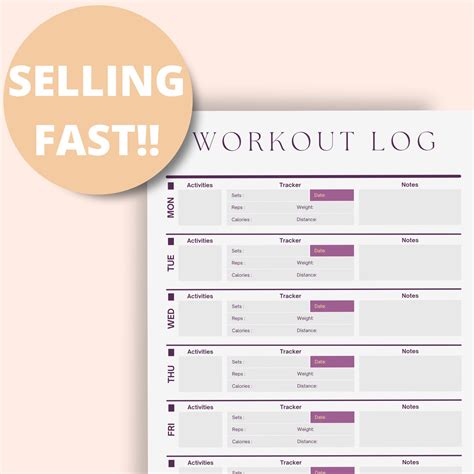
You can’t manage what you don’t measure. Keep a detailed training log noting exercises, sets, reps, weight, and even how you felt. This data is invaluable for identifying patterns, making informed adjustments, and celebrating small victories beyond just the number on the bar.
The Mental Game: Consistency and Patience
Plateaus are a normal part of the fitness journey. Don’t let them discourage you. Stay consistent, be patient, and systematically apply these strategies. Listen to your body, make adjustments, and remember that progress isn’t always linear. By intelligently adapting your training, nutrition, and recovery, you can effectively overcome workout plateaus and continue your path to consistent strength and muscle gains.