


How much protein do I need daily to optimize muscle growth and recovery for peak performance?

Protein is a foundational macronutrient, indispensable for anyone serious about building muscle, enhancing recovery, and sustaining high levels of physical performance. Far from being a simple building block, protein plays a multifaceted role in the body, from repairing tissues to synthesizing enzymes and hormones. But how much do you truly need to go from simply maintaining to actively optimizing your physique and athletic capabilities?
The Cornerstone of Muscle Physiology
At its core, protein is made up of amino acids, the essential components that repair and rebuild muscle fibers damaged during exercise. Intense training creates microscopic tears in muscle tissue, and it’s during the recovery process, fueled by adequate protein intake, that these fibers are rebuilt stronger and larger. Without sufficient protein, this adaptive response is blunted, hindering both muscle growth (hypertrophy) and strength gains.
Beyond structural repair, protein contributes to various metabolic functions vital for peak performance. It supports the immune system, helps transport nutrients, and can even be used as an energy source during prolonged exertion, though carbohydrates and fats are typically preferred.
General Recommendations for Athletes
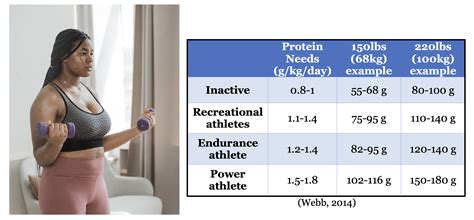
While general dietary guidelines suggest around 0.8 grams of protein per kilogram of body weight for sedentary adults, this amount is insufficient for individuals engaged in regular, intense physical activity. For athletes and those focused on muscle growth, the consensus among sports nutritionists and researchers points to a significantly higher intake.
- Strength Athletes/Bodybuilders: A commonly cited range is 1.6 to 2.2 grams of protein per kilogram of body weight (0.7 to 1.0 grams per pound). This range is effective for promoting muscle protein synthesis and aiding recovery, particularly when combined with resistance training.
- Endurance Athletes: While often associated with strength, endurance athletes also benefit from higher protein intake to repair muscle damage from prolonged activity and to support immune function. Recommendations typically fall between 1.2 to 1.7 grams per kilogram of body weight.
- During Caloric Deficit: When trying to lose fat while preserving muscle mass, protein needs often increase further, sometimes up to 2.3 to 3.1 grams per kilogram of lean body mass. The elevated intake helps prevent muscle breakdown in a hypocaloric state.
Factors Influencing Your Specific Protein Needs
While general guidelines are helpful, your individual protein requirements can vary based on several factors:
- Training Intensity and Volume: The harder and longer you train, the greater your need for protein to facilitate repair and recovery.
- Body Composition Goals: Whether you’re aiming for muscle gain, fat loss, or maintenance will influence your ideal intake.
- Age: Older adults may require slightly more protein due to anabolic resistance, a phenomenon where muscles become less responsive to protein over time.
- Activity Level Beyond Training: A physically demanding job on top of your workouts will increase overall energy and protein requirements.
- Type of Protein Consumed: The bioavailability and amino acid profile of your protein sources can impact how efficiently your body utilizes them.
Optimizing Protein Timing and Sources
While total daily protein intake is paramount, how and when you consume it can also play a role in optimizing results.
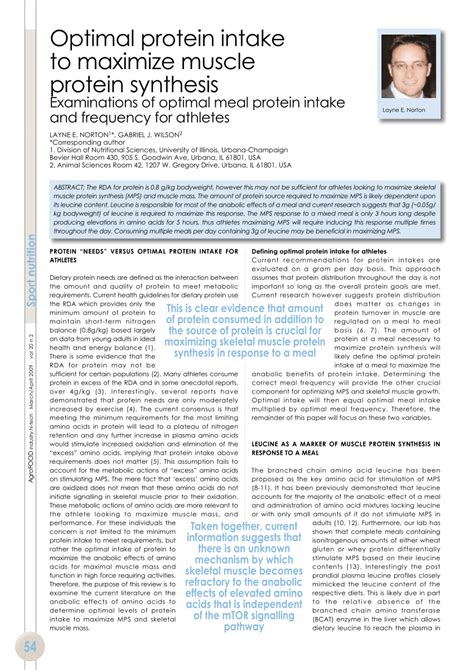
- Even Distribution: Spreading your protein intake throughout the day (e.g., 20-40g per meal, 3-5 meals/snacks) can maximize muscle protein synthesis.
- Post-Workout Window: Consuming protein within a few hours after training is beneficial for initiating muscle repair, though the concept of a very narrow “anabolic window” has been broadened.
- Before Bed: A slow-digesting protein like casein before sleep can provide a sustained release of amino acids, supporting overnight recovery.
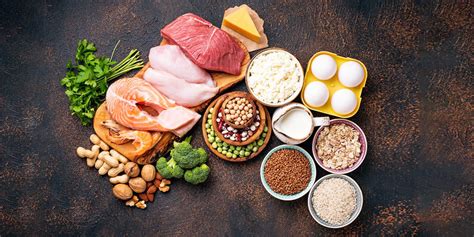
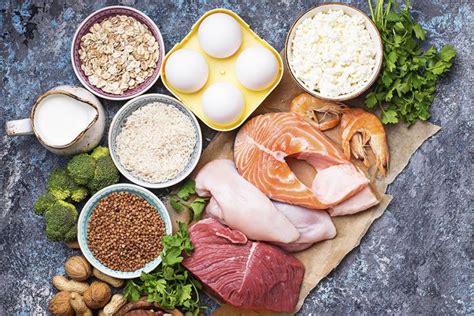
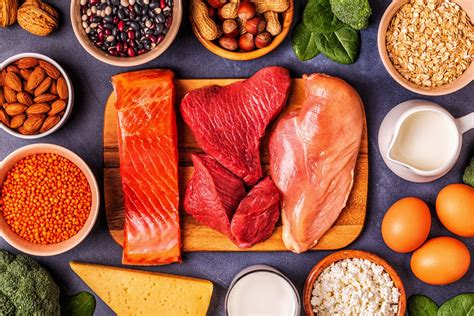
Regarding sources, prioritize high-quality, complete proteins that contain all essential amino acids:
- Animal Sources: Lean meats (chicken, beef, turkey), fish, eggs, dairy (milk, yogurt, cottage cheese, whey/casein protein).
- Plant-Based Sources: Legumes (lentils, beans), tofu, tempeh, quinoa, nuts, seeds, and various plant-based protein powders (soy, pea, rice hemp). Combining different plant proteins can ensure a complete amino acid profile.
Practical Application and Monitoring
To implement these guidelines, start by calculating your target protein intake based on your body weight and goals. Use a food tracking app or diary for a few days to get a realistic picture of your current intake. Adjust gradually, focusing on incorporating protein-rich foods into each meal and snack.
Listen to your body. Signs of inadequate protein might include prolonged muscle soreness, poor recovery, or a plateau in performance. Conversely, consuming excessive protein beyond the optimal range typically doesn’t offer additional benefits for muscle growth and could, in extreme cases, place extra strain on the kidneys (though this is rare in healthy individuals).

Conclusion
For individuals aiming for optimal muscle growth, accelerated recovery, and peak athletic performance, a daily protein intake ranging from 1.6 to 2.2 grams per kilogram of body weight is generally recommended. Adjust this based on your specific training intensity, body composition goals, and age. Focus on high-quality protein sources, distribute your intake throughout the day, and pay attention to your body’s signals to fine-tune your strategy. Proper protein intake, combined with effective training and adequate rest, forms the bedrock of a successful performance and physique optimization journey.