




What training hacks deliver max muscle & endurance in minimum time for peak performance?

Unlocking Maximum Gains in Minimum Time
In the relentless pursuit of peak physical performance, athletes and fitness enthusiasts constantly seek the most efficient paths to build muscle and enhance endurance. The challenge lies in optimizing training protocols to yield significant results without requiring an astronomical time commitment. This article delves into science-backed “training hacks” that streamline your fitness journey, delivering superior strength and stamina with maximum efficiency.

The Power of Intensity: HIIT and Sprinting
One of the most potent tools for time-efficient fitness is High-Intensity Interval Training (HIIT). By alternating short bursts of maximal effort with brief recovery periods, HIIT significantly improves cardiovascular fitness, boosts metabolism, and can even contribute to muscle preservation. Studies show that even 15-20 minutes of effective HIIT can rival longer, moderate-intensity cardio sessions for endurance improvements.
For endurance, incorporating sprint intervals—whether on a track, bike, or rower—challenges both aerobic and anaerobic systems, pushing your lactate threshold and improving your ability to sustain high efforts. The key is true maximal effort during the work phases, pushing your body to its absolute limits.
Leveraging Compound Movements for Muscle Growth
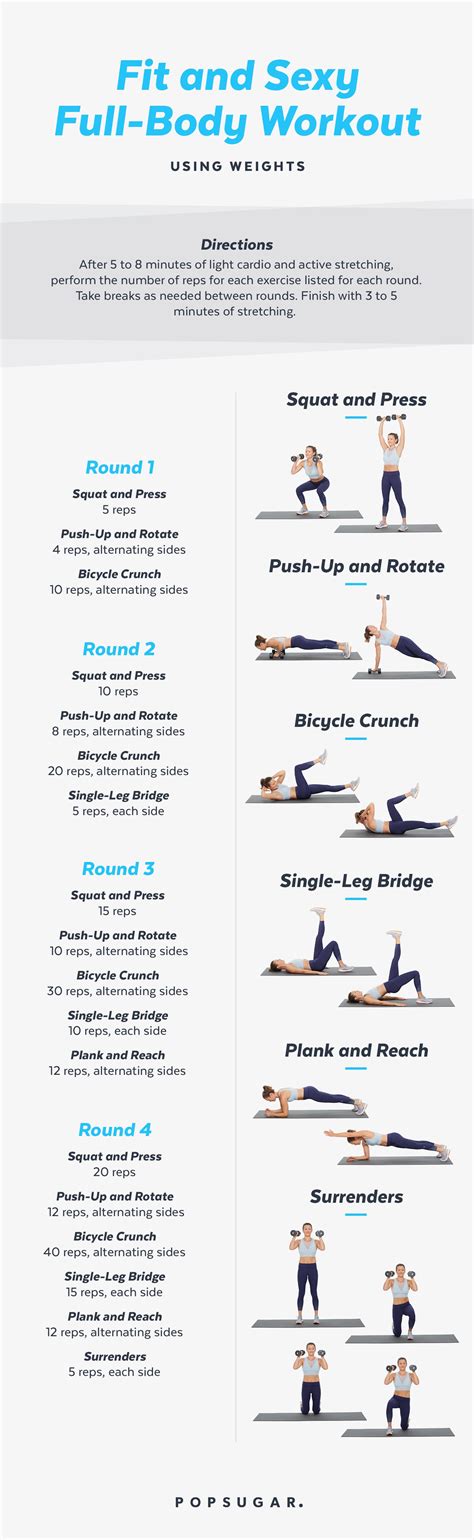
To build maximum muscle in minimum time, focus your resistance training on compound movements. Exercises like squats, deadlifts, bench presses, overhead presses, and rows engage multiple joints and muscle groups simultaneously. This approach not only stimulates greater muscle protein synthesis across more tissue but also burns more calories and improves functional strength far more efficiently than isolation exercises.
The principle of progressive overload is paramount here. To continuously adapt and grow, your muscles must be subjected to progressively greater demands. This could mean increasing the weight, reps, sets, reducing rest times, or improving technique. Consistently striving to lift more, perform more reps, or improve form over time is the bedrock of muscle growth.

The Art of Recovery: Deloads and Active Strategies
Training hard is only half the battle; recovery is where growth truly happens. Strategic deload weeks, where training volume and intensity are significantly reduced, allow your body to fully recover, adapt, and supercompensate. This prevents overtraining, reduces injury risk, and prepares your body for future, more intense training blocks, ultimately leading to greater long-term gains.
Beyond formal deloads, integrating active recovery (e.g., light walking, stretching, foam rolling, yoga) on rest days can enhance blood flow, reduce muscle soreness, and improve flexibility, accelerating your body’s ability to bounce back faster. Prioritizing 7-9 hours of quality sleep per night is perhaps the most undervalued “hack” for both muscle repair and hormonal balance crucial for performance.

Fueling Peak Performance: Targeted Nutrition
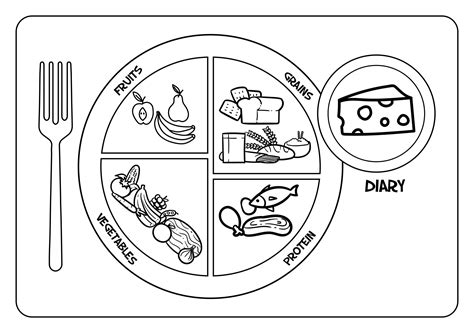
Your diet is as critical as your training for achieving peak performance and rapid results. Focus on a high-protein intake (around 1.6-2.2 grams per kg of body weight) to support muscle repair and growth. Ensure adequate complex carbohydrates to fuel intense workouts and replenish glycogen stores, and healthy fats for hormonal health and sustained energy.
Timing your nutrient intake can also be a “hack.” Consuming protein and carbohydrates around your workout (pre- and post-exercise) can optimize recovery and muscle protein synthesis. Hydration is another often-overlooked cornerstone; even slight dehydration can significantly impair performance and cognitive function.
Optimizing Execution: Mind-Muscle and Programming
Beyond the physical, the mental aspect of training plays a significant role. Consciously focusing on contracting the target muscle during each repetition—the mind-muscle connection—can enhance activation and stimulate greater hypertrophy, making every rep count more effectively.
Finally, a well-structured training program is non-negotiable. Periodization, which involves cycling through different phases of training (e.g., strength, hypertrophy, power, endurance), prevents plateaus and ensures continuous progress. A smart program dictates when to push hard, when to recover, and how to progressively challenge your body, ensuring every minute in the gym is maximized.

Conclusion: Intelligent Training, Superior Results
Achieving maximal muscle and endurance in minimum time isn’t about magical shortcuts, but rather intelligent application of proven principles. By integrating high-intensity training, prioritizing compound movements and progressive overload, optimizing recovery and nutrition, and maintaining a strong mind-muscle connection within a structured program, you can dramatically accelerate your progress. These training hacks aren’t just about working harder; they’re about working smarter, allowing you to attain peak performance and sustain it with remarkable efficiency.