



Best pre/post-workout nutrition for maximum strength gains & faster recovery?

Fueling Your Performance: The Science of Pre & Post-Workout Nutrition
The Critical Role of Nutrition Timing
Optimizing your nutrition around your training sessions is not just about eating healthy; it’s about strategically timing your nutrient intake to maximize performance, accelerate recovery, and ultimately achieve greater strength gains. Understanding what to eat and when can significantly impact your energy levels during a workout and your body’s ability to repair and grow afterward.
Pre-Workout Nutrition: Priming Your Body for Peak Performance
The goal of pre-workout nutrition is to provide your body with the energy it needs to perform at its best, prevent excessive muscle breakdown, and ensure optimal hydration. This typically involves a combination of carbohydrates and protein.
Carbohydrates: Your Primary Energy Source
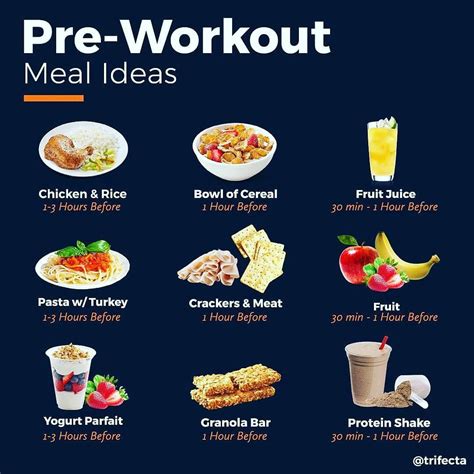
Carbohydrates are crucial as they are stored as glycogen in your muscles and liver, serving as the primary fuel for high-intensity exercise. Consuming complex carbohydrates 2-3 hours before a workout ensures a steady release of energy, while simple carbohydrates closer to the workout (30-60 minutes) can provide a quicker energy boost.
- Complex Carbs (2-3 hours prior): Oats, brown rice, whole-wheat bread, sweet potatoes.
- Simple Carbs (30-60 minutes prior): Fruit (banana), rice cakes.
Protein: Protecting Your Muscles
A moderate amount of protein before training can help reduce muscle damage, improve recovery, and enhance muscle protein synthesis. Aim for easily digestible sources.
- Examples: Greek yogurt, lean chicken breast, protein shake, eggs.
Fats: Generally Minimized Pre-Workout
While healthy fats are important for overall health, they slow down digestion, which can be detrimental immediately before a workout. Keep fat intake low in your pre-workout meal to avoid discomfort.

Post-Workout Nutrition: The Window for Recovery and Growth
The post-workout period is often referred to as the “anabolic window,” where your body is highly receptive to nutrients for repair and replenishment. While the window isn’t as narrow as once thought, fueling within 1-2 hours after exercise is still highly beneficial for maximizing recovery and muscle growth.
Protein: The Building Blocks of Muscle
After a strenuous workout, your muscles have microscopic tears. Consuming protein provides the amino acids necessary to repair these tears and initiate new muscle protein synthesis. Aim for 20-40 grams of high-quality protein.
- Examples: Whey protein shake, chicken breast, fish, lean beef, eggs, cottage cheese.

Carbohydrates: Replenishing Glycogen Stores
During your workout, your body depletes its glycogen stores. Consuming carbohydrates post-workout helps to quickly replenish these stores, which is crucial for subsequent training sessions and overall energy levels. Opt for faster-digesting carbs.
- Examples: White rice, pasta, potatoes, fruit, oats, sports drinks.

Hydration: A Non-Negotiable Component
Often overlooked, adequate hydration is fundamental for both performance and recovery. Dehydration can impair strength, endurance, and cognitive function during exercise, and hinder nutrient transport and waste removal afterward. Drink water consistently throughout the day, and increase intake before, during, and after your workouts.
Key Supplements to Consider (Optional)
While whole foods should always be the foundation, certain supplements can complement your pre and post-workout nutrition strategy:
- Creatine: Enhances strength, power, and muscle mass.
- BCAAs (Branched-Chain Amino Acids): Can reduce muscle soreness and fatigue, though often sufficient if consuming enough protein.
- Beta-Alanine: Can buffer acid in muscles, improving endurance.

Individualization is Key
It’s important to remember that nutritional needs vary greatly based on individual factors such as body weight, training intensity, type of exercise, and personal goals. Experiment with different foods and timings to find what works best for your body and your training regimen.
Conclusion
Strategic pre and post-workout nutrition is a powerful tool in your arsenal for achieving maximum strength gains and faster recovery. By providing your body with the right fuel at the right time – a combination of carbohydrates and protein, along with consistent hydration – you can significantly enhance your performance, support muscle repair and growth, and optimize your overall training results. Make these nutritional principles a cornerstone of your fitness journey.