



How can men naturally boost low testosterone for peak energy & performance?

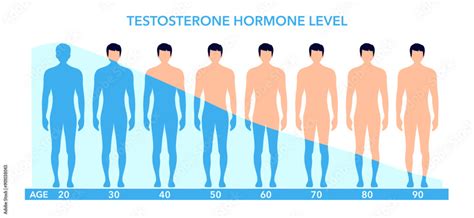
Testosterone, often hailed as the cornerstone of male vitality, plays a crucial role far beyond just sex drive. Optimal testosterone levels contribute to muscle mass, bone density, mood regulation, cognitive function, and, critically, sustained energy and peak physical and mental performance. Unfortunately, many men experience a decline in testosterone with age, or even prematurely due to modern lifestyle factors. The good news is that there are potent, natural strategies to help your body produce more of this vital hormone.
Understanding Low Testosterone
Before diving into solutions, it’s important to recognize the signs of low testosterone (hypogonadism). These can include:
- Decreased libido and sexual function
- Fatigue and low energy levels
- Loss of muscle mass and increase in body fat
- Mood changes, irritability, and depression
- Reduced bone density
- Poor concentration and brain fog
If you suspect you have low testosterone, consulting a healthcare professional for diagnosis is the first step. Once confirmed, you can embark on a journey to naturally optimize your levels.
1. Optimize Your Diet for Hormone Production
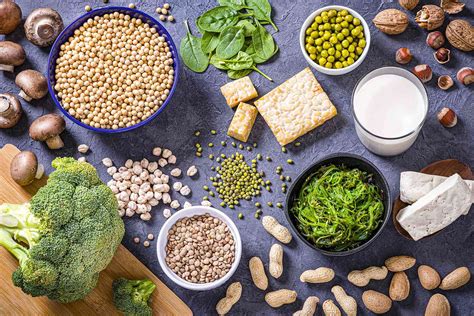
What you eat directly impacts your hormonal health. A balanced diet rich in specific nutrients is fundamental for testosterone synthesis.
- Healthy Fats: Cholesterol is a precursor to testosterone. Incorporate healthy fats from sources like avocados, nuts, seeds, olive oil, and fatty fish (salmon, mackerel).
- Lean Protein: Essential for muscle growth and repair, which supports overall hormonal health. Include chicken, turkey, lean beef, eggs, and legumes.
- Zinc-Rich Foods: Zinc is a vital mineral directly involved in testosterone production. Oysters are an excellent source, as are beef, pumpkin seeds, and spinach.
- Vitamin D: More than a vitamin, it acts like a steroid hormone in the body and is strongly linked to testosterone levels. Get sunlight exposure and consume foods like fatty fish, fortified milk, and eggs.
- Magnesium: Another critical mineral that helps optimize free (bioavailable) testosterone. Found in leafy greens, nuts, seeds, and whole grains.
- Limit Sugar and Processed Foods: These can lead to insulin resistance and inflammation, both of which can negatively impact testosterone production.

2. Embrace Strength Training and Strategic Exercise
Exercise, particularly resistance training, is one of the most powerful natural testosterone boosters.
- Weightlifting: Focus on compound movements like squats, deadlifts, bench presses, and rows that engage multiple large muscle groups. Aim for 3-4 sessions per week with adequate rest.
- High-Intensity Interval Training (HIIT): Short bursts of intense exercise followed by brief recovery periods can also significantly boost testosterone.
- Avoid Overtraining: While exercise is crucial, excessive chronic cardio or overtraining without sufficient recovery can actually suppress testosterone. Listen to your body and prioritize recovery.
3. Prioritize Quality Sleep and Manage Stress
Sleep and stress are often overlooked but critical components of hormonal balance.
- Get Enough Sleep: Testosterone production largely occurs during sleep, especially REM sleep. Aim for 7-9 hours of quality, uninterrupted sleep per night. Establish a consistent sleep schedule and create a dark, cool, and quiet sleep environment.
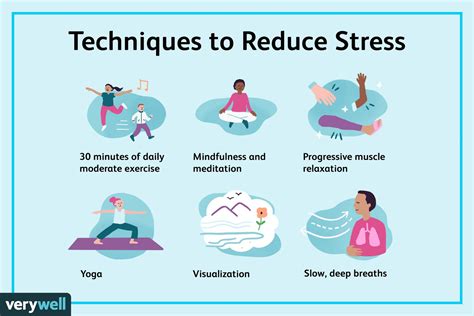
- Reduce Chronic Stress: Chronic stress elevates cortisol levels, a hormone that directly competes with testosterone. Incorporate stress-reduction techniques such as meditation, deep breathing exercises, yoga, spending time in nature, or engaging in hobbies you enjoy.

4. Optimize Lifestyle Factors
Beyond diet and exercise, several lifestyle choices can impact your testosterone levels.
- Maintain a Healthy Weight: Excess body fat, particularly around the abdomen, can convert testosterone into estrogen, leading to lower levels. Losing weight can significantly improve testosterone.
- Limit Alcohol Consumption: Excessive alcohol intake can disrupt the endocrine system and impair testosterone synthesis. Moderate consumption is key.
- Avoid Endocrine Disruptors: Be mindful of chemicals found in plastics (BPA), pesticides, and certain personal care products that can mimic hormones and disrupt your body’s natural balance. Opt for natural alternatives where possible.
5. Consider Targeted Natural Supplements (with caution)
While diet and lifestyle are paramount, certain supplements can offer additional support, but should always be discussed with a healthcare professional.
- Vitamin D: If your levels are low, supplementation can be highly effective.
- Zinc and Magnesium: If dietary intake is insufficient, these can be beneficial, especially for active individuals.
- Ashwagandha: An adaptogenic herb shown in some studies to reduce stress and improve testosterone levels.
- Fenugreek: Some research suggests it may help increase free and total testosterone.

Conclusion
Boosting testosterone naturally is a holistic endeavor that requires commitment to a healthier lifestyle. By focusing on a nutrient-dense diet, consistent strength training, adequate sleep, effective stress management, and mindful lifestyle choices, men can significantly improve their testosterone levels. This natural optimization can lead to profound improvements in energy, mood, muscle mass, and overall performance, allowing you to reclaim your peak vitality and well-being. Always consult with a healthcare provider before making significant changes to your diet, exercise routine, or starting any new supplements.