



Natural T-boost: What daily habits elevate men’s strength, drive & performance?

Unlocking Your Natural Potential: Why Testosterone Matters
Testosterone, often hailed as the cornerstone of male vitality, plays a crucial role far beyond just muscle mass and libido. It influences energy levels, mood stability, bone density, cognitive function, and even cardiovascular health. While testosterone levels naturally decline with age, modern lifestyle factors can accelerate this process, leading to a host of undesirable symptoms from fatigue and decreased strength to reduced drive and poor performance.
The good news is that you don’t always need synthetic interventions. Many daily habits can naturally optimize your body’s testosterone production, empowering you to reclaim your strength, sharpen your drive, and enhance overall performance. Let’s delve into the actionable strategies that can make a tangible difference.

Strategic Exercise: Beyond Just Moving
Not all exercise is created equal when it comes to testosterone elevation. The key lies in intensity and type. Prioritize resistance training, lifting heavy weights with compound movements like squats, deadlifts, bench presses, and overhead presses. These exercises engage multiple muscle groups simultaneously, triggering a significant hormonal response.
- Resistance Training: Aim for 3-4 sessions per week, focusing on progressive overload. This tells your body to build more muscle, which in turn supports higher testosterone levels.
- High-Intensity Interval Training (HIIT): Short bursts of maximal effort followed by brief recovery periods can also be highly effective. HIIT workouts have been shown to boost testosterone and growth hormone, improving both anaerobic and aerobic fitness.
Conversely, excessive chronic cardio without adequate recovery can sometimes be counterproductive, potentially increasing cortisol (the stress hormone) which can suppress testosterone. Balance is key.
Fueling Your Hormones: The Power of Nutrition
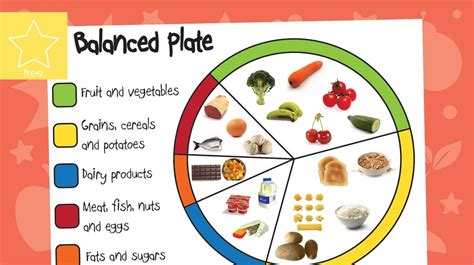
What you eat directly impacts your hormonal balance. A diet rich in whole, unprocessed foods is fundamental.
- Healthy Fats: Cholesterol is a precursor to testosterone. Ensure adequate intake of monounsaturated and polyunsaturated fats from sources like avocados, nuts, seeds, olive oil, and fatty fish (salmon, mackerel).
- Protein Power: Sufficient protein intake is essential for muscle repair and growth, indirectly supporting testosterone. Lean meats, poultry, eggs, and legumes are excellent choices.
- Micronutrient Focus:
- Zinc: Crucial for testosterone production. Found in oysters, red meat, pumpkin seeds, and spinach.
- Vitamin D: More of a hormone than a vitamin, adequate Vitamin D levels are strongly correlated with higher testosterone. Get regular sun exposure and consider supplementation, especially in winter months.
- Magnesium: Plays a role in over 300 enzymatic reactions, including those involved in testosterone synthesis. Found in leafy greens, nuts, and whole grains.
Avoid excessive sugar, refined carbohydrates, and processed foods, which can lead to insulin resistance and inflammation, both detrimental to hormonal health.

The Underrated Pillar: Quality Sleep
In our fast-paced world, sleep is often the first thing sacrificed, yet it’s one of the most potent natural testosterone boosters. Most of your body’s testosterone production occurs during deep sleep stages. Chronic sleep deprivation (less than 7-9 hours per night) can significantly lower testosterone levels, sometimes by as much as 10-15% in just a week.
Prioritize sleep hygiene:
- Go to bed and wake up at consistent times.
- Create a dark, cool, and quiet sleep environment.
- Avoid screens (phones, tablets, computers) at least an hour before bed.
- Limit caffeine and alcohol intake in the evening.

Mastering Stress: The Cortisol Connection
Chronic stress is a silent assassin of testosterone. When you’re constantly stressed, your body produces elevated levels of cortisol. Cortisol and testosterone share a common precursor, pregnenolone. When cortisol demand is high, the body “steals” pregnenolone to produce more cortisol, leaving less for testosterone synthesis. This is often referred to as the “pregnenolone steal” or “cortisol steal.”
Integrate stress-reducing practices into your daily routine:
- Mindfulness & Meditation: Even 10-15 minutes a day can significantly lower stress markers.
- Deep Breathing Exercises: Simple techniques can calm your nervous system.
- Spending Time in Nature: Known as “forest bathing,” it reduces stress and improves mood.
- Hobbies & Social Connection: Engage in activities you enjoy and maintain strong social bonds to foster well-being.

Beyond the Core: Other Lifestyle Factors
While exercise, nutrition, sleep, and stress management form the core, other daily habits also contribute to optimal testosterone levels.
- Limit Alcohol Consumption: Excessive alcohol intake can disrupt the endocrine system and lower testosterone. Moderate consumption (if any) is advisable.
- Maintain a Healthy Weight: Obesity, especially abdominal fat, is strongly linked to lower testosterone due to increased aromatization (conversion of testosterone to estrogen).
- Regular Sun Exposure: Beyond Vitamin D synthesis, natural light exposure helps regulate circadian rhythm and mood, indirectly supporting hormone balance.
- Avoid Endocrine Disruptors: Be mindful of plastics (BPA, phthalates), pesticides, and certain chemicals in personal care products that can mimic estrogen in the body.
Embrace the Journey: A Holistic Approach
Elevating your natural testosterone levels isn’t about quick fixes; it’s about cultivating a holistic lifestyle. By consistently implementing these daily habits—smart exercise, nutrient-dense foods, quality sleep, effective stress management, and mindful lifestyle choices—you empower your body to optimize its hormonal environment. The result is not just a “T-boost,” but a profound enhancement in your strength, drive, performance, and overall quality of life. Start small, stay consistent, and watch your vitality flourish.