





Optimal macros for peak male energy, focus, and muscle recovery?

The Power of Macros: Fueling Male Performance
For men striving for peak physical and mental performance, understanding and optimizing macronutrient intake is paramount. Macronutrients – carbohydrates, proteins, and fats – are the fundamental building blocks of our diet, providing the energy and raw materials essential for everything from intense workouts and sharp mental focus to efficient muscle repair and hormonal balance. But what constitutes the “optimal” balance for energy, focus, and muscle recovery?

Carbohydrates: The Primary Energy Source
Often misunderstood, carbohydrates are not the enemy; they are the body’s preferred and most efficient source of energy. For sustained energy and mental clarity, focusing on complex carbohydrates is key. These include whole grains, fruits, vegetables, and legumes, which provide a steady release of glucose into the bloodstream, preventing energy crashes and supporting brain function.
- Energy & Focus: Carbs fuel your brain and muscles. Adequate intake prevents fatigue and improves cognitive function during demanding tasks or workouts.
- Recovery: Post-workout, carbohydrates replenish glycogen stores, which are crucial for muscle recovery and preparing for the next training session.
Optimal Intake: Generally, 40-50% of your daily caloric intake, especially for active men. Timing matters: consume complex carbs throughout the day, with a focus on pre- and post-workout to maximize performance and recovery.
Proteins: The Building Blocks of Recovery
Protein is indispensable for muscle growth, repair, and recovery. It provides the amino acids necessary to rebuild muscle tissue damaged during exercise, synthesize enzymes and hormones, and support a robust immune system. Without sufficient protein, recovery is hindered, and muscle mass gains are compromised.
- Muscle Recovery & Growth: Essential for repairing muscle fibers post-exercise and promoting hypertrophy.
- Satiety: Helps keep you full, aiding in weight management.

Optimal Intake: Aim for 0.8 to 1 gram of protein per pound of body weight (1.6-2.2 g/kg) for active individuals. Distribute protein intake evenly across meals to ensure a steady supply of amino acids throughout the day. Excellent sources include lean meats, poultry, fish, eggs, dairy, and plant-based options like tofu, lentils, and beans.
Fats: Essential for Hormones and Brain Health
Dietary fats are crucial for numerous bodily functions, including hormone production (testosterone), nutrient absorption (fat-soluble vitamins A, D, E, K), brain health, and sustained energy. Not all fats are created equal, however. Focus on healthy fats while minimizing trans fats and limiting saturated fats.
- Hormonal Balance: Healthy fats are precursors to testosterone and other vital hormones.
- Brain Function: Omega-3 fatty acids, found in fatty fish, are critical for cognitive health and reducing inflammation.
- Sustained Energy: Provide a long-burning fuel source, particularly useful during prolonged periods of activity.

Optimal Intake: Typically 20-30% of daily calories, with a focus on monounsaturated and polyunsaturated fats. Sources include avocados, nuts, seeds, olive oil, fatty fish (salmon, mackerel), and flaxseeds.
Balancing Your Macros: A Personalized Approach
While general guidelines exist, the “optimal” macro ratio can vary significantly based on individual factors such as age, activity level, body composition goals (e.g., fat loss, muscle gain, maintenance), and metabolism. A common starting point for active men looking for overall performance might be:
- Carbohydrates: 40-50%
- Proteins: 25-35%
- Fats: 20-30%

It’s important to experiment and pay attention to how your body responds. Track your food intake and energy levels, adjust ratios as needed, and consider consulting with a nutritionist or sports dietitian for personalized guidance.
Beyond Macros: The Role of Micronutrients and Hydration
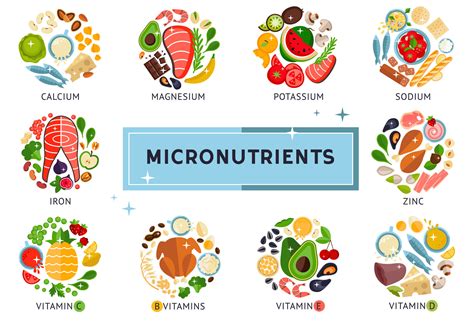
Even with perfect macro ratios, performance can falter without adequate micronutrients (vitamins and minerals) and hydration. These elements work synergistically with macronutrients, supporting metabolic processes, nutrient transport, and overall bodily function. Ensure a diverse intake of fruits, vegetables, and whole foods, and drink plenty of water throughout the day.
Putting It All Together for Peak Performance
Achieving peak male energy, focus, and muscle recovery is an ongoing journey of consistent, high-quality nutrition. By strategically optimizing your intake of carbohydrates for fuel, proteins for repair, and healthy fats for hormonal balance and sustained energy, you lay a powerful foundation for enhanced physical and cognitive performance. Remember, quality sources matter just as much as ratios. Prioritize whole, unprocessed foods and listen to your body’s signals to fine-tune your path to optimal health and vitality.