




How can I boost my testosterone naturally for better energy & performance?

Understanding Testosterone’s Vital Role
Testosterone, often dubbed the primary male sex hormone, plays a critical role far beyond just libido. It’s instrumental in maintaining muscle mass, bone density, red blood cell production, and perhaps most noticeably, energy levels, mood, and cognitive function. As men age, testosterone levels naturally decline, but various lifestyle factors can also contribute to lower levels, impacting vitality and performance. The good news is that several natural, evidence-based approaches can help optimize your testosterone production.
Dietary Powerhouse for Hormonal Health
What you eat directly impacts your hormonal balance. To naturally boost testosterone, focus on a diet rich in whole, unprocessed foods. Prioritize healthy fats, such as monounsaturated and polyunsaturated fats found in avocados, nuts, seeds, olive oil, and fatty fish like salmon. These fats are crucial for hormone production.
Adequate protein intake from lean meats, poultry, eggs, and legumes supports muscle maintenance and growth, indirectly aiding testosterone. Don’t forget micronutrients: Zinc (oysters, beef, pumpkin seeds) and Vitamin D (fatty fish, fortified foods, sunlight exposure) are particularly vital for testosterone synthesis. Magnesium (leafy greens, nuts, seeds) also plays a significant role in free testosterone levels. Conversely, limit processed foods, excessive sugar, and excessive alcohol consumption, all of which can negatively impact your hormone profile.

Optimized Exercise Regimen
Exercise is a potent stimulator of testosterone. However, the type and intensity matter. Incorporate strength training with compound movements like squats, deadlifts, bench presses, and rows. These exercises engage multiple muscle groups and lead to a significant hormonal response. Aim for 3-4 sessions per week, focusing on heavy lifts and progressive overload.
High-Intensity Interval Training (HIIT) has also been shown to boost testosterone effectively. Short bursts of intense exercise followed by brief recovery periods can be highly beneficial. While exercise is key, avoid chronic overtraining, which can paradoxically lower testosterone levels by increasing cortisol.

Prioritizing Sleep Quality
Sleep deprivation is a silent killer of testosterone. The majority of your daily testosterone is produced during sleep, particularly during the deep REM stages. Aim for 7-9 hours of high-quality, uninterrupted sleep per night. Poor sleep not only reduces testosterone but also increases cortisol, a stress hormone that further suppresses testosterone production.
Improve your sleep hygiene by establishing a consistent sleep schedule, creating a dark, quiet, and cool sleep environment, avoiding screens before bed, and limiting caffeine and alcohol in the evening.

Effective Stress Management
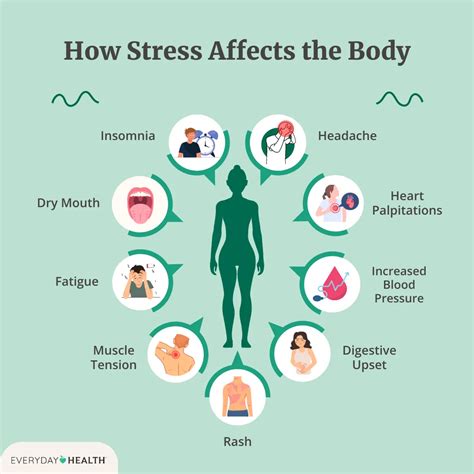
Chronic stress elevates cortisol levels, which has a direct inverse relationship with testosterone. When cortisol is high, testosterone tends to be low. Therefore, managing stress is paramount for natural testosterone optimization. Incorporate stress-reducing activities into your daily routine, such as meditation, yoga, deep breathing exercises, spending time in nature, or engaging in hobbies you enjoy.
Finding healthy outlets for stress can significantly contribute to better hormonal balance and overall well-being. Even small, consistent efforts in stress reduction can yield remarkable results.
Lifestyle Adjustments & Key Nutrients
Beyond diet, exercise, and sleep, several other lifestyle factors contribute. Maintaining a healthy body weight is crucial, as excess body fat, particularly around the abdomen, can convert testosterone into estrogen. Regular sun exposure helps synthesize Vitamin D, which is directly linked to testosterone levels. If sunlight is limited, consider a high-quality Vitamin D supplement, always after consulting with a healthcare professional.
While the focus is on natural methods, some natural compounds like Ashwagandha and Fenugreek have shown promise in clinical studies for supporting testosterone levels, but they should be used cautiously and ideally under professional guidance.

Conclusion
Boosting your testosterone naturally is an integrative process that requires consistent effort across multiple lifestyle domains. By optimizing your diet, engaging in smart exercise, prioritizing quality sleep, effectively managing stress, and maintaining a healthy lifestyle, you can significantly enhance your body’s natural testosterone production. This, in turn, can lead to a noticeable increase in energy, improved physical and mental performance, and a better overall quality of life. Always remember to consult with a healthcare professional before making significant changes to your diet or exercise routine, especially if you have underlying health conditions.