



Optimize nutrition for peak energy, cognitive function, and recovery?
Unlocking Your Body’s Potential Through Optimized Nutrition
In today’s fast-paced world, achieving optimal physical and mental performance isn’t just about hard work; it’s profoundly influenced by what we eat. Nutrition serves as the fundamental bedrock for sustained energy, sharp cognitive function, and efficient recovery. By making conscious, informed food choices, you can transform your daily experience, moving from merely functioning to truly thriving.
This guide will explore the specific nutritional strategies and key nutrients required to power your body and mind, ensuring you’re operating at your absolute best, day in and day out.
Fueling for Sustained Energy
Consistent energy levels are crucial for productivity and quality of life. The right macronutrients—carbohydrates, proteins, and fats—are your primary fuel sources, but their quality and timing matter immensely.
Complex Carbohydrates: Your Steady Energy Source
Opt for complex carbohydrates like whole grains (oats, brown rice, quinoa), legumes, and starchy vegetables. These provide a slow and steady release of glucose into the bloodstream, preventing energy crashes often associated with simple sugars. They also offer essential fiber, aiding digestion and satiety.
Lean Proteins: Muscle Repair and Satiety
Include lean protein sources such as chicken, fish, eggs, tofu, and legumes in every meal. Protein is vital for muscle repair, hormone production, and contributes to a feeling of fullness, which helps stabilize blood sugar and energy levels.
Healthy Fats: Long-Lasting Fuel and Brain Health
Don’t shy away from healthy fats found in avocados, nuts, seeds, and olive oil. These provide a concentrated source of energy, support hormone production, and are critical for nutrient absorption. Omega-3 fatty acids, in particular, are renowned for their anti-inflammatory properties and benefits for brain health.
Hydration: The Often-Overlooked Powerhouse
Dehydration, even mild, can significantly impair energy levels and cognitive function. Make water your primary beverage and aim for consistent intake throughout the day. Herbal teas and water-rich fruits and vegetables also contribute to your hydration status.

Enhancing Cognitive Function
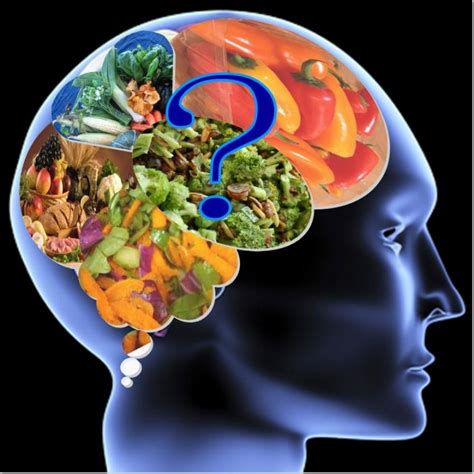
Your brain is an incredibly demanding organ, consuming a significant portion of your daily energy. Optimizing its function requires a steady supply of specific nutrients.
Omega-3 Fatty Acids: Brain’s Best Friend
Found in fatty fish (salmon, mackerel, sardines), flaxseeds, and walnuts, Omega-3s (especially DHA and EPA) are crucial for brain structure and function. They play a role in memory, learning, and mood regulation, while also reducing brain inflammation.
B Vitamins: Neurotransmitter Support
B vitamins (B6, B9, B12) are essential cofactors for numerous metabolic processes in the brain, including the production of neurotransmitters like serotonin and dopamine, which influence mood, focus, and memory. Leafy greens, whole grains, eggs, and lean meats are excellent sources.
Antioxidants: Protecting Brain Cells
Fruits and vegetables rich in antioxidants (berries, dark leafy greens, colorful peppers) help combat oxidative stress, which can damage brain cells and impair cognitive performance. Aim for a wide variety of colors on your plate to get a broad spectrum of these protective compounds.
The Gut-Brain Axis: A Two-Way Street
A healthy gut microbiome is increasingly linked to better cognitive function and mental well-being. Incorporate fermented foods (yogurt, kefir, sauerkraut) and plenty of fiber-rich plant foods to support a diverse and thriving gut flora.

Accelerating Physical and Mental Recovery
Whether recovering from a strenuous workout, a stressful workday, or simply the demands of daily life, nutrition plays a critical role in repairing, rebuilding, and rejuvenating your body.
Protein for Muscle Repair and Growth
Post-exercise, consuming adequate protein (e.g., a protein shake, chicken breast, or lentils) is paramount for repairing muscle tissue damage and promoting growth. Aim for a quick source of protein soon after physical activity.
Anti-Inflammatory Foods: Reducing Soreness
Foods rich in antioxidants and anti-inflammatory compounds can help reduce post-exercise muscle soreness and accelerate recovery. Cherries, turmeric, ginger, and green tea are excellent choices.
Electrolytes: Rebalancing Your System
During intense physical activity or periods of stress, you lose electrolytes (sodium, potassium, magnesium). Replenishing these through foods like bananas, leafy greens, nuts, and mineral-rich water is crucial for nerve function, muscle contractions, and hydration.
Sleep-Supporting Nutrients: The Ultimate Recovery Tool
Magnesium (leafy greens, nuts, seeds), calcium (dairy, fortified plant milks), and B vitamins contribute to better sleep quality, which is when the majority of physical and mental recovery occurs. Tryptophan-rich foods (turkey, milk, bananas) can also aid in serotonin and melatonin production.

Practical Strategies for Optimized Nutrition
Implementing these nutritional principles into your daily life doesn’t have to be complicated. Focus on consistency and balance.
- Prioritize Whole Foods: Base your diet around unprocessed, nutrient-dense foods, limiting refined sugars, processed snacks, and excessive saturated fats.
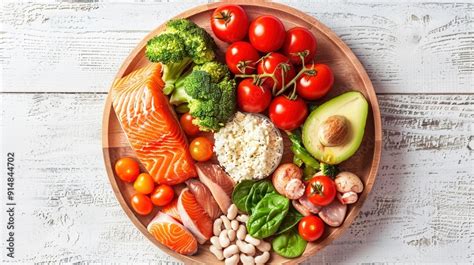
- Balanced Meals: Aim for a plate that includes a lean protein, complex carbohydrate, healthy fat, and plenty of colorful vegetables at each main meal.
- Consistent Timing: Eating regular, balanced meals and snacks can help stabilize blood sugar and energy levels throughout the day.
- Listen to Your Body: Pay attention to how different foods make you feel. Are you energized or sluggish? This biofeedback is invaluable.
- Consider Supplementation Wisely: While a whole-food diet is primary, certain supplements (e.g., Vitamin D, Omega-3s, a multivitamin) might be beneficial to fill nutritional gaps, especially after consulting with a healthcare professional.

Conclusion: A Holistic Approach to Well-being
Optimizing your nutrition is a powerful, proactive step towards achieving peak energy, sharpening cognitive function, and accelerating recovery. It’s not about restrictive diets but about making smart, sustainable choices that nourish your body and mind from the inside out. By focusing on whole, nutrient-dense foods, staying hydrated, and understanding the specific needs for energy, brain health, and recovery, you empower yourself to live a more vibrant, productive, and resilient life. Embrace the journey of nutritional optimization and unlock your true potential.