



Optimize performance: What pre-workout nutrition maximizes energy & muscle?
Fueling Your Workout: The Science Behind Pre-Workout Nutrition
Preparing your body for a challenging workout involves more than just a warm-up; it demands strategic nutritional planning. What you eat before you hit the gym or track can significantly impact your energy levels, endurance, strength, and even your ability to build and recover muscle. The goal of pre-workout nutrition is to provide your body with the necessary fuel to perform at its peak, minimize fatigue, and set the stage for optimal post-workout recovery and growth.
Carbohydrates: Your Primary Energy Source
Carbohydrates are your body’s preferred and most efficient source of energy, converted into glucose and stored as glycogen in your muscles and liver. Adequate glycogen stores are critical for high-intensity, prolonged exercise. Without enough carbs, your body will struggle to maintain energy output, leading to premature fatigue and a potential drop in performance.
For pre-workout fuel, focus on complex carbohydrates (like oats, sweet potatoes, whole grains) 2-3 hours before training for sustained energy release, or simpler carbs (like fruits, rice cakes) 30-60 minutes prior for a quicker boost, especially if your mealtime is closer to your workout.
Protein: Protecting and Building Muscle
Consuming protein before a workout helps kickstart muscle protein synthesis, which is the process of repairing and building muscle tissue. It also plays a crucial role in preventing muscle protein breakdown during intense exercise, ensuring that your body has amino acids readily available to support muscle integrity. While not a primary energy source, protein’s presence helps create an anabolic (muscle-building) environment.
Opt for easily digestible protein sources such as lean chicken, fish, Greek yogurt, or a whey protein shake. Around 20-30 grams of protein, combined with carbohydrates, is generally recommended.
The Role of Healthy Fats (and why less pre-workout)
While healthy fats are an essential part of an overall balanced diet and provide a long-term energy source, they are generally not prioritized directly before a workout. Fats slow down digestion, which can lead to stomach discomfort or sluggishness during exercise. Therefore, it’s best to keep fat intake relatively low in your immediate pre-workout meal, saving higher fat meals for earlier in the day.
Hydration: The Unsung Hero
Often overlooked, proper hydration is fundamental for optimal performance. Dehydration, even mild, can significantly impair strength, power, and endurance, as well as lead to cramps and dizziness. Water plays a vital role in nutrient transport, temperature regulation, and joint lubrication.
Aim to drink plenty of water throughout the day, and specifically consume 16-20 ounces of water 2-3 hours before your workout, followed by 8-10 ounces 15-30 minutes beforehand.

Strategic Timing: When to Eat for Optimal Results
The timing of your pre-workout meal is almost as important as its contents. Eating too close to your workout can cause digestive issues, while eating too far in advance can leave you running on empty. The ideal window depends on the size and composition of your meal:
- 2-3 hours before: A balanced meal containing complex carbohydrates, lean protein, and a small amount of healthy fats.
- 30-60 minutes before: A smaller, easily digestible snack rich in simple carbohydrates and some protein, such as a banana with a scoop of whey protein.
Key Pre-Workout Supplements (Optional Boosts)
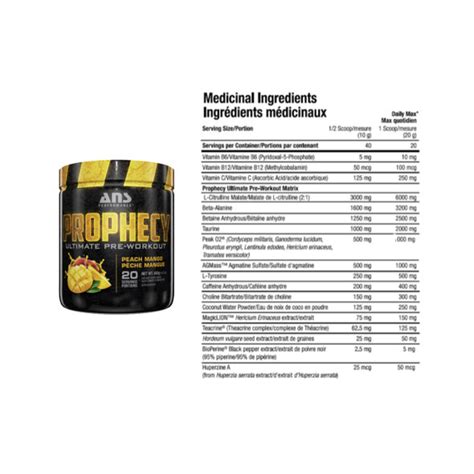
While whole foods form the foundation of pre-workout nutrition, certain supplements can offer an additional edge for some individuals. Creatine monohydrate supports strength and power, caffeine can enhance focus and reduce perceived exertion, and BCAAs (branched-chain amino acids) may help reduce muscle breakdown. Always consult with a healthcare professional or registered dietitian before introducing new supplements, and remember they are meant to complement, not replace, a solid nutritional strategy.
Sample Pre-Workout Meal Ideas
- 2-3 Hours Before: Oatmeal with berries and a scoop of protein powder; Chicken breast with sweet potato and a side of steamed vegetables.
- 30-60 Minutes Before: Banana with a small handful of almonds; Rice cakes with a thin layer of almond butter; Greek yogurt with a sprinkle of granola.

Listen to Your Body: Individualization is Key
No two bodies are exactly alike. What works perfectly for one person might cause discomfort or be ineffective for another. Experiment with different foods, timing, and quantities to discover what fuels your body best for optimal performance. Pay attention to how you feel during and after your workouts, and adjust your pre-workout nutrition accordingly.

Conclusion
Optimizing your pre-workout nutrition is a powerful tool for maximizing energy, protecting muscle, and enhancing overall athletic performance. By strategically combining carbohydrates for energy, protein for muscle support, and ensuring proper hydration, you can significantly improve your training sessions and accelerate your progress towards your fitness goals. Fuel smart, train hard, and watch your performance soar.