


How to optimize pre-workout nutrition for peak energy & strength?

For anyone serious about their fitness goals, whether it’s lifting heavier, running faster, or improving endurance, what you eat before you hit the gym plays a pivotal role. Pre-workout nutrition isn’t just about staving off hunger; it’s about strategically fueling your body to unlock peak energy levels, optimize strength, and accelerate recovery.
The Foundational Principles of Pre-Workout Fueling
Think of your body as a high-performance vehicle. Just as a car needs the right type of fuel to run efficiently, your muscles require specific nutrients to perform at their best. The primary goals of pre-workout nutrition are to:
- Provide readily available energy (glucose) to prevent fatigue.
- Protect muscle tissue from breakdown during intense exercise.
- Support hydration and electrolyte balance.
- Enhance focus and mental clarity.
Mastering Macronutrient Timing and Choices
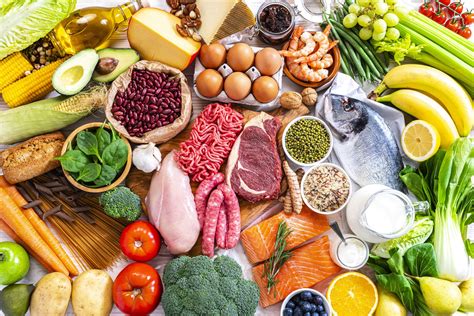
The type and amount of macronutrients—carbohydrates, proteins, and fats—you consume, along with the timing, are crucial for optimizing your workout.
Carbohydrates: Your Primary Energy Source
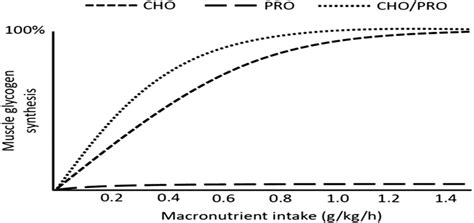
Carbohydrates are your body’s preferred fuel source, especially for high-intensity activities. They are broken down into glucose, which is stored as glycogen in your muscles and liver.
- Complex Carbohydrates (2-3 hours pre-workout): Opt for slow-digesting carbs like oats, whole-wheat toast, brown rice, or sweet potatoes. These provide a sustained release of energy, preventing mid-workout crashes.
- Simple Carbohydrates (30-60 minutes pre-workout): If you’re short on time, a banana, a piece of fruit, or a small handful of dried fruit can offer a quick burst of energy without weighing you down.
Protein: Muscle Protection and Repair
Consuming protein before a workout helps prevent muscle breakdown during exercise and kickstarts the recovery process. It also aids in muscle protein synthesis, essential for growth and repair.
- Lean Protein Sources: Chicken breast, turkey, fish, eggs, Greek yogurt, or a scoop of whey protein are excellent choices. Aim for about 20-30 grams of protein.

Fats: Limit for Immediate Performance
While healthy fats are vital for overall health, they slow down digestion, which can lead to stomach discomfort or sluggishness if consumed in large quantities immediately before a workout. Keep fat intake low in your pre-workout meal.
- If consuming a larger meal 2-3 hours out, a small amount of healthy fat (e.g., avocado, nuts) is acceptable.
The Critical Role of Timing
When you eat is almost as important as what you eat.
- 2-3 Hours Before: The Full Meal
This is the ideal window for a balanced meal rich in complex carbohydrates, moderate protein, and low fat. This allows ample time for digestion and nutrient absorption. - 30-60 Minutes Before: The Quick Snack
If you’re training soon, opt for easily digestible simple carbohydrates and a small amount of protein. The goal here is a quick energy boost without taxing your digestive system.

Hydration: Don’t Forget to Drink Up!
Proper hydration is non-negotiable for peak performance. Dehydration, even mild, can significantly impair strength, endurance, and cognitive function.
- Drink plenty of water throughout the day.
- Aim for 500-600 ml (17-20 oz) of water 2-3 hours before your workout.
- Drink another 200-300 ml (7-10 oz) 20-30 minutes before exercising.
- Consider electrolytes if your workout is long or intense, or if you sweat a lot.
Sample Pre-Workout Nutrition Ideas
For 2-3 Hours Before:
- Oatmeal with berries and a scoop of protein powder.
- Grilled chicken breast with sweet potato and a small side salad.
- Whole-wheat toast with avocado (small amount) and scrambled eggs.

For 30-60 Minutes Before:
- Banana with a spoonful of peanut butter (small).
- Greek yogurt with a few berries.
- Rice cakes with a thin layer of jam.
- A small fruit smoothie.
What to Avoid Pre-Workout
Just as important as what to eat is what to skip to prevent discomfort and hindered performance.
- High-Fat Foods: Fried foods, creamy sauces, and fatty cuts of meat digest slowly and can cause cramps or sluggishness.
- High-Fiber Foods (in excess): While healthy, too much fiber right before a workout can lead to bloating and gas for some individuals.
- Sugary Drinks & Candy: These can cause a rapid spike and then crash in blood sugar, leaving you fatigued.
- New Foods: Stick to foods you know your body tolerates well to avoid unexpected digestive issues.
Conclusion: Fuel Smart, Train Hard
Optimizing your pre-workout nutrition is a powerful strategy to unlock your full potential in every session. By understanding the roles of macronutrients, timing your meals effectively, and staying hydrated, you can ensure your body is perfectly primed for peak energy and strength. Experiment with different foods and timings to discover what works best for your individual body and workout routine, and watch your performance soar.