




How to naturally boost men’s testosterone for peak energy & performance?
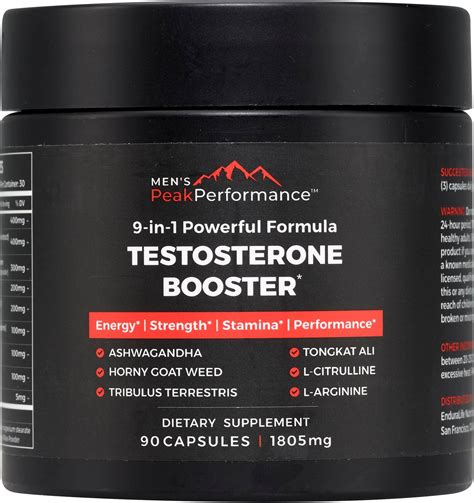
Understanding Testosterone’s Role in Men’s Health
Testosterone is a pivotal hormone in men, influencing far more than just libido and muscle mass. Optimal testosterone levels are crucial for maintaining energy, mood, cognitive function, bone density, and overall vitality. As men age, testosterone levels naturally begin to decline, often leading to symptoms like fatigue, decreased strength, reduced motivation, and weight gain. While medical interventions exist, many men are seeking natural, sustainable ways to support their body’s own testosterone production.
Embracing a holistic approach that integrates diet, exercise, lifestyle adjustments, and stress management can significantly impact your hormonal health. This article will guide you through evidence-based natural methods to help elevate your testosterone for peak energy and performance.

Optimize Your Nutrition: Fueling Testosterone Production
What you eat directly impacts your hormonal balance. A diet rich in specific nutrients can support testosterone synthesis, while certain deficiencies or excesses can hinder it.
Prioritize Healthy Fats
- Monounsaturated Fats: Found in avocados, olive oil, and nuts, these fats are essential for hormone production.
- Saturated Fats: While often demonized, healthy sources like coconut oil, grass-fed butter, and red meat, in moderation, provide cholesterol, a precursor to testosterone.
- Omega-3 Fatty Acids: From fatty fish (salmon, mackerel), flaxseeds, and chia seeds, these reduce inflammation and support overall cellular health.
Include Protein and Micronutrients
- Lean Protein: Chicken, turkey, lean beef, eggs, and legumes provide amino acids necessary for muscle repair and hormone synthesis.
- Zinc: Crucial for testosterone production, found in oysters, red meat, pumpkin seeds, and spinach.
- Vitamin D: More a hormone than a vitamin, adequate levels are strongly linked to healthy testosterone. Get sun exposure and consider fortified foods or supplements.
- Magnesium: Important for countless bodily functions, including hormone regulation. Found in dark leafy greens, nuts, and whole grains.
Foods to Moderate or Avoid
Limit processed foods, excessive sugar, trans fats, and alcohol, as these can negatively impact hormone levels and overall health.

Exercise Smart: The Right Moves for Higher T
Physical activity is a powerful testosterone booster, but the type and intensity matter. Consistency is key.
Strength Training
Lifting weights, especially compound exercises (squats, deadlifts, bench press, rows), stimulates significant testosterone release. Focus on lifting heavier weights with fewer repetitions (e.g., 6-12 reps per set) to maximize the anabolic response.
High-Intensity Interval Training (HIIT)
Short bursts of intense exercise followed by brief recovery periods have been shown to elevate testosterone. Incorporate sprints, cycling, or bodyweight circuits into your routine a few times a week.
Avoid Overtraining
While exercise is beneficial, excessive or prolonged cardio without adequate recovery can elevate cortisol (a stress hormone) and suppress testosterone. Balance your workouts with rest days.

Prioritize Quality Sleep: The Hormonal Reset
Sleep is when your body repairs and regenerates, including hormone production. Chronic sleep deprivation can significantly lower testosterone levels.
- Aim for 7-9 hours: Most research suggests that consistently getting less than 7 hours of sleep can significantly reduce testosterone.
- Maintain a consistent sleep schedule: Go to bed and wake up around the same time each day, even on weekends.
- Optimize your sleep environment: Ensure your bedroom is dark, quiet, and cool. Avoid screens before bed.
Manage Stress Effectively: Taming Cortisol
Chronic stress leads to elevated cortisol levels. High cortisol directly competes with testosterone, as both are produced from the same precursor molecule. When cortisol is high, testosterone tends to be low.
- Practice mindfulness and meditation: Even short daily sessions can reduce stress.
- Engage in hobbies: Dedicate time to activities you enjoy to relax and de-stress.
- Spend time in nature: “Forest bathing” or simply being outdoors can lower stress hormones.
- Consider adaptogens: Herbs like Ashwagandha can help the body manage stress and have been linked to testosterone support.

Additional Lifestyle Factors for Testosterone Optimization
- Maintain a Healthy Body Weight: Excess body fat, particularly around the midsection, increases the enzyme aromatase, which converts testosterone into estrogen. Losing weight can significantly improve testosterone levels.
- Limit Alcohol Intake: Excessive alcohol consumption can directly damage Leydig cells in the testes, which produce testosterone.
- Avoid Endocrine Disruptors: Be mindful of exposure to chemicals like BPA (found in some plastics) and phthalates, which can interfere with hormone function.

Conclusion: A Holistic Path to Peak Performance
Naturally boosting testosterone isn’t about a single magic pill; it’s about embracing a comprehensive healthy lifestyle. By consistently prioritizing nutrient-rich foods, intelligent exercise, sufficient sleep, and effective stress management, you can create an optimal environment for your body to produce and utilize testosterone effectively. This holistic approach not only aims to elevate your testosterone but also contributes to improved energy, sharper focus, greater strength, and an overall enhanced quality of life. Always consult with a healthcare professional before making significant dietary or lifestyle changes, especially if you have underlying health conditions.