



Optimize male vitality: what diet truly boosts testosterone & energy?

The Crucial Link Between Diet, Testosterone, and Energy
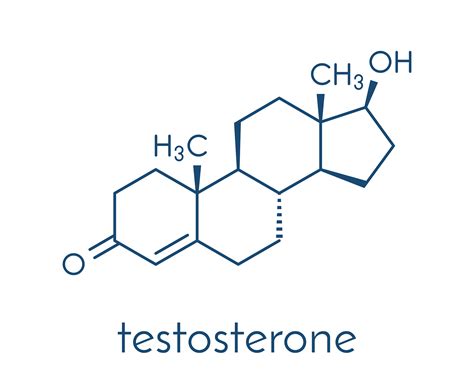
For men seeking to reclaim or optimize their vitality, the conversation often circles back to diet. Beyond gym routines and supplements, what you eat fundamentally influences your hormonal balance, particularly testosterone, and your daily energy levels. Low testosterone (Low T) can manifest as fatigue, reduced libido, muscle loss, and mood changes, all of which are exacerbated by suboptimal nutritional choices. Conversely, a well-structured diet can be a powerful tool to naturally support healthy testosterone production and provide the sustained energy needed to thrive.
Key Nutrients for Testosterone Optimization
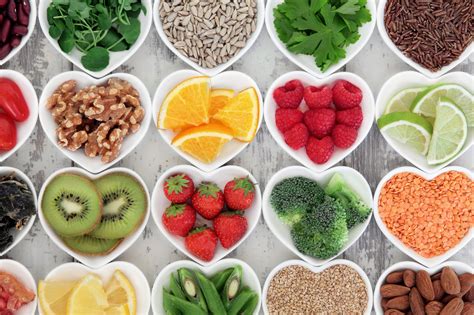
Boosting testosterone isn’t about eating one ‘miracle food’ but rather ensuring a consistent intake of specific vitamins, minerals, and macronutrients critical for hormone synthesis and overall metabolic health.
Zinc: The Mineral Powerhouse
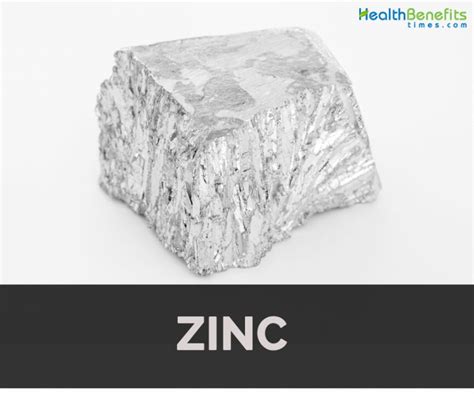
Zinc is indispensable for testosterone production. Studies have shown that even a marginal zinc deficiency can lead to a significant drop in testosterone levels. It also plays a vital role in immune function and protein synthesis. Incorporate zinc-rich foods like oysters (a legendary source), red meat, poultry, beans, nuts, and whole grains into your diet.
Vitamin D: The Sunshine Vitamin
Often referred to as a hormone itself, Vitamin D is crucial for numerous bodily functions, including male hormone production. Research indicates a strong correlation between adequate Vitamin D levels and higher testosterone. While sunlight is the primary source, dietary sources include fatty fish (salmon, mackerel), fortified milk, and egg yolks.
Healthy Fats: Essential for Hormone Production
Forget the old ‘low-fat’ dogma; healthy fats are paramount for testosterone synthesis. Cholesterol, a precursor to testosterone, comes from dietary fats. Focus on monounsaturated and polyunsaturated fats found in avocados, olive oil, nuts, seeds, and fatty fish. Saturated fats from quality sources in moderation are also beneficial.
Protein: Building Blocks and Energy
Adequate protein intake supports muscle growth, repair, and satiety, all of which contribute to better body composition and energy. Protein also provides the amino acids necessary for various physiological processes. Opt for lean meats, poultry, fish, eggs, dairy, and plant-based proteins like legumes and tofu.
Foods to Embrace for Male Vitality
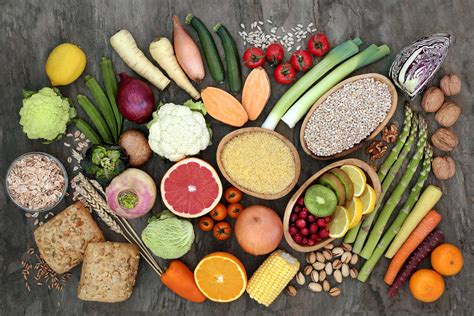
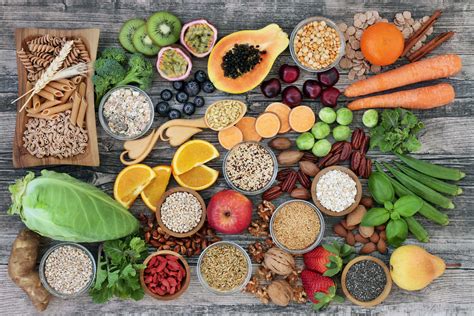
Beyond specific nutrients, integrating a variety of whole, unprocessed foods will provide a synergistic effect on your vitality.
Leafy Greens and Cruciferous Vegetables
Spinach, kale, broccoli, cauliflower, and Brussels sprouts are packed with vitamins, minerals, and antioxidants. Cruciferous vegetables, in particular, contain compounds like indole-3-carbinol, which help your body metabolize estrogen, potentially leading to a more favorable testosterone-to-estrogen ratio.
Berries and Antioxidant-Rich Fruits
Blueberries, raspberries, strawberries, and other colorful fruits are loaded with antioxidants that combat oxidative stress, which can negatively impact testosterone levels. They also provide natural sugars for sustained energy without the crash associated with refined sugars.
Whole Grains and Complex Carbohydrates
Complex carbohydrates from sources like oats, quinoa, brown rice, and sweet potatoes provide a steady release of glucose, fueling your body and brain. They also help regulate cortisol (stress hormone) levels, which can indirectly support testosterone production.
Foods to Limit or Avoid
Just as important as what you eat is what you *don’t* eat. Certain foods can actively suppress testosterone and drain energy.
- Processed Foods and Sugary Drinks: High in refined sugars, unhealthy fats, and artificial ingredients, these can lead to insulin resistance, inflammation, and weight gain, all detrimental to testosterone.
- Excess Alcohol: Chronic heavy alcohol consumption can directly impair testicular function and liver metabolism, leading to reduced testosterone.
- Soy Products (in excess): While fermented soy can be healthy, high intake of unfermented soy products may have estrogenic effects in some individuals, potentially impacting hormone balance.
- Unhealthy Trans Fats: Found in many fried foods and baked goods, these fats promote inflammation and negatively affect cardiovascular health and hormone production.
Hydration and Lifestyle Factors
Don’t underestimate the power of hydration. Water is essential for every bodily function, including hormone transport and energy metabolism. Aim for at least 8 glasses of water daily. Furthermore, sufficient sleep, regular exercise (especially strength training), and stress management are non-negotiable pillars for optimal male vitality that work synergistically with a healthy diet.
Conclusion
Optimizing male vitality through diet is a holistic endeavor. By prioritizing whole, nutrient-dense foods rich in zinc, Vitamin D, healthy fats, and quality protein, while simultaneously limiting processed foods and unhealthy substances, men can significantly support their testosterone levels and experience a profound boost in sustained energy. Remember, consistency is key, and dietary changes are most effective when integrated into a broader healthy lifestyle approach.