





Optimize recovery: What daily habits boost men’s fitness & peak performance?

For men committed to pushing their physical limits, performance isn’t just about the intensity of their workouts; it’s profoundly shaped by the quality of their recovery. True peak performance and sustained fitness gains hinge on what happens outside the gym. By integrating specific daily habits, men can optimize their physiological processes, reduce injury risk, and unlock their full potential.
The Foundation: Prioritizing Quality Sleep
Sleep is arguably the most powerful recovery tool at a man’s disposal. During deep sleep cycles, the body repairs muscle tissue, synthesizes growth hormones crucial for muscle development, and consolidates memories. Chronic sleep deprivation can lead to decreased testosterone levels, impaired cognitive function, reduced athletic performance, and a higher risk of injury.
Aim for 7-9 hours of quality sleep nightly. Establish a consistent sleep schedule, even on weekends, and create a conducive sleep environment by keeping your bedroom dark, cool, and quiet. Limit screen time before bed and avoid heavy meals, caffeine, and alcohol close to bedtime to improve sleep latency and quality.

Fueling Performance: Strategic Nutrition & Hydration
What you eat and drink directly impacts your body’s ability to repair, rebuild, and perform. A diet rich in lean proteins, complex carbohydrates, healthy fats, and a diverse array of micronutrients is non-negotiable for active men. Protein is vital for muscle repair and growth, while complex carbs replenish glycogen stores, providing sustained energy. Healthy fats support hormone production and nutrient absorption.
Equally critical is hydration. Dehydration, even mild, can significantly impair physical and cognitive performance, reduce endurance, and hinder recovery. Aim to drink plenty of water throughout the day, adjusting intake based on activity levels and climate. Electrolyte-rich beverages can be beneficial during and after intense workouts.

Beyond the Workout: Active Recovery & Mobility
Rest days don’t always mean complete inactivity. Active recovery—light activities like walking, cycling, or swimming—can enhance blood flow, reduce muscle soreness, and flush out metabolic waste products without adding significant stress. Incorporating dynamic stretching, foam rolling, and mobility work into your daily routine also plays a crucial role.
These practices improve range of motion, prevent muscle imbalances, and can significantly reduce the risk of injury. Spending just 10-15 minutes a day on mobility can make a profound difference in how your body feels and performs, allowing you to hit your next workout stronger and more resilient.

Mastering Mental Resilience: Stress Management
Chronic stress, whether from work, relationships, or even overtraining, can severely impede recovery and performance. Elevated cortisol levels, the body’s primary stress hormone, can lead to muscle breakdown, fat gain, and impaired immune function. Effective stress management is not just about mental well-being; it’s a physiological imperative for fitness.
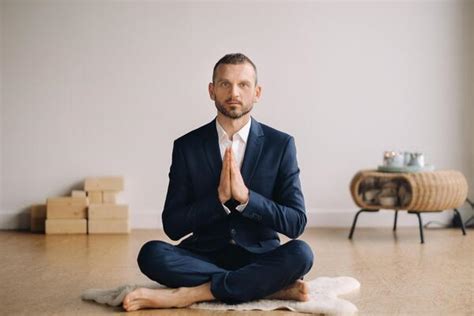
Integrate practices like mindfulness meditation, deep breathing exercises, spending time in nature, or engaging in hobbies that provide genuine relaxation. Ensuring adequate downtime and disconnecting from digital devices can help regulate your nervous system, promoting a state conducive to recovery and optimal performance.
The Power of Consistency & Progressive Adaptation
The cumulative effect of these daily habits is far greater than any single one in isolation. Consistency is key. It’s not about perfect execution every day, but about building sustainable routines that become second nature. Listen to your body, understand its signals for rest and recovery, and be willing to adapt your routine as your fitness level evolves.
By making these recovery-focused habits a non-negotiable part of your daily life, you’re not just preventing burnout; you’re actively building a more resilient, high-performing physique. This holistic approach ensures that every drop of effort you put into your training translates into tangible gains, propelling you towards peak fitness and sustained well-being.