



How to naturally optimize testosterone for peak male performance & energy?
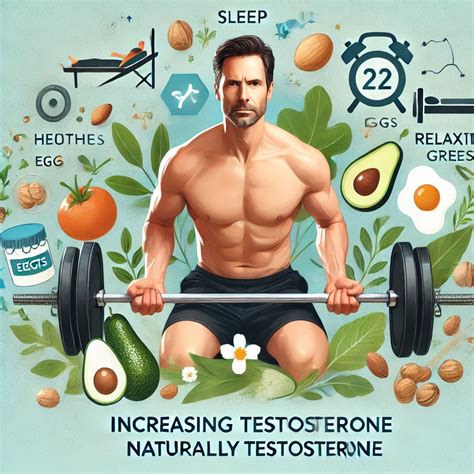
Testosterone, often hailed as the cornerstone of male vitality, plays a pivotal role in far more than just muscle mass and sex drive. Optimal testosterone levels contribute to sustained energy, sharp cognitive function, robust bone density, and a positive mood. In an age where environmental factors and lifestyle choices can subtly diminish this crucial hormone, understanding how to naturally optimize it becomes paramount for men seeking peak performance and a vibrant life.
The Cornerstone of Male Vitality: Understanding Testosterone
Low testosterone can manifest in various ways, including persistent fatigue, reduced libido, difficulty building muscle, increased body fat, and even mood disturbances. While pharmaceutical interventions exist, a holistic, natural approach can yield significant, sustainable results by addressing the root causes of imbalance.

Fueling Your Hormones: The Power of Nutrition
Your diet is a direct influencer on hormone production. To support healthy testosterone levels, prioritize nutrient-dense whole foods:
- Healthy Fats: Cholesterol is a precursor to testosterone. Incorporate sources like avocados, nuts, seeds, olive oil, and fatty fish (salmon, mackerel) rich in monounsaturated and omega-3 fatty acids.
- Lean Protein: Essential for muscle repair and hormone synthesis. Include grass-fed meats, poultry, eggs, and legumes.
- Cruciferous Vegetables: Broccoli, cauliflower, kale, and Brussels sprouts contain compounds that help regulate estrogen, ensuring a healthier testosterone balance.
- Zinc and Vitamin D Rich Foods: Zinc (oysters, beef, pumpkin seeds) and Vitamin D (fatty fish, fortified foods, sunlight) are critical micronutrients directly linked to testosterone production.
Move Smarter, Not Just Harder: Exercise Strategies
Physical activity is a powerful testosterone booster, but the type of exercise matters:
- Strength Training: Compound movements like squats, deadlifts, bench presses, and rows stimulate significant testosterone release. Focus on lifting heavy weights with proper form for 3-4 sessions per week.
- High-Intensity Interval Training (HIIT): Short bursts of intense exercise followed by brief recovery periods have been shown to increase testosterone levels. Examples include sprints or cycling intervals.
- Avoid Overtraining: Chronic, excessive endurance exercise without adequate recovery can actually decrease testosterone. Listen to your body and prioritize rest.
The Foundation of Recovery: Prioritizing Quality Sleep
Sleep deprivation is a silent killer of testosterone. The majority of your daily testosterone production occurs during deep sleep stages. Aim for 7-9 hours of high-quality, uninterrupted sleep per night. Implement a consistent sleep schedule, create a dark, cool, and quiet bedroom environment, and avoid screens before bed to optimize melatonin and growth hormone release, which in turn support testosterone.
Mastering Your Mind: Stress Reduction Techniques
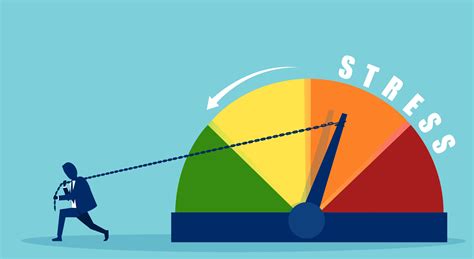
Chronic stress elevates cortisol, a hormone that directly antagonizes testosterone. High cortisol levels can suppress testosterone production. Incorporate stress-reducing practices into your daily routine:
- Mindfulness and Meditation: Regular practice can significantly lower stress hormones.
- Deep Breathing Exercises: Simple techniques can calm the nervous system quickly.
- Nature Exposure: Spending time outdoors reduces stress and improves mood.
- Hobbies and Relaxation: Engage in activities you enjoy to unwind and de-stress.
Lifestyle Tweaks for Optimal Hormone Function
- Limit Alcohol Consumption: Excessive alcohol can negatively impact testosterone production and liver function, which is crucial for hormone metabolism.
- Maintain a Healthy Weight: Excess body fat, particularly visceral fat around the abdomen, increases an enzyme called aromatase, which converts testosterone into estrogen.
- Sun Exposure: Adequate sunlight helps synthesize Vitamin D, which is directly linked to testosterone levels. Aim for safe, moderate sun exposure.
- Avoid Endocrine Disruptors: Minimize exposure to plastics (BPA, phthalates), pesticides, and certain personal care products that can interfere with hormone balance.

The Holistic Path to Peak Performance
Naturally optimizing testosterone is not about quick fixes but rather a consistent commitment to a healthy lifestyle. By meticulously addressing diet, exercise, sleep, and stress, men can unlock their innate potential for peak physical performance, sustained energy, mental clarity, and overall well-being. Embrace these natural strategies, and feel the transformative power of balanced hormones.