



Prevent ingrown hairs for a clean, professional shave?

Understanding Ingrown Hairs
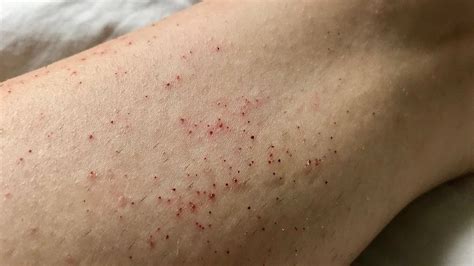
Ingrown hairs, also known as razor bumps or pseudofolliculitis barbae, are a common and frustrating issue for many individuals who shave. They occur when a shaved hair curls back into the skin and grows inward, causing inflammation, redness, and sometimes painful bumps. This often happens because the hair follicle becomes clogged, or the hair itself has a naturally curly texture, making it prone to re-entering the skin.
While ingrown hairs can affect anyone, they are particularly prevalent in individuals with coarse or curly hair. Preventing them is crucial not only for comfort but also for maintaining a consistently clean and professional appearance.
Essential Steps for Prevention
1. Prepare Your Skin Thoroughly
Preparation is the cornerstone of preventing ingrown hairs. Begin with a warm shower or by applying a hot towel to your face for a few minutes. This softens the hair and opens up the pores, making the hair easier to cut and reducing the likelihood of it curling back into the skin.
Before applying shaving cream, gently exfoliate your skin. Use a mild facial scrub or a soft brush in circular motions to remove dead skin cells that can trap hairs. This also helps lift the hairs away from the skin, ensuring a closer and smoother shave.

Consider using a pre-shave oil, especially if you have sensitive skin or coarse hair. Pre-shave oil creates a protective barrier between your skin and the razor, allowing for a smoother glide and reducing friction.
2. Master Your Shaving Technique
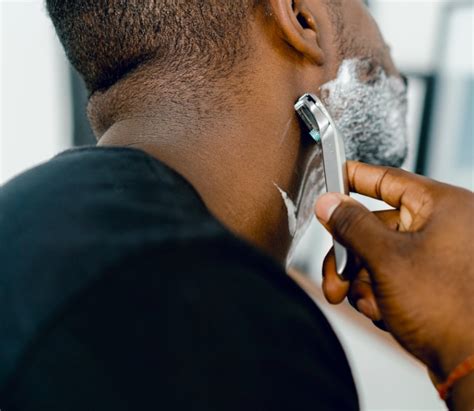
The way you shave significantly impacts the occurrence of ingrown hairs:
- Use a Sharp Blade: A dull blade can tug at hairs, leading to irritation and an uneven cut that increases the chance of ingrown hairs. Replace your razor blade after 5-7 uses, or sooner if you feel any tugging.
- Shave With the Grain: Always shave in the direction your hair grows, not against it. Shaving against the grain provides a closer shave but cuts the hair below the skin’s surface, making it more likely to grow back into the skin.
- Short, Light Strokes: Use short, controlled strokes without applying excessive pressure. Let the razor do the work. Rinse your razor frequently with warm water to prevent clogging.
- Avoid Multiple Passes: Try to minimize the number of times you go over the same area. If a second pass is needed, reapply shaving cream.

3. Implement Effective Post-Shave Care
What you do after shaving is just as important as your prep and technique:
- Rinse with Cold Water: After shaving, rinse your face with cool water to close the pores and soothe the skin.
- Apply Aftershave Balm: Choose an alcohol-free aftershave balm that soothes and moisturizes the skin. Alcohol-based aftershaves can dry out and irritate the skin, exacerbating the problem. Look for ingredients like aloe vera, chamomile, or salicylic acid (in mild concentrations) to reduce inflammation and prevent pore clogging.
- Moisturize Regularly: Keep your skin hydrated daily, not just on shaving days. Well-moisturized skin is more pliable and less prone to irritation.

4. Daily Maintenance and Habits
Beyond the shaving routine, consistent skincare can help prevent ingrown hairs:
- Regular Exfoliation: Continue to gently exfoliate your skin 2-3 times a week (even on non-shaving days) to prevent dead skin cells from accumulating and trapping hair follicles.
- Keep Skin Hydrated: Use a non-comedogenic moisturizer daily to maintain skin health and flexibility.
- Avoid Tight Clothing: If you experience ingrown hairs on your body (e.g., neck or chest), avoid tight clothing immediately after shaving, as friction can irritate hair follicles.
When Ingrown Hairs Still Appear
Even with the best practices, an ingrown hair might occasionally pop up. Resist the urge to pick or dig at it, as this can lead to infection, scarring, or hyperpigmentation. Instead, try applying a warm compress to the area to help bring the hair to the surface. You can also use products specifically formulated for ingrown hairs, often containing salicylic acid or glycolic acid, to gently exfoliate and free the trapped hair.
Conclusion
Achieving a clean, professional shave free from ingrown hairs is entirely possible with the right approach. By dedicating time to proper skin preparation, mastering a gentle shaving technique, and diligently caring for your skin post-shave, you can significantly reduce the occurrence of these irritating bumps. Embrace these habits as part of your regular grooming routine, and enjoy the confidence that comes with smooth, healthy skin.