


Optimal meal timing for sustained energy, muscle repair, and cognitive edge?

In the vast landscape of nutrition, while the ‘what’ we eat often takes center stage, the ‘when’ we eat is emerging as an equally powerful determinant of our overall health and performance. Optimal meal timing isn’t just about weight management; it’s a sophisticated strategy that can profoundly influence our energy levels, facilitate muscle repair and growth, and even sharpen our cognitive functions throughout the day.
The Science of Chrononutrition: Aligning with Your Body Clock
Our bodies operate on an intricate internal clock, known as circadian rhythms, which regulate everything from sleep-wake cycles to hormone release and metabolism. Chrononutrition is the study of how the timing of our food intake interacts with these rhythms. Eating in sync with our body’s natural schedule can optimize nutrient absorption, improve insulin sensitivity, and enhance metabolic efficiency, leading to better outcomes for energy, recovery, and brain power.

Sustained Energy: Fueling Your Day Strategically
To avoid energy dips and maintain consistent productivity, strategic meal timing is crucial. Starting the day with a balanced breakfast sets the metabolic tone, preventing mid-morning crashes. Spreading meals and snacks throughout the day, typically every 3-4 hours, helps to stabilize blood sugar levels and provide a steady supply of glucose, the brain’s primary fuel source, and essential nutrients to muscles.
- Breakfast (within 1-2 hours of waking): Focus on complex carbohydrates, lean protein, and healthy fats (e.g., oatmeal with berries and nuts, eggs with whole-wheat toast).
- Mid-morning/Mid-afternoon Snacks: Opt for nutrient-dense choices like fruit, yogurt, or a handful of almonds to bridge gaps and prevent overeating at main meals.
- Consistent Hydration: Often overlooked, adequate water intake is vital for energy production and nutrient transport.

Muscle Repair and Growth: Maximizing Anabolic Windows
For those focused on fitness, meal timing around workouts is paramount. The concept of an “anabolic window” – the idea that there’s a critical period post-exercise for nutrient intake to maximize muscle protein synthesis – has evolved. While not as narrow as once thought, consuming protein and carbohydrates around training sessions significantly aids recovery and growth.
- Pre-Workout (1-3 hours before): A meal with easily digestible carbohydrates and some protein provides energy for performance and minimizes muscle breakdown during exercise (e.g., banana and a small protein shake, rice cakes with peanut butter).
- Post-Workout (within 1-2 hours after): A combination of protein (20-40g) and carbohydrates (30-80g depending on intensity/duration) is ideal for glycogen replenishment and muscle protein synthesis (e.g., chicken and sweet potato, protein shake with fruit).
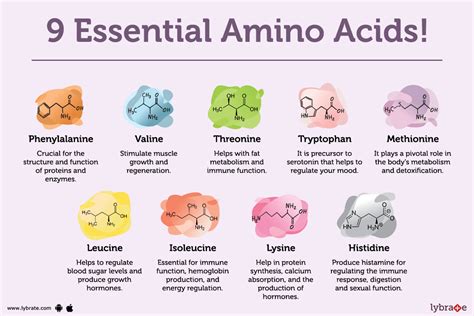
- Nighttime Nutrition: A slow-digesting protein like casein before bed can support muscle repair overnight, providing a steady stream of amino acids during fasting.

Cognitive Edge: Fueling Your Brain for Peak Performance
Your brain demands a consistent energy supply to function optimally. Meal timing can significantly impact focus, memory, and mood. Avoiding heavy, high-fat meals before mentally demanding tasks can prevent post-meal sluggishness, often referred to as “food coma.”
- Morning Fuel: A breakfast rich in omega-3s, antioxidants, and complex carbs supports brain health and sustained focus.
- Lunch Considerations: Opt for a balanced lunch that is not overly heavy. Lean protein, ample vegetables, and whole grains provide sustained energy without causing a dramatic blood sugar spike and subsequent crash.
- Avoid Late-Night Feasting: Eating large meals close to bedtime can disrupt sleep, which is crucial for cognitive restoration and memory consolidation.

The Role of Fasting and Metabolic Health
Beyond the regular meal schedule, practices like intermittent fasting have gained popularity, often emphasizing specific eating windows. While not for everyone, these approaches highlight that *not* eating at certain times can also be beneficial, allowing the body to enter a fasted state that promotes cellular repair, improves insulin sensitivity, and can impact metabolic flexibility. The key is to find a rhythm that supports your individual goals and health markers.
Ultimately, there is no one-size-fits-all “perfect” meal timing strategy. Individual needs vary based on activity level, metabolism, personal preferences, and health goals. However, understanding the principles of chrononutrition and how macronutrients affect your body at different times of the day empowers you to make informed choices. Experiment, listen to your body, and consider consulting with a nutrition professional to fine-tune your optimal meal timing strategy for sustained energy, enhanced muscle repair, and a sharper cognitive edge.