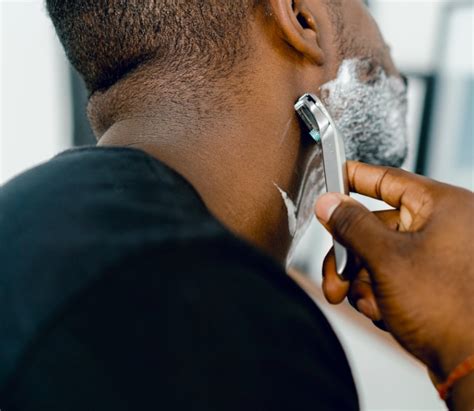





Redefine your shave: Prevent razor burn & ingrowns for peak performance?
Unlock the Secret to a Flawless Shave
For many, shaving is a daily ritual, yet it often comes with unwelcome side effects: the fiery sting of razor burn and the stubborn bumps of ingrown hairs. These nuisances not only detract from a clean appearance but can also impact your confidence. But what if you could transform this chore into a moment of self-care, achieving a consistently smooth, irritation-free shave every time? It’s not just a dream; it’s an achievable reality with the right knowledge and techniques.
This article will guide you through the essential steps and best practices to redefine your shaving experience, ensuring peak performance for your skin and your overall look.

Understanding Your Adversaries: Razor Burn & Ingrown Hairs
Before we can conquer razor burn and ingrown hairs, we must first understand what causes them.
Razor Burn: The Fiery Irritation
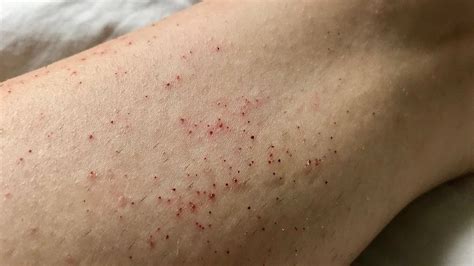
Razor burn is an acute skin irritation that manifests as redness, stinging, and sometimes small red bumps. It’s often caused by shaving too aggressively, using dull blades, shaving against the grain, or not adequately preparing the skin. The skin’s protective barrier is compromised, leading to inflammation.
Ingrown Hairs: The Stubborn Bumps
Ingrown hairs occur when a hair strand, instead of growing outward, curls back into the skin or grows sideways into the follicle wall. This is particularly common in individuals with coarse or curly hair. Contributing factors include improper shaving techniques (like pulling the skin taut), using dull razors, and dead skin cells blocking the follicle opening.
The Pre-Shave Ritual: Preparation is Key
A great shave begins long before the blade touches your skin. Proper preparation softens the hair, opens pores, and creates a protective barrier.
- Warm Water & Steam: Shave after a warm shower or apply a hot towel to your face for a few minutes. Heat and steam soften the hair follicles, making them easier to cut and reducing resistance.
- Exfoliate Gently: 2-3 times a week, use a gentle facial scrub to remove dead skin cells. This helps prevent follicles from becoming clogged and allows hairs to grow freely, significantly reducing the chance of ingrown hairs.
- Pre-Shave Oil: A quality pre-shave oil creates a slick barrier between your skin and the blade, providing extra lubrication and protection against nicks and irritation. Apply a few drops and massage gently.

Mastering the Shaving Technique
Your technique is paramount in preventing irritation and achieving a smooth finish.
Choose the Right Razor & Blades
- Sharp Blades are Non-Negotiable: A dull blade drags, pulls, and tugs at hairs, leading to irritation and multiple passes. Replace cartridge blades every 5-7 shaves or when you feel any pulling. For safety razors, a fresh blade for each shave is often preferred.
- Consider Your Razor Type: Multi-blade cartridges can be efficient but may also cut hairs below the skin surface, increasing ingrown risk. Double-edge safety razors or single-blade razors can offer a closer shave with less irritation for some, as they cut the hair at skin level.
Lather Up Properly
Use a rich, hydrating shaving cream or soap, not a cheap foam. Lather it generously with a brush to lift the hairs, create a dense cushion, and keep the skin moisturized. Let it sit for a minute or two before shaving.

The Shave Itself
- Go with the Grain (First Pass): Always start by shaving in the direction of hair growth. This minimizes tugging and reduces the risk of irritation. For a closer shave, a second pass can be done across the grain (perpendicular to growth), or even against the grain if your skin tolerates it, but proceed with caution.
- Light Touch, No Pressure: Let the razor do the work. Pressing too hard flattens hairs and scrapes the skin, leading to razor burn. Hold the razor lightly and use short, controlled strokes.
- Rinse Blade Frequently: Rinse your blade after every few strokes to prevent hair and cream buildup, ensuring a clean cut.
- Stretch, Don’t Pull: Instead of pulling your skin taut, gently stretch it in areas like the neck or jawline to create a flat surface.

The Post-Shave Care: Soothe & Protect
What you do after shaving is just as crucial as what you do before and during.
- Rinse with Cold Water: After shaving, rinse your face thoroughly with cold water to close pores and soothe the skin.
- Pat Dry, Don’t Rub: Gently pat your skin dry with a clean, soft towel to avoid irritating freshly shaved skin.
- Apply Aftershave Balm or Moisturizer: Avoid alcohol-based aftershaves, which can dry out and irritate the skin. Opt for a soothing, hydrating aftershave balm or a gentle moisturizer with ingredients like aloe vera, witch hazel, or chamomile. These help calm irritation, restore moisture, and prevent redness.
- Spot Treat Ingrowns (if needed): If you are prone to ingrowns, consider using a specialized ingrown hair treatment containing salicylic acid or glycolic acid a few times a week, away from your shaving routine.

Consistency is Key to Peak Performance
Achieving a consistently smooth, irritation-free shave is an ongoing process that requires attention to detail and consistency. By implementing these pre-shave, shaving, and post-shave practices, you’ll not only banish razor burn and ingrown hairs but also elevate your daily grooming routine. Embrace the art of a refined shave, and enjoy the confidence that comes with peak skin performance.
Invest in quality products, pay attention to your skin’s unique needs, and make these steps a mindful part of your routine. Your skin will thank you, and you’ll redefine what a “good shave” truly means.