



What nutritional strategy boosts natural testosterone for peak performance & male vitality?

Unlocking Male Vitality: The Nutritional Approach to Testosterone
Testosterone, the primary male sex hormone, plays a pivotal role in more than just libido. It’s essential for muscle mass, bone density, red blood cell production, mood regulation, and overall energy levels. For men seeking peak performance and sustained vitality, optimizing natural testosterone production through diet is a powerful and sustainable strategy. Rather than relying on external interventions, a well-crafted nutritional plan can provide the building blocks and regulatory signals your body needs to thrive.

The Cornerstone Nutrients for Testosterone Synthesis
To effectively boost natural testosterone, focus on incorporating specific macronutrients and micronutrients that directly support hormone production and regulation. It’s a symphony of dietary elements working in harmony.
1. Healthy Fats: Non-Negotiable for Hormones
Contrary to outdated beliefs, healthy fats are crucial for testosterone synthesis. Cholesterol, a precursor to testosterone, comes from fats in your diet. Emphasize monounsaturated and polyunsaturated fats, while including a moderate amount of saturated fats from quality sources.
- Sources: Avocados, olive oil, nuts (almonds, walnuts), seeds (chia, flax, pumpkin), fatty fish (salmon, mackerel), coconut oil, grass-fed butter.
2. Protein: The Building Blocks
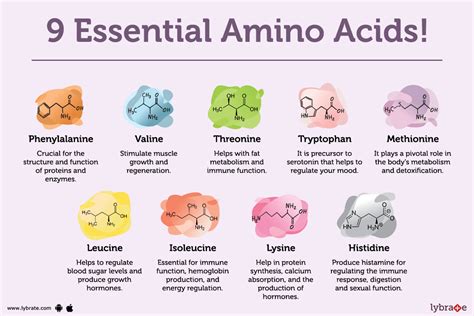
Adequate protein intake is vital not only for muscle repair and growth but also for overall hormone health. Ensure you’re getting a variety of high-quality protein sources throughout the day.
- Sources: Lean meats (beef, chicken, turkey), eggs, dairy (Greek yogurt, cottage cheese), fish, legumes, whey protein.
3. Carbohydrates: Energy and Regulation
While low-carb diets have their place, extremely restrictive carbohydrate intake can sometimes negatively impact testosterone levels. Complex carbohydrates provide essential energy for intense workouts and help regulate cortisol, a stress hormone that can suppress testosterone.
- Sources: Whole grains (oats, quinoa, brown rice), sweet potatoes, fruits, vegetables.
4. Micronutrient Powerhouses: Vitamins and Minerals
Certain vitamins and minerals are direct cofactors in testosterone production and regulation.
- Zinc: Perhaps the most critical mineral for testosterone. Zinc deficiency is directly linked to low T levels.
- Vitamin D: More accurately a hormone, Vitamin D receptors are found on Leydig cells in the testes, which produce testosterone. Sun exposure and supplementation are key.
- Magnesium: Plays a role in improving free (bioavailable) testosterone by reducing its binding to sex hormone-binding globulin (SHBG).
- Selenium: An antioxidant that supports overall testicular health.
- Boron: Research suggests it can increase free testosterone and reduce estrogen levels.
Foods to Prioritize for Natural Testosterone Boost
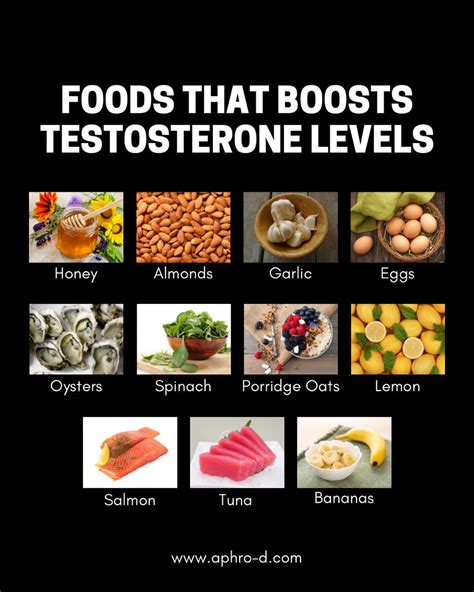
- Oysters: An absolute powerhouse of zinc.
- Fatty Fish (Salmon, Tuna, Mackerel): Rich in Vitamin D and Omega-3 fatty acids.
- Egg Yolks: A good source of Vitamin D and cholesterol, the precursor to testosterone.
- Leafy Green Vegetables (Spinach, Kale): Excellent sources of magnesium and other vital nutrients.
- Fortified Milk/Dairy Products: Provide Vitamin D.
- Beef (especially lean cuts): Rich in zinc, protein, and iron.
- Ginger: Some studies suggest it may help improve testosterone levels.
- Berries and Citrus Fruits: High in antioxidants and Vitamin C, which can help manage stress and support overall health.
Foods and Habits to Limit or Avoid
Just as important as what you include is what you exclude or limit. Certain dietary choices can inadvertently suppress testosterone.
- Excessive Sugar and Refined Carbs: Can lead to insulin resistance and inflammation, both detrimental to hormone balance.
- Processed Foods: Often high in unhealthy fats, sugar, and sodium, contributing to inflammation and poor metabolic health.
- Excessive Alcohol: Can disrupt the endocrine system and impair testosterone production.
- Soy Products (in excess): Phytoestrogens in soy can mimic estrogen in the body, potentially impacting testosterone levels if consumed in large quantities.
- Trans Fats: Found in many fried and processed foods, these are inflammatory and harmful to overall health, including hormone production.

Beyond Nutrition: Lifestyle Synergies
While nutrition is foundational, a holistic approach yields the best results. Complement your dietary strategy with these lifestyle factors:
- Adequate Sleep: Aim for 7-9 hours of quality sleep per night. Testosterone is primarily produced during sleep.
- Regular Exercise: Especially strength training and high-intensity interval training (HIIT), which have been shown to boost testosterone.
- Stress Management: Chronic stress elevates cortisol, which can directly suppress testosterone. Incorporate practices like meditation, yoga, or spending time in nature.
- Maintain a Healthy Weight: Obesity, particularly abdominal fat, is strongly associated with lower testosterone levels.

Crafting Your Personalized Testosterone-Boosting Plan
Implementing these strategies requires consistency and patience. Focus on making sustainable dietary changes rather than drastic overhauls. Start by integrating more whole, unprocessed foods, prioritizing healthy fats, quality proteins, and nutrient-dense vegetables. Pay attention to your body’s response and adjust as needed. Consulting with a healthcare professional or a registered dietitian can provide personalized guidance, especially if you have existing health conditions or suspect a significant testosterone imbalance.
By adopting a strategic nutritional approach, combined with healthy lifestyle habits, you can naturally optimize your testosterone levels, leading to enhanced physical performance, improved mood, and robust male vitality for years to come.