


How can I optimize daily nutrition for peak energy & mental clarity?

Fueling Your Body and Mind: The Nutritional Blueprint
In our demanding modern lives, maintaining high energy levels and sharp mental clarity is paramount. While factors like sleep and exercise play a crucial role, daily nutrition stands as a foundational pillar. What you eat directly impacts your brain’s performance, your body’s stamina, and your overall mood. Optimizing your diet isn’t just about avoiding unhealthy foods; it’s about strategically incorporating nutrients that actively support peak physical and cognitive function.
By making conscious choices about what and when you eat, you can unlock a sustained flow of energy and enhance your focus, memory, and problem-solving abilities. Let’s delve into the key nutritional strategies that can transform your daily performance.

The Power of Macronutrients: Sustained Energy and Brain Function
Complex Carbohydrates for Stable Fuel
Carbohydrates are your body’s primary energy source, and critically, the brain’s preferred fuel. Opt for complex carbohydrates found in whole grains (oats, quinoa, brown rice), legumes, and starchy vegetables (sweet potatoes). These break down slowly, providing a steady release of glucose into the bloodstream, preventing energy spikes and crashes that often follow refined sugars.
Lean Proteins for Building Blocks and Neurotransmitters
Protein is essential for muscle repair, satiety, and the production of neurotransmitters like dopamine and serotonin, which regulate mood, focus, and motivation. Incorporate lean protein sources such as chicken, fish, eggs, tofu, lentils, and Greek yogurt into every meal. This helps stabilize blood sugar, keeps you full, and provides the amino acids needed for optimal brain chemistry.
Healthy Fats for Brain Health and Satiety
Don’t fear fats; embrace the right ones! Healthy fats, particularly omega-3 fatty acids, are vital for brain structure and function, improving memory and cognitive processing. Sources include fatty fish (salmon, mackerel), chia seeds, flaxseeds, walnuts, avocados, and olive oil. These fats also contribute to sustained energy and feelings of fullness, preventing unnecessary snacking.

Micronutrients and Hydration: The Unsung Heroes
Vitamins and Minerals: The Catalysts of Energy
While macronutrients provide the fuel, micronutrients are the spark plugs. B vitamins (found in leafy greens, eggs, whole grains) are crucial for converting food into energy. Iron (red meat, spinach, lentils) prevents fatigue by supporting oxygen transport. Magnesium (nuts, seeds, dark chocolate) aids in muscle and nerve function and energy production. Vitamin D (sunlight, fortified foods, fatty fish) is linked to mood and cognitive function. Ensure a diverse intake of fruits, vegetables, and whole foods to cover your micronutrient needs.
Water: The Essential Elixir for Clarity
Dehydration, even mild, can significantly impair concentration, mood, and physical performance. Make water your primary beverage. Aim for at least 8 glasses (around 2 liters) daily, and more if you’re active or in a hot climate. Keep a water bottle handy and sip throughout the day to ensure optimal brain function and energy levels.

Strategic Eating: Timing and Quality
Prioritize Whole, Unprocessed Foods
The closer food is to its natural state, the more nutrients it retains. Minimize processed foods, sugary drinks, and artificial additives, which can lead to energy crashes, inflammation, and reduced mental acuity. Focus on vibrant fruits, colorful vegetables, lean proteins, and healthy fats.
Regular Meals and Smart Snacking
Eating balanced meals at regular intervals (every 3-4 hours) helps maintain stable blood sugar levels, preventing hunger pangs and energy slumps. If you need a snack, choose nutrient-dense options like a handful of nuts, a piece of fruit with nut butter, or Greek yogurt. Avoid going too long without food, as this can lead to overeating and poor food choices later.
Mindful Eating
Pay attention to your body’s hunger and fullness cues. Eat slowly, savoring your food, and avoiding distractions. Mindful eating can improve digestion, help you recognize true hunger, and prevent overconsumption, contributing to better energy management.
Foods to Embrace and Foods to Limit
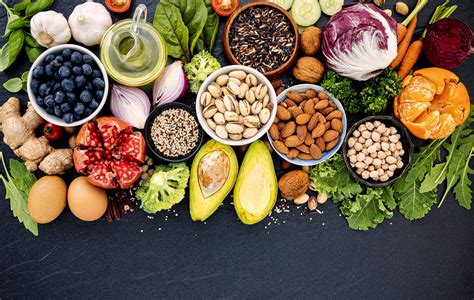
Embrace These for Peak Performance:
- Berries: Rich in antioxidants, good for brain health.
- Leafy Greens: Packed with vitamins, minerals, and antioxidants.
- Fatty Fish: Excellent source of omega-3s.
- Nuts and Seeds: Healthy fats, protein, fiber, and micronutrients.
- Avocados: Healthy fats, fiber, vitamins.
- Eggs: Complete protein, choline (for brain health).
- Whole Grains: Sustained energy from complex carbs.
Limit These to Avoid Energy Dips and Brain Fog:
- Refined Sugars: Cause rapid energy spikes and crashes.
- Processed Foods: Lack nutrients, often high in unhealthy fats and sugars.
- Excessive Caffeine: Can lead to jitters and sleep disruption, paradoxically reducing energy.
- Trans Fats: Harmful to heart and brain health.

Conclusion: A Sustainable Path to Daily Vitality
Optimizing your daily nutrition for peak energy and mental clarity is an ongoing journey, not a destination. It involves consistent, conscious choices that prioritize whole, nutrient-dense foods, adequate hydration, and smart meal timing. By focusing on complex carbohydrates, lean proteins, healthy fats, and a rich array of micronutrients, you can build a dietary foundation that supports not just physical vigor but also a sharp, focused, and resilient mind. Start small, make gradual changes, and observe how these nutritional adjustments empower you to perform at your best, every single day.