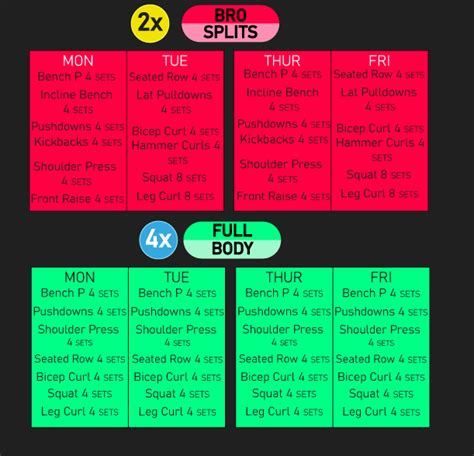



Break strength plateaus: Optimal strategies for peak male muscle growth?

Conquering the Plateau: Advanced Strategies for Male Muscle Growth
Every dedicated lifter eventually encounters the dreaded strength plateau – a frustrating period where progress grinds to a halt despite consistent effort. For men striving for peak muscle growth, breaking through these barriers is crucial for continued development. It signals that your body has adapted to your current training stimulus, and it’s time to shake things up.
This article delves into optimal, science-backed strategies to reignite your gains, challenge your physique, and unlock new levels of strength and hypertrophy.

Understanding the ‘Why’ Behind Stagnation
Plateaus aren’t a sign of failure; they’re a natural part of the adaptation process. Your body is incredibly efficient and will only grow as much as it absolutely needs to in response to stress. When the stress (your workout) becomes routine, the body no longer perceives a need to adapt further. Common culprits include:
- Insufficient progressive overload
- Lack of training variety
- Inadequate nutrition or caloric intake
- Poor recovery (sleep, stress management)
- Over-training
Recognizing these factors is the first step toward devising an effective counter-strategy.
Rethinking Progressive Overload: Beyond Just Adding Weight
The cornerstone of muscle growth is progressive overload – continually increasing the demands placed on your muscles. While adding more weight is the most common method, it’s not the only one. When direct weight progression stalls, consider these variations:
- Increased Reps or Sets: Maintain the same weight but aim for more repetitions or an extra set.
- Reduced Rest Intervals: Performing the same work in less time increases intensity.
- Time Under Tension (TUT): Slow down eccentric (lowering) phases or incorporate pauses to keep muscles engaged longer.
- Increased Training Frequency: Hitting a muscle group more often, allowing for more weekly volume.
- Improved Form: Lifting the same weight with stricter, more controlled form can actually make it harder and more effective.
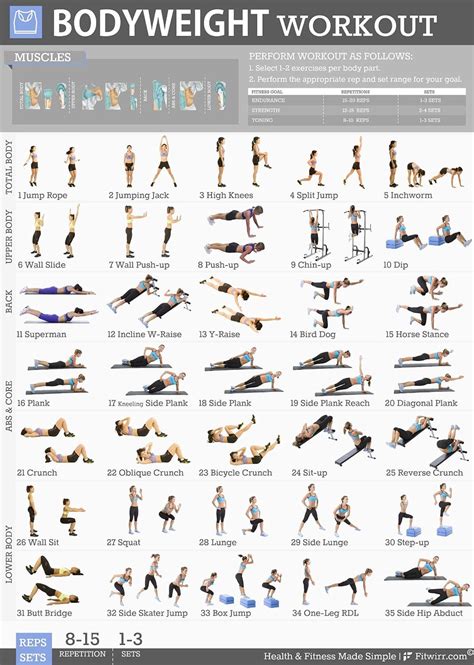
Advanced Training Modalities to Shatter Limits
When traditional progressive overload hits a wall, integrating advanced techniques can provide the novel stimulus needed for growth. However, these should be used judiciously, as they place significant stress on the body and require proper recovery.
Drop Sets
Perform a set to failure, immediately reduce the weight by 20-30%, and continue for another set to failure. Repeat this 1-2 more times. This technique flushes the muscle with blood and recruits more muscle fibers.
Rest-Pause Training
Choose a weight you can lift for 4-6 reps. Perform the first set to near failure, rack the weight, rest for 10-20 seconds, perform another 1-2 reps, rest again, and complete a final 1-2 reps. This allows you to accumulate more reps with a heavy weight.
Supersets & Giant Sets
Supersets involve performing two exercises back-to-back with no rest in between. Giant sets involve three or more. These can be antagonist (e.g., biceps/triceps) or for the same muscle group (compound/isolation) to drastically increase intensity and metabolic stress.
Periodization
Instead of randomly changing your workouts, periodization involves systematically varying training volume, intensity, and exercise selection over specific cycles (e.g., weeks or months). This prevents adaptation, optimizes performance, and reduces the risk of overtraining. Undulating periodization (varying daily or weekly) can be particularly effective for breaking plateaus.
Strategic Deloads
Sometimes, the best way to break a plateau is to step back. A deload week involves significantly reducing your training volume and/or intensity (e.g., 50-70% of usual). This allows your central nervous system and muscles to fully recover, often leading to renewed strength and growth upon returning to full training.

Fueling Peak Growth: Nutritional Imperatives
Optimal training won’t yield results without proper fuel. Nutrition plays a paramount role in overcoming plateaus.
- Caloric Surplus: For muscle growth, you MUST be in a caloric surplus. Estimate your maintenance calories and add 300-500 calories per day to support anabolism.
- Protein Power: Aim for 1.6-2.2 grams of protein per kilogram of body weight daily. This provides the amino acids essential for muscle repair and synthesis.
- Smart Carbs & Fats: Carbohydrates fuel your workouts and replenish glycogen stores, while healthy fats are crucial for hormone production and overall health. Prioritize complex carbs and unsaturated fats.
- Hydration: Often overlooked, adequate water intake is vital for nutrient transport, joint lubrication, and overall bodily function. Aim for at least 3-4 liters daily.

The Unseen Gains: Recovery and Lifestyle
Your muscles don’t grow in the gym; they grow during recovery. Neglecting this aspect is a guaranteed way to hit and stay on a plateau.
- Prioritize Sleep: Aim for 7-9 hours of quality sleep per night. This is when your body releases growth hormone and repairs tissues.
- Manage Stress: Chronic stress elevates cortisol levels, which can hinder muscle growth and promote fat storage. Incorporate stress-reducing activities like meditation, yoga, or hobbies.
- Active Recovery: Light activities like walking, stretching, or foam rolling can improve blood flow and aid recovery without adding significant stress.

Conclusion: Consistency and Smart Adaptation
Breaking strength plateaus and achieving peak male muscle growth is not about finding one magic bullet, but rather a holistic approach that integrates intelligent training, precise nutrition, and diligent recovery. By systematically varying your progressive overload, strategically employing advanced training techniques, fueling your body correctly, and prioritizing rest, you can provide the constant novel stimulus your body needs to adapt, grow, and ultimately shatter your previous limits. Listen to your body, be consistent, and enjoy the journey of continuous improvement.