





What diet & lifestyle optimize testosterone for male performance & vitality?

The Foundation of Male Vitality: Understanding Testosterone
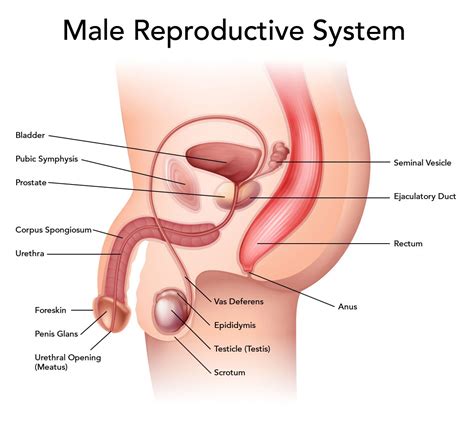
Testosterone, often hailed as the cornerstone of male health, plays a pivotal role far beyond just sex drive. It influences muscle mass, bone density, mood, energy levels, cognitive function, and even cardiovascular health. Optimal testosterone levels are synonymous with peak male performance and vitality, yet many men experience declines due to modern diets and sedentary lifestyles.
While a gradual decrease in testosterone is a natural part of aging, environmental factors, chronic stress, poor nutrition, and lack of sleep can accelerate this decline, leading to symptoms like fatigue, reduced libido, difficulty building muscle, and mood disturbances. The good news is that numerous diet and lifestyle changes can significantly impact your testosterone levels naturally, without the need for synthetic interventions.
Dietary Pillars for Testosterone Optimization
Nutrition is a powerful lever for hormone regulation. What you eat directly impacts your body’s ability to produce testosterone. Focusing on nutrient-dense, whole foods while limiting processed items is crucial.
1. Embrace Healthy Fats
Dietary fats, particularly monounsaturated and saturated fats, are essential for testosterone production as cholesterol is a precursor to steroid hormones. Don’t fear healthy fats; embrace them!
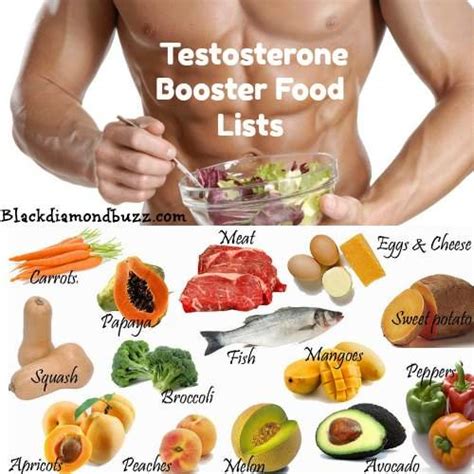
- Sources: Avocados, olive oil, nuts (almonds, walnuts), seeds (chia, flax), fatty fish (salmon, mackerel), organic eggs, coconut oil, grass-fed butter.
2. Prioritize Quality Protein
Adequate protein intake supports muscle synthesis and recovery, both indirectly linked to hormonal health. Aim for a balanced intake throughout the day.
- Sources: Lean meats (chicken, turkey, grass-fed beef), fish, eggs, dairy, legumes, and plant-based protein sources like quinoa and lentils.
3. Micronutrient Powerhouses: Zinc, Vitamin D, and Magnesium
Deficiencies in specific vitamins and minerals are strongly linked to lower testosterone.
- Zinc: Crucial for testosterone synthesis and maintaining healthy sperm count. Found in oysters, red meat, poultry, beans, and nuts.
- Vitamin D: More a hormone than a vitamin, Vitamin D receptor sites are found on testosterone-producing cells. Found in fatty fish, fortified foods, and primarily produced by sun exposure.
- Magnesium: Plays a role in countless bodily functions, including hormone regulation. Found in leafy greens, nuts, seeds, and whole grains.
4. Limit Processed Foods, Sugars, and Alcohol
These culprits can wreak havoc on your hormonal balance. High sugar intake leads to insulin resistance, which can suppress testosterone. Excessive alcohol consumption is also known to impair testicular function.
Lifestyle Strategies for Enhanced Vitality
Beyond the plate, daily habits significantly influence your hormonal landscape.
1. Regular, Intense Exercise
Both strength training and high-intensity interval training (HIIT) have been shown to boost testosterone levels. Focus on compound movements that engage large muscle groups.
- Strength Training: Squats, deadlifts, bench presses, rows.
- HIIT: Short bursts of intense activity followed by brief recovery periods.

2. Prioritize Quality Sleep
Sleep deprivation is a major testosterone killer. The majority of your daily testosterone is produced during sleep, particularly during REM stages. Aim for 7-9 hours of uninterrupted sleep per night.
- Tips: Maintain a consistent sleep schedule, create a dark and cool bedroom environment, avoid screens before bed.
3. Master Stress Management
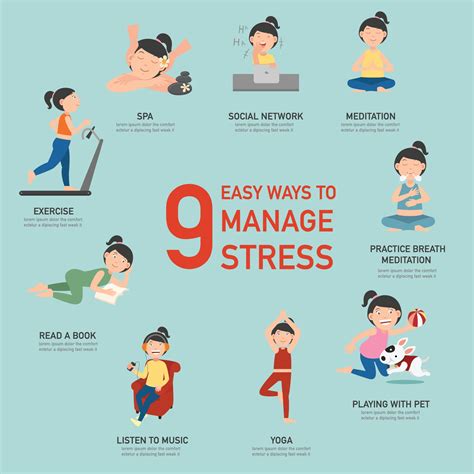
Chronic stress elevates cortisol, a hormone that directly antagonizes testosterone. Finding effective ways to manage stress is paramount.
- Techniques: Meditation, deep breathing exercises, yoga, spending time in nature, hobbies, mindfulness practices.
4. Optimize Sun Exposure
Natural sunlight helps your body produce Vitamin D, a critical precursor for testosterone. Aim for regular, safe sun exposure when possible.
5. Avoid Endocrine Disruptors
Certain chemicals found in plastics (BPA, phthalates), pesticides, and personal care products can mimic hormones and disrupt natural testosterone production. Choose organic foods and natural products where possible.
Conclusion: A Holistic Approach to Sustained Performance
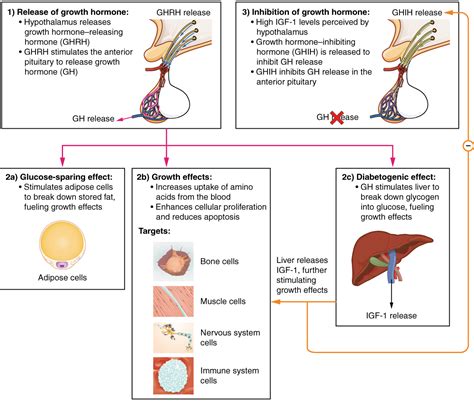
Optimizing testosterone for male performance and vitality isn’t about a magic pill; it’s about adopting a holistic approach that integrates mindful eating with intelligent lifestyle choices. By focusing on a nutrient-rich diet, engaging in regular exercise, prioritizing quality sleep, effectively managing stress, and minimizing exposure to environmental toxins, men can naturally support their testosterone production. Consistency in these areas will not only lead to improved hormonal balance but also enhance overall well-being, energy, and a sustained sense of vitality.