




How can nutrition prevent mid-day energy crashes for peak men’s performance?

Conquering the Mid-Day Slump: A Nutritional Blueprint for Men
For many men, the mid-day energy crash is an unwelcome intruder, derailing productivity, focus, and overall performance. That sudden drop in energy, often accompanied by brain fog and irritability, isn’t just a matter of willpower; it’s frequently a direct consequence of suboptimal nutrition. Understanding how our food choices impact blood sugar levels, hormone balance, and cellular energy production is the first step towards sustained vitality and peak performance throughout the day.

The Science Behind the Slump: What Causes Energy Dips?
Mid-day energy crashes are often linked to fluctuations in blood glucose levels. A meal high in refined carbohydrates and sugars can lead to a rapid spike in blood sugar, followed by an equally rapid crash as the body releases insulin to bring levels down. This roller-coaster effect leaves you feeling sluggish and drained. Other factors include:
- Poor Meal Timing: Skipping breakfast or going too long between meals can deplete glycogen stores.
- Dehydration: Even mild dehydration can significantly impair cognitive function and energy levels.
- Nutrient Deficiencies: Lack of essential vitamins and minerals (like B vitamins, magnesium, or iron) crucial for energy metabolism.
- Inadequate Protein and Healthy Fats: These macronutrients are vital for satiety and stable energy release.
Foundational Nutritional Strategies for Sustained Energy
Preventing the mid-day crash isn’t about quick fixes; it’s about building consistent, smart nutritional habits. Here’s how to construct an energy-sustaining diet:
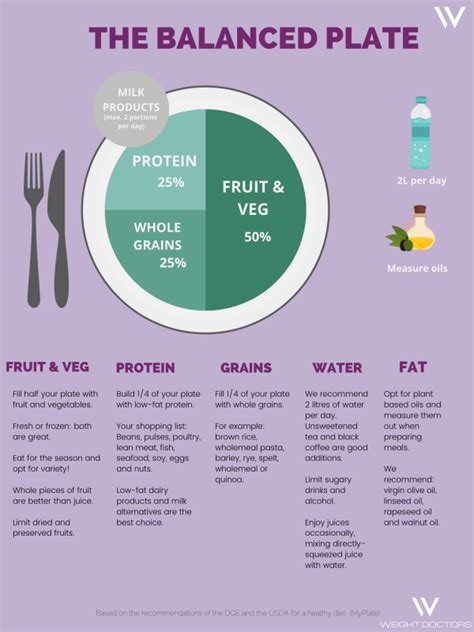
1. Balance Your Macronutrients (Protein, Complex Carbs, Healthy Fats)
Every meal should be a balanced affair, designed to provide steady energy. This means including:
- Protein: Essential for satiety and a sustained release of amino acids, which stabilize blood sugar. Aim for lean sources like chicken, fish, eggs, legumes, or Greek yogurt.
- Complex Carbohydrates: These break down slowly, providing a gradual and consistent supply of glucose to your brain and muscles. Think whole grains (oats, brown rice, quinoa), sweet potatoes, and fibrous vegetables. Avoid refined carbs like white bread and sugary cereals.
- Healthy Fats: Crucial for hormone production, satiety, and slowing down the absorption of carbohydrates. Incorporate avocados, nuts, seeds, olive oil, and fatty fish.
2. Prioritize Breakfast: The Energy Kick-off
Starting your day with a nutrient-dense breakfast sets the stage for stable energy. Opt for a meal rich in protein and complex carbs, such as oatmeal with berries and nuts, scrambled eggs with whole-wheat toast and avocado, or a protein smoothie.
3. Strategic Snacking: Bridging the Gaps
If there’s a long gap between meals, a smart snack can prevent energy dips. Choose snacks that combine protein and fiber, like an apple with almond butter, a handful of nuts, Greek yogurt, or vegetable sticks with hummus.
4. Hydration is Non-Negotiable
Dehydration is a silent energy killer. Make sure you’re drinking water consistently throughout the day. Keep a water bottle handy and aim for at least 8-10 glasses daily, more if you’re active. Herbal teas and infused water are also good options.

Micronutrients and Their Role in Energy Metabolism
Beyond macronutrients, specific vitamins and minerals are critical for converting food into energy:
- B Vitamins: A complex of B vitamins (B1, B2, B3, B5, B6, B7, B9, B12) are essential for cellular energy production. Find them in whole grains, meat, eggs, dairy, and leafy greens.
- Magnesium: Involved in over 300 enzymatic reactions, including ATP (energy currency) production. Rich sources include dark leafy greens, nuts, seeds, legumes, and whole grains.
- Iron: Crucial for oxygen transport. Iron deficiency can lead to fatigue and weakness. Include lean red meat, poultry, fish, beans, and fortified cereals in your diet.
- Vitamin D: While known for bone health, optimal Vitamin D levels are also linked to energy and mood. Sunlight exposure and fatty fish are primary sources.

Practical Tips for Sustained Energy Every Day
- Plan Your Meals: Meal prepping on the weekend can ensure you have healthy options readily available during busy weekdays.
- Listen to Your Body: Pay attention to how different foods affect your energy levels. Adjust your diet based on what makes you feel your best.
- Limit Processed Foods and Sugary Drinks: These offer quick energy spikes followed by inevitable crashes.
- Combine Foods Smartly: Always pair carbohydrates with protein or healthy fats to slow digestion and stabilize blood sugar.
- Avoid Overeating: Large, heavy meals can divert energy to digestion, leading to post-meal sluggishness.
Preventing mid-day energy crashes is a journey of conscious nutritional choices. By consistently fueling your body with balanced meals, staying hydrated, and incorporating vital micronutrients, you can stabilize blood sugar, optimize energy production, and sustain peak mental and physical performance throughout your day. This isn’t just about avoiding a slump; it’s about unlocking your full potential.