



How can men naturally optimize testosterone for peak vitality & performance?

Understanding Testosterone’s Role in Men’s Health
Testosterone, often hailed as the cornerstone of male vitality, plays a crucial role far beyond sex drive. This powerful hormone influences everything from muscle mass and bone density to mood, energy levels, and cognitive function. As men age, testosterone levels naturally decline, a process that can lead to symptoms like fatigue, decreased libido, weight gain, and reduced muscle strength. While medical interventions exist, many men seek natural methods to optimize their testosterone, aiming to reclaim peak vitality and performance without relying on synthetic solutions.
Optimizing testosterone naturally involves a holistic approach, focusing on key lifestyle factors that profoundly impact hormonal balance. This article will delve into actionable strategies across diet, exercise, sleep, and stress management, empowering men to enhance their natural testosterone production and improve their overall quality of life.

Fueling Testosterone: The Power of Nutrition
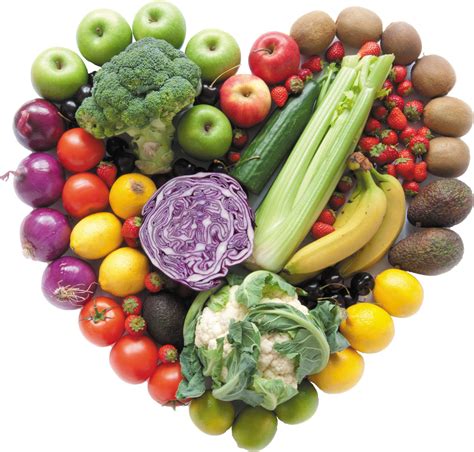
Your diet is a cornerstone of hormonal health. What you eat directly impacts your body’s ability to produce testosterone. Focusing on whole, unprocessed foods is paramount.
Embrace Healthy Fats
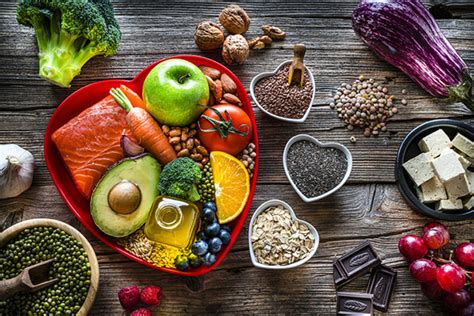
Dietary fats are essential for hormone production, particularly cholesterol, which is a precursor to testosterone. Incorporate monounsaturated and polyunsaturated fats from sources like avocados, olive oil, nuts (almonds, walnuts), seeds (chia, flax), and fatty fish (salmon, mackerel).
Prioritize Protein
Adequate protein intake supports muscle synthesis and overall metabolic health, indirectly aiding testosterone production. Opt for lean protein sources such as chicken, turkey, lean beef, eggs, and legumes. Aim for around 0.7-1 gram of protein per pound of body weight daily, depending on your activity level.
Crucial Micronutrients
- Vitamin D: Often called the ‘sunshine vitamin,’ Vitamin D is a pro-hormone linked to testosterone production. Sun exposure is the best source, but supplementation or fortified foods can help.
- Zinc: This mineral is vital for numerous bodily functions, including testosterone synthesis. Oysters, red meat, poultry, and beans are excellent sources.
- Magnesium: Important for muscle function, energy production, and sleep, magnesium also plays a role in testosterone levels. Found in dark leafy greens, nuts, seeds, and whole grains.
Avoid Testosterone Saboteurs
Minimize processed foods, excessive sugar, trans fats, and excessive alcohol intake. These can disrupt hormone balance, increase inflammation, and contribute to weight gain, all detrimental to testosterone levels.
Exercise for Hormonal Power: Move Your Body Right
Physical activity, especially certain types of exercise, is a potent natural testosterone booster.
Strength Training is King
Resistance training, particularly compound movements like squats, deadlifts, bench presses, and rows, has been consistently shown to elevate testosterone levels. Focus on heavy lifting with proper form and progressive overload. Aim for 3-4 strength training sessions per week.
High-Intensity Interval Training (HIIT)
Short bursts of intense exercise followed by brief recovery periods can also stimulate testosterone production and improve overall fitness. HIIT workouts are efficient and effective, but should be balanced with strength training.
Avoid Overtraining
While exercise is beneficial, excessive or chronic endurance training without adequate recovery can actually suppress testosterone and increase cortisol (stress hormone) levels. Listen to your body and ensure sufficient rest.

The Rest Factor: Sleep and Stress Management
Often overlooked, adequate sleep and effective stress management are critical for maintaining healthy testosterone levels.
Prioritize Quality Sleep
Most testosterone production occurs during sleep, particularly during the REM cycles. Chronic sleep deprivation (less than 7-9 hours per night) can significantly lower testosterone. Establish a consistent sleep schedule, create a dark and cool sleep environment, and avoid screens before bed to optimize sleep quality.
Master Stress Reduction
Chronic stress leads to elevated cortisol levels. High cortisol is inversely related to testosterone; as cortisol rises, testosterone tends to fall. Incorporate stress-reducing practices into your daily routine: meditation, yoga, deep breathing exercises, spending time in nature, or engaging in hobbies you enjoy.

Beyond the Basics: Lifestyle Tweaks
Several other lifestyle factors can contribute to optimal testosterone production.
- Maintain a Healthy Weight: Obesity, especially abdominal fat, is strongly linked to lower testosterone. Losing excess weight can significantly improve hormone levels.
- Limit Exposure to Endocrine Disruptors: Chemicals found in plastics (BPA), pesticides, and certain personal care products can mimic or block hormones, negatively impacting testosterone. Choose glass or stainless steel containers and opt for natural products where possible.
- Sunlight Exposure: Regular, safe sun exposure helps your body produce Vitamin D, which, as mentioned, is crucial for testosterone.
- Reduce Alcohol Consumption: Excessive alcohol intake can directly impair testosterone production and metabolism.
Conclusion: A Holistic Path to Peak Vitality
Optimizing testosterone naturally isn’t about quick fixes; it’s about adopting a sustainable, holistic lifestyle. By consistently prioritizing nutrient-dense foods, engaging in effective exercise, ensuring quality sleep, and managing stress, men can significantly enhance their natural testosterone production. This comprehensive approach not only supports healthy hormone levels but also contributes to improved energy, mood, muscle mass, and overall well-being, paving the way for peak vitality and performance in all aspects of life. While these strategies are highly effective, always consult with a healthcare professional before making significant changes to your diet or exercise routine, especially if you have underlying health conditions.