



What are the most efficient workout strategies to build functional strength & peak performance?

Achieving true functional strength and peak performance isn’t just about lifting heavy or running fast; it’s about optimizing your body’s ability to move efficiently, powerfully, and safely in any situation. This article delves into the most efficient workout strategies designed to build a robust, resilient physique capable of excelling in both daily tasks and demanding athletic endeavors.
Understanding Functional Strength and Peak Performance
Functional strength refers to strength that directly applies to real-world movements and activities. It emphasizes multi-joint, multi-planar exercises that mimic how your body naturally moves, rather than isolated muscle work. Think about picking up a heavy box, climbing stairs, or performing complex sports movements – these all require functional strength. It’s about stability, mobility, coordination, and power working together.
Peak performance, on the other hand, is the optimal expression of your physical capabilities. This involves not just strength, but also speed, agility, endurance, flexibility, and mental fortitude. Efficient strategies aim to improve all these facets concurrently, creating a well-rounded athlete or a highly capable individual in their everyday life.
Core Principles for Efficient Training
Compound Movements are King
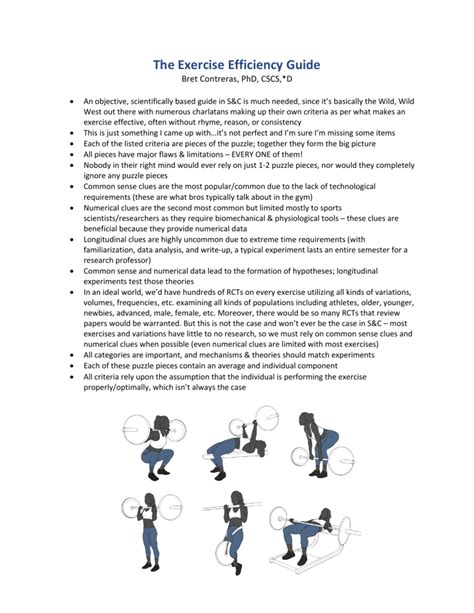
The cornerstone of building functional strength and performance is prioritizing compound exercises. These movements engage multiple joints and muscle groups simultaneously, closely mimicking real-world activities. Think squats, deadlifts, presses, rows, and cleans. They are incredibly efficient because they stimulate more muscle fibers, elicit a greater hormonal response, and improve intermuscular coordination more effectively than isolation exercises.

Progressive Overload: The Non-Negotiable
For any strength or performance gain, the principle of progressive overload must be applied. This means consistently increasing the demand on your muscles over time. This can be achieved by increasing:
- Weight/Resistance
- Repetitions (while maintaining good form)
- Sets
- Reducing rest times
- Increasing exercise difficulty (e.g., single-leg variations)
- Improving technique
Without progressive overload, your body has no reason to adapt and get stronger.
Periodization and Deloading
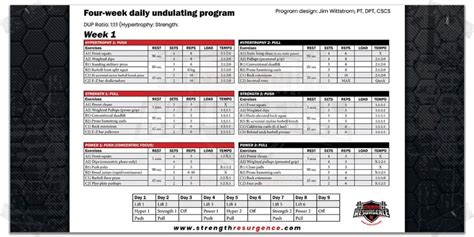
To sustain progress and prevent burnout or injury, structured training cycles (periodization) are crucial. This involves varying the intensity and volume of your training over specific periods. Incorporating deload weeks – periods of reduced volume or intensity – allows your body to recover, adapt, and come back stronger. This strategic ebb and flow ensures long-term gains.
Unilateral Training for Balance and Stability
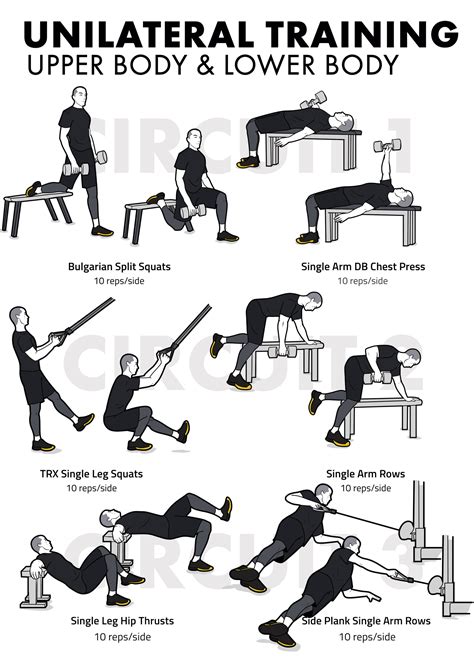
Most real-world movements are unilateral, meaning they involve one limb working independently or with greater emphasis than the other (e.g., walking, running, throwing). Incorporating unilateral exercises like lunges, single-leg squats, step-ups, and single-arm rows dramatically improves balance, core stability, and addresses muscular imbalances, which are vital for functional strength and injury prevention.
Key Workout Strategies and Modalities
Strength Training with Free Weights
Barbells, dumbbells, and kettlebells are superior tools for functional strength. They demand greater stabilization from your muscles compared to machines. Exercises like overhead presses, cleans, snatches, and Turkish get-ups build strength, power, and coordination across multiple planes of motion.
Bodyweight and Gymnastic Strength
Mastering your own body weight is the ultimate form of functional strength. Push-ups, pull-ups, dips, handstands, and various plank variations build incredible relative strength, core stability, and body awareness – essential for peak performance.
Plyometrics and Power Training
For peak performance, particularly in sports, developing explosive power is critical. Plyometric exercises (e.g., box jumps, broad jumps, clap push-ups) train your muscles to produce maximum force in short bursts, improving speed, agility, and reactivity.

Metabolic Conditioning (MetCon)
MetCon sessions combine elements of strength and cardiovascular training into intense, short workouts. Think circuits involving compound movements with minimal rest. This strategy boosts cardiovascular endurance, muscular endurance, and fat loss, all while maintaining or building strength, making them incredibly efficient for overall performance.
Mobility and Stability Work
Often overlooked, dedicated mobility and stability work is non-negotiable for functional strength and peak performance. Incorporate dynamic stretching, foam rolling, and specific exercises (e.g., bird-dog, glute bridges, shoulder dislocates) to improve joint range of motion and stabilize key areas like the hips, core, and shoulders. This prevents injury and allows for better execution of compound movements.

Program Design and Implementation Tips
- Prioritize Quality Over Quantity: Focus on perfect form for every repetition. Sloppy reps build bad habits and lead to injury.
- Warm-Up and Cool-Down: Always dedicate time to dynamic warm-ups and static stretching/foam rolling post-workout.
- Listen to Your Body: Rest when needed, modify exercises, and don’t push through sharp pain. Overtraining is counterproductive.
- Vary Your Training: Regularly change exercises, rep schemes, and workout structures to prevent plateaus and keep your body adapting.
- Incorporate Rest and Recovery: Optimal recovery is where growth happens. Prioritize sleep, hydration, and active recovery.
The Role of Recovery and Nutrition
No workout strategy, however efficient, can compensate for poor recovery and nutrition. Adequate sleep (7-9 hours), proper hydration, and a balanced diet rich in whole foods, lean proteins, healthy fats, and complex carbohydrates are fundamental. These elements provide the building blocks and energy necessary for muscle repair, growth, and overall performance optimization.
Conclusion
Building functional strength and achieving peak performance requires a holistic and intelligent approach to training. By focusing on compound movements, progressive overload, unilateral exercises, power training, and integrating metabolic conditioning alongside dedicated mobility work, you can create an incredibly efficient and effective workout strategy. Remember that consistency, proper recovery, and smart nutrition are the pillars that support all your hard work, transforming your physical potential into real-world capability.