



How to prevent razor burn & ingrowns for a flawless, peak performance shave?

Understanding the Enemies: Razor Burn and Ingrown Hairs
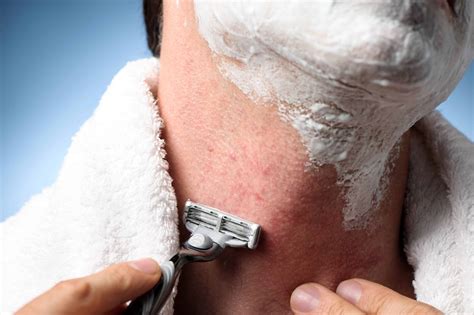
Achieving a consistently smooth and comfortable shave can feel like an elusive goal for many. The unwelcome aftermath of shaving — stinging razor burn and irritating ingrown hairs — can derail even the most meticulously planned grooming routine. These common issues arise when hair follicles are irritated, or hair curls back into the skin instead of growing out, leading to redness, bumps, and discomfort. But fear not, a flawless, peak-performance shave is entirely within reach with the right approach and a few strategic adjustments to your routine.

Step 1: Meticulous Preparation for Optimal Skin
The secret to preventing post-shave irritation begins long before the razor even touches your skin. Proper preparation softens the hair, opens pores, and creates a smooth canvas, significantly reducing the risk of razor burn and ingrowns.
Cleanse and Exfoliate
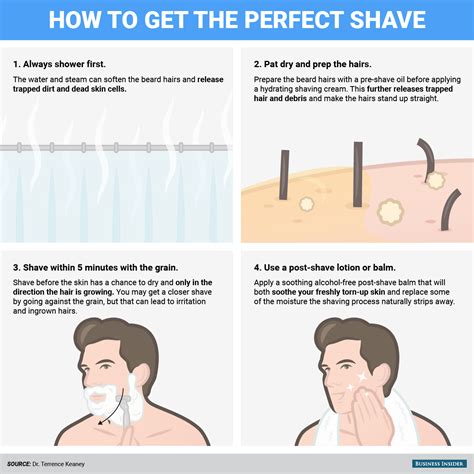
Start with a warm shower or by washing your face with warm water. This helps open pores and soften the hair. Follow up with a gentle facial cleanser to remove dirt, oil, and dead skin cells. Once or twice a week, incorporate a mild exfoliant to slough off dead skin, which can trap hairs and lead to ingrowns. Look for products containing salicylic acid or glycolic acid for effective but gentle exfoliation.
Warm Water and Hydration
After cleansing, apply a warm, damp towel to your face for a minute or two. This further softens the hair and prepares it for shaving. For an extra layer of protection and glide, consider using a pre-shave oil. This creates a barrier between your skin and the blade, minimizing friction and irritation.
Step 2: The Right Arsenal – Tools for a Superior Shave
Even with perfect preparation, subpar tools can sabotage your efforts. Investing in quality products is crucial for a comfortable and effective shave.
Choose Your Weapon Wisely: The Razor Blade
The type and sharpness of your razor are paramount. A dull blade is the primary culprit behind razor burn, as it drags and pulls at the hair rather than cutting it cleanly. Always use a sharp, clean blade. For those prone to ingrowns, a single-blade safety razor or a high-quality multi-blade razor designed for sensitive skin can be beneficial. Change your blade every 5-7 shaves, or sooner if you feel any tugging or discomfort.
Elevate Your Lather: Quality Shave Cream or Gel
Forget the cheap aerosol cans. A rich, moisturizing shave cream, gel, or soap creates a luxurious lather that lifts the hairs, provides ample lubrication, and cushions the skin. Ingredients like glycerin, aloe vera, and shea butter are excellent for hydration and protection. Apply with a shaving brush for an even, thick lather that helps further lift the hairs and exfoliate the skin.

Step 3: Masterful Technique for a Flawless Finish
Even the best tools won’t help if your technique is flawed. Precision and gentleness are key.
Shave with the Grain, Not Against It
Always shave with the grain (in the direction of hair growth) for your first pass. This is the golden rule for preventing razor burn and ingrowns. Shaving against the grain pulls the hair taut, allowing it to retract beneath the skin when cut, increasing the likelihood of ingrown hairs.
Light Strokes and Frequent Rinsing
Use short, light, controlled strokes. Let the weight of the razor do the work; never apply excessive pressure. Rinse your blade frequently under warm water to clear away hair and shaving cream, ensuring a clean cut with each pass.
Avoid Pressure and Re-Lather When Needed
Resist the urge to go over the same spot multiple times without re-lathering. If you need a closer shave, re-lather and make a second pass across the grain, or carefully against it, but only if your skin can tolerate it without irritation.

Step 4: The Crucial Post-Shave Recovery
What you do immediately after shaving is just as important as your preparation and technique.
Cool Rinse and Soothe
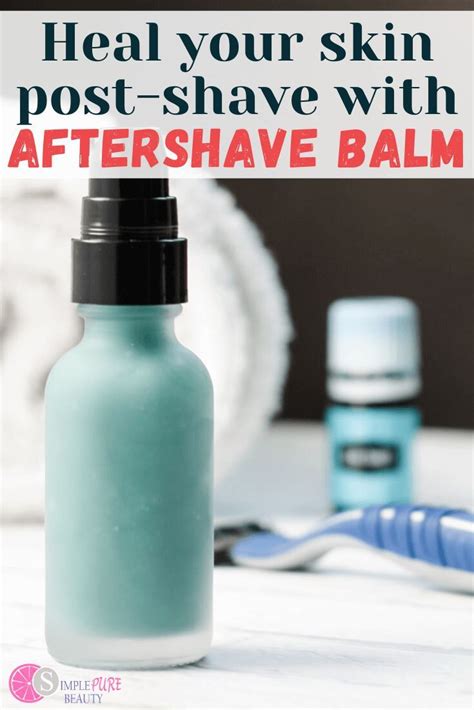
After shaving, rinse your face thoroughly with cool water. This helps close pores and calms the skin. Gently pat your face dry with a clean, soft towel. Follow up with an alcohol-free aftershave balm. Alcohol-based aftershaves can dry out and irritate the skin, exacerbating razor burn. Look for balms with soothing ingredients like aloe vera, witch hazel, chamomile, or allantoin.
Moisturize and Protect
Once the aftershave has absorbed, apply a non-comedogenic moisturizer to keep your skin hydrated and supple. If you are prone to ingrowns, consider using a specialized ingrown hair serum or treatment that contains salicylic acid or glycolic acid to keep pores clear and encourage proper hair growth.
Step 5: Ongoing Maintenance for Lasting Smoothness
Preventing razor burn and ingrowns is an ongoing commitment, not a one-time fix.
Regular Blade Replacement
Stick to a schedule for changing your razor blades. A fresh blade is your best defense against irritation. If you feel any pulling or discomfort, replace it immediately.
Consistent Exfoliation and Hydration
Continue your gentle exfoliation routine a few times a week, even on non-shaving days, to prevent dead skin cells from trapping new hairs. Keep your skin consistently hydrated with a good moisturizer.

Embrace the Art of a Perfect Shave
By integrating these steps into your grooming regimen, you’ll transform shaving from a chore into a ritual. Patience, proper tools, and a meticulous technique are your allies in the battle against razor burn and ingrown hairs. Embrace this refined approach, and you’ll consistently achieve a flawless, comfortable, and peak-performance shave that leaves your skin feeling as good as it looks.